
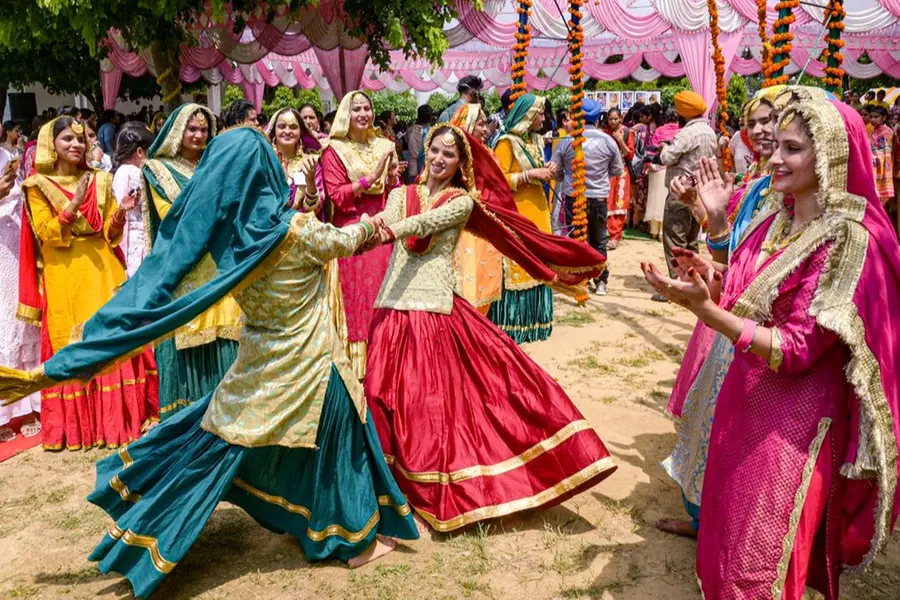
Kathmandu [Nepal]: Draped in vibrant red sarees and adorned with traditional jewellery, thousands of Hindu women in Nepal and India gather each year to celebrate Hartalika Teej. This unique festival, marked by fasting, singing, and dancing, is a celebration of devotion, unity, and the shared hopes for a prosperous life. But what exactly is Hartalika Teej, and why does it hold such importance for Hindu women in Nepal and India?
Hartalika Teej: A Festival rooted in Hindu Mythology
Hartalika Teej is celebrated on the third day of the dark half of the lunar month in the Nepali month of Bhadra, usually in late August or early September. The festival is deeply connected to the Hindu myth of Goddess Parvati and Lord Shiva. According to legend, Parvati, the daughter of the Himalayas, was determined to marry Lord Shiva. At the age of eight, she began fasting and praying to win his heart.
Fearing she would be forced to marry Lord Vishnu, Parvati's maids hid her in a forest. On this day, known as Hartalika Teej, Parvati’s dedication was rewarded when Lord Shiva agreed to marry her. This story, as told in the ancient 'Skanda Purana', has inspired Hindu women for generations to fast and pray during this festival, hoping for marital happiness and prosperity.
Why Hindu women in Nepal and India fast and pray during Hartalika Teej
Hartalika Teej is more than just a festival; it is a day of spiritual renewal and community support for Hindu women, both married and unmarried. In Nepal, thousands of women visit temples like Pashupatinath in Kathmandu to perform rituals, offer prayers, and seek blessings from Lord Shiva. They observe a strict fast, often abstaining from food and water, as a symbol of their devotion to the divine and their hopes for a harmonious married life.
Kopila Siwakoti, a devotee at Pashupatinath Temple, explained, “Goddess Parvati, when she was eight years old, kept a fast praying for God Shiva to marry her. Following that legend, women have fasted on this day for ages.”
The significance of singing and dancing during Hartalika Teej
Hartalika Teej is also a celebration of womanhood and resilience. After visiting the temples, women gather in public squares to sing traditional Teej songs and dance. These songs allow them to express their emotions, share stories of their struggles, and connect with each other. The songs, often a mix of pain and hope, highlight the collective strength and unity of women.
Gauri Ghimire, another devotee, highlighted the importance of this aspect of the festival: “The festival of Teej is a moment of celebration for all the women in society. On this day, all the women gather together, return home, share their pain and sorrows, dance, and cherish together.”
Rituals and traditions of Hartalika Teej: A symbol of good fortune
The day before Teej, known as 'Dar Khane Din', women enjoy a special feast called ‘Dar’ at their parental homes. This tradition symbolises the support and love of their families before they embark on their fast. On Teej, women dress in red sarees and adorn themselves with bangles, 'Pote' (a necklace made of glass beads), and 'Sindoor', all symbols of marital bliss and good fortune.
Throughout the day, women participate in various rituals, such as taking ritual baths, lighting lamps, and offering prayers to Lord Shiva. On the final day, called 'Rishi Panchami', women perform cleansing rituals, including bathing with 108 stems of 'Datiwan' (a sacred plant) and worshipping the 'Saptarishis' (seven sages). By completing these rituals, women seek to purify their bodies and souls, marking the end of their fast.
With ANI inputs
Published: 06 Sept 2024, 01:38 pm IST
Disclaimer: Kindly avoid objectionable, derogatory, unlawful and lewd comments, while responding to reports. Such comments are punishable under cyber laws. Please keep away from personal attacks. The opinions expressed here are the personal opinions of readers and not that of Mathrubhumi.
