
EV adoption in India offers opportunities for suppliers, but poses risks and challenges for the auto industry.
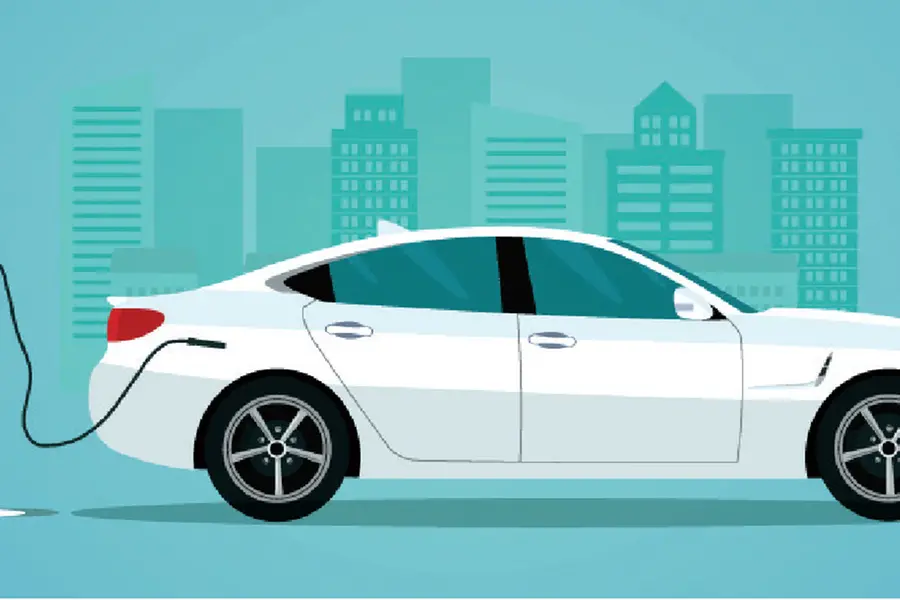
The ongoing transition to electric vehicles (EVs) is set to transform the auto component industry by increasing content per vehicle and unlocking new avenues for suppliers, according to a recent report by Ambit Capital.
While the rise of EVs poses a threat to manufacturers reliant on internal combustion engine (ICE) components, it opens up significant growth opportunities for those willing to diversify. The report states, "While EV disruption poses existential risk for the suppliers of ICE-dependent components, it opens up several opportunities for the component suppliers to provide a) EV components like li-ion batteries, traction motors, controllers, BMS etc."
Advancements in technology and increased demand
As EVs incorporate advanced technologies such as regenerative braking, advanced driver-assistance systems (ADAS), and smart cockpits, suppliers are expected to play a crucial role in the evolving automotive value chain. Moreover, the adoption of EV architecture will increase the demand for specific components, such as wiring harnesses, electronic control units (ECUs), and differential assemblies, which are expected to have greater content per vehicle compared to traditional ICE vehicles.
Growth in EV penetration in India
The EV adoption rate in India is projected to grow steadily in the coming years. Electric two-wheeler penetration is forecast to rise from 6.3% in FY25 to 21% by FY29. Similarly, passenger vehicle penetration is expected to increase from 2.6% to 10.4% during the same period. The electric three-wheeler sector, however, is anticipated to experience rapid growth, surging from 22.9% in FY25 to nearly 68% by FY29.
Challenges for the industry
Despite the promising growth, the report cautions that many EV components are currently imported, which may lead to intense competition in the early stages of the EV transition. Moreover, suppliers heavily reliant on engine and transmission components may face existential challenges.
The report also highlights three significant challenges for the auto components industry: the USMCA/tariff regime, economic weakness in the EU, and competition from Chinese players. Since India's auto component industry is heavily dependent on exports to the US and EU, these challenges could put financial pressure on suppliers in the near term.
Published: 05 May 2025, 09:29 am IST
Related Topics
Disclaimer: Kindly avoid objectionable, derogatory, unlawful and lewd comments, while responding to reports. Such comments are punishable under cyber laws. Please keep away from personal attacks. The opinions expressed here are the personal opinions of readers and not that of Mathrubhumi.
