
Ather Energy’s decision to open its fast-charging network to other electric two-wheelers has sparked widespread discussion online, pushing the brand into the spotlight.
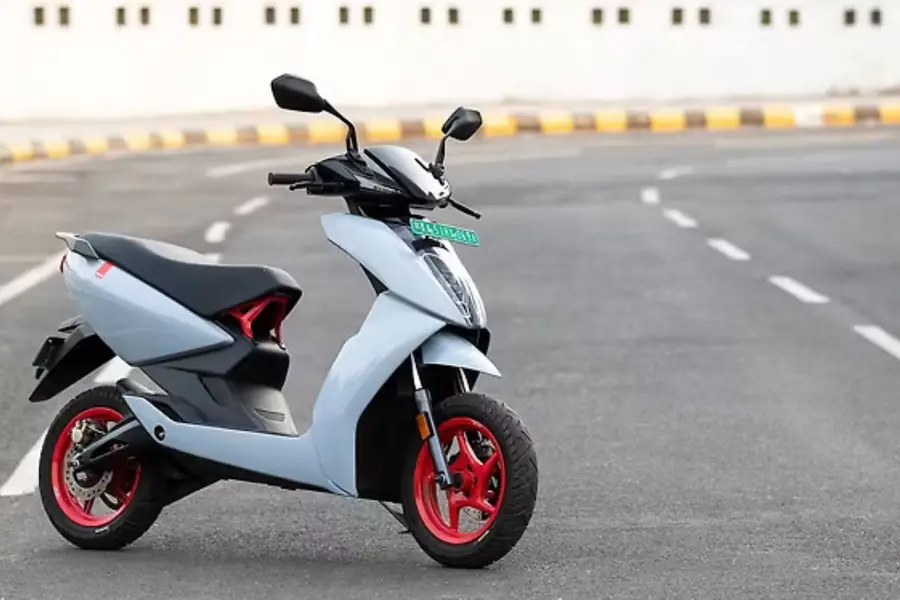
The name Ather is dominating online conversations this week following a major policy shift by Ather Energy—the company has officially expanded access to its fast-charging network beyond its own scooters.
The move marks a significant moment in India’s electric mobility journey and has become the key driver behind the brand’s sudden spike in digital attention.
Also Read

Ather’s fast-charging ecosystem, widely regarded as one of the most reliable in the country, was earlier restricted largely to Ather scooter owners. By opening the network to non-Ather electric two-wheelers, the Bengaluru-based EV manufacturer is positioning itself not just as a scooter brand, but as an EV infrastructure leader.
Industry observers say this shift aligns with the growing demand for interoperable charging solutions as EV adoption accelerates across India.
The decision has resonated strongly with EV users and enthusiasts online. Riders from competing brands have welcomed the move, calling it a step toward reducing range anxiety and improving real-world usability of electric two-wheelers.
Social media platforms, automotive forums, and EV discussion groups have been flooded with debates on whether this move could set a new industry standard.
Adding weight to the development is the sheer scale of Ather’s charging footprint. With thousands of fast chargers already operational across major cities and highways, opening the grid significantly boosts charging availability for the wider EV ecosystem.
Also read: Ola Electric to revolutionise vehicle servicing with same-day guarantee expansion
Analysts believe this could pressure other manufacturers to follow suit or invest faster in shared infrastructure. The timing of the move is also critical. As India pushes for higher EV penetration, charging access remains one of the biggest barriers for buyers.
Ather’s open-network approach directly addresses this challenge and strengthens its brand positioning ahead of intensifying competition in the electric two-wheeler space.
The surge in searches for “Ather” reflects how infrastructure-led decisions—rather than product launches alone—are increasingly shaping public interest. For Ather Energy, the strategy appears to be paying off, with the brand now at the centre of a broader conversation about the future of EV charging in India.
Published: 11 Jan 2026, 05:24 pm IST
Related Topics
Disclaimer: Kindly avoid objectionable, derogatory, unlawful and lewd comments, while responding to reports. Such comments are punishable under cyber laws. Please keep away from personal attacks. The opinions expressed here are the personal opinions of readers and not that of Mathrubhumi.