
Millions are sharing adorable images of the viral Borneo Pygmy elephant. But are they real? Here's what experts say about the AI-generated trend and the endangered species behind it.
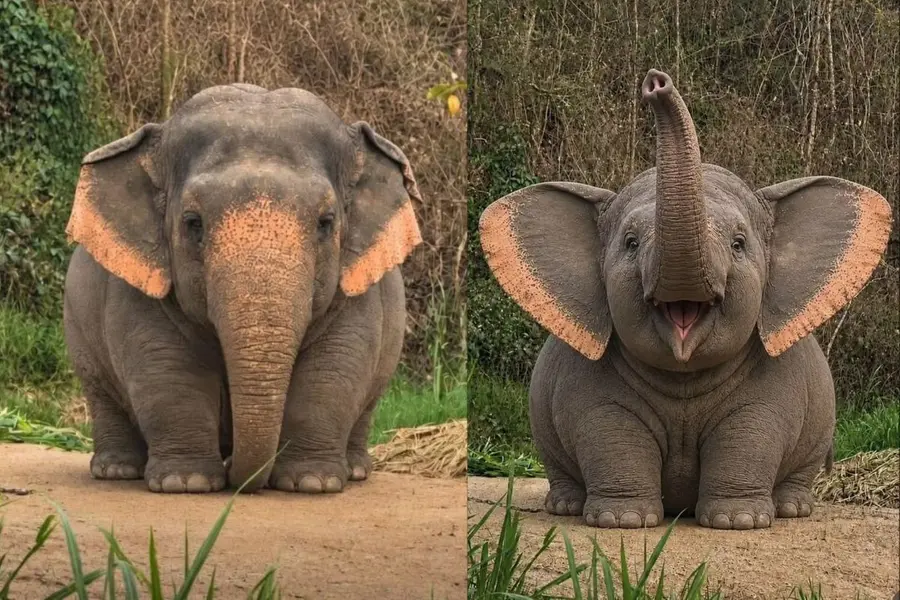
The adorable "Borneo Pygmy elephant" that has taken over social media feeds is only partially real. While the Borneo pygmy elephant is a genuine and endangered elephant species found in parts of Indonesia and Malaysia, many of the viral images currently circulating online are believed to be AI-generated or digitally manipulated.
The trend centres around pictures of an unusually round baby elephant with stubby legs, oversized ears and a plush-toy-like appearance. Popularly nicknamed "Motu" or "Golu" by internet users, the animal's exaggerated features have sparked widespread curiosity, with many users asking whether the viral elephant actually exists.
Wildlife experts, conservation organisations and social media users have pointed out that several of the most widely shared images show proportions and features that do not accurately match real Borneo pygmy elephants. Many of these viral pictures appear to have been created or enhanced using artificial intelligence tools, helping fuel the trend's rapid spread online.
That said, the Borneo pygmy elephant itself is very real. Also known as the Borneo elephant, it is the smallest subspecies of the Asian elephant and lives in northeastern Borneo. The species is known for its relatively smaller size and distinctive appearance compared to other Asian elephants.
As the images gained popularity, the trend quickly moved beyond entertainment. Brands, institutions and public organisations began incorporating the viral elephant into their social media campaigns to capture attention and boost engagement. Delhi Police, IRCTC, Medicaps University and several other accounts have joined the trend, using the elephant's viral appeal to share public messages and awareness campaigns.
The wholesome nature of the images, combined with the elephant's innocent expression and cartoon-like appearance, has helped make it one of the internet's biggest viral trends in recent weeks.
The attention has also inadvertently shone a spotlight on a species facing serious conservation challenges. In 2024, the Borneo elephant was listed as Endangered on the IUCN Red List after its population declined by at least 50% over the last three generations.
Published: 03 Jun 2026, 08:46 pm IST
Related Topics
Disclaimer: Kindly avoid objectionable, derogatory, unlawful and lewd comments, while responding to reports. Such comments are punishable under cyber laws. Please keep away from personal attacks. The opinions expressed here are the personal opinions of readers and not that of Mathrubhumi.
