
Amidst rising tensions following recent military strikes in the region, the two nations have committed to maintaining close communication to ensure global stability and energy security.
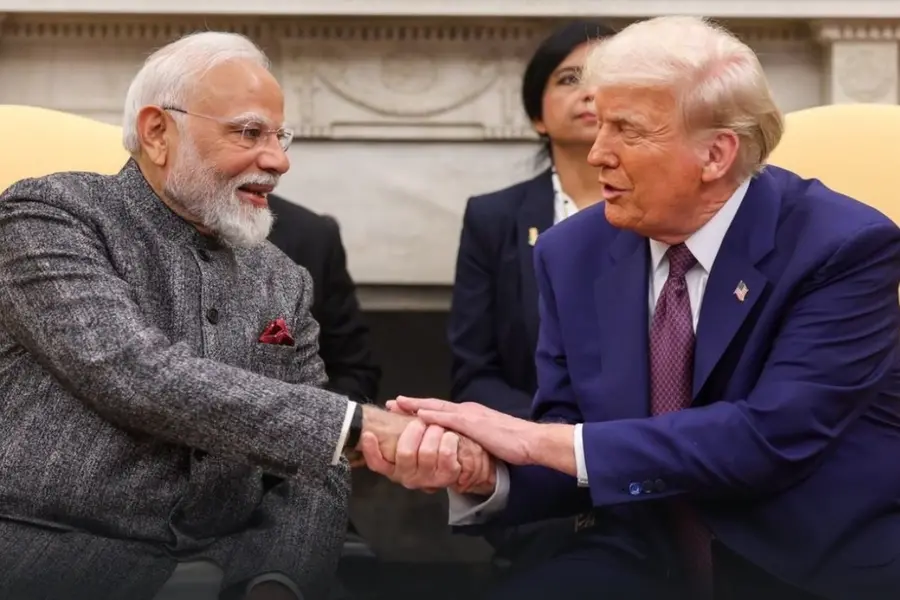
New Delhi: The United States Embassy in India on Friday underscored a message from President Donald Trump celebrating Prime Minister Narendra Modi as a leader who “gets things done,” while projecting a period of intensified bilateral cooperation.
The embassy’s social media dispatch has garnered significant attention, appearing at a critical juncture as the conflict in West Asia continues to escalate. In the highlighted remarks, President Trump signalled a bullish future for the partnership.
“Our amazing relationship with India will be even stronger going forward," Trump said. "Prime Minister Modi and I are two people that get things done, something that cannot be said for most.”
Strategic Dialogue on West Asia
The public display of rapport follows a high-level telephone conversation between the two leaders on Tuesday, dominated by the ongoing hostilities involving Iran. Following the discussion, Prime Minister Modi emphasised India’s commitment to regional de-escalation and the preservation of global trade routes.
“Received a call from President Trump and had a useful exchange of views on the situation in West Asia," Modi posted on X. "India supports de-escalation and restoration of peace at the earliest. Ensuring that the Strait of Hormuz remains open, secure and accessible is essential for the whole world. We agreed to stay in touch regarding efforts towards peace and stability.”
During the call, both heads of state stressed that maintaining the security and accessibility of the Strait of Hormuz is a global imperative. They committed to maintaining rigorous communication channels to safeguard international shipping lanes and regional stability.
Context of a Growing Conflict
The diplomatic outreach occurs against a backdrop of severe regional instability. Tensions spiked following Feb. 28 military strikes by the U.S. and Israel against Iran, which resulted in the death of Supreme Leader Ayatollah Ali Khamenei.
In the ensuing weeks, Tehran has retaliated with waves of drone and missile strikes targeting American and Israeli assets, regional capitals, and allied military positions. This volatility has roiled global markets, leaving energy prices acutely sensitive to each new development in the theatre of war.
With inputs from IANS
Published: 27 Mar 2026, 10:53 am IST
Related Topics
Disclaimer: Kindly avoid objectionable, derogatory, unlawful and lewd comments, while responding to reports. Such comments are punishable under cyber laws. Please keep away from personal attacks. The opinions expressed here are the personal opinions of readers and not that of Mathrubhumi.
