
India launches ₹1,500 crore scheme to boost critical mineral recycling from e-waste and battery scrap under National Critical Mineral Mission.
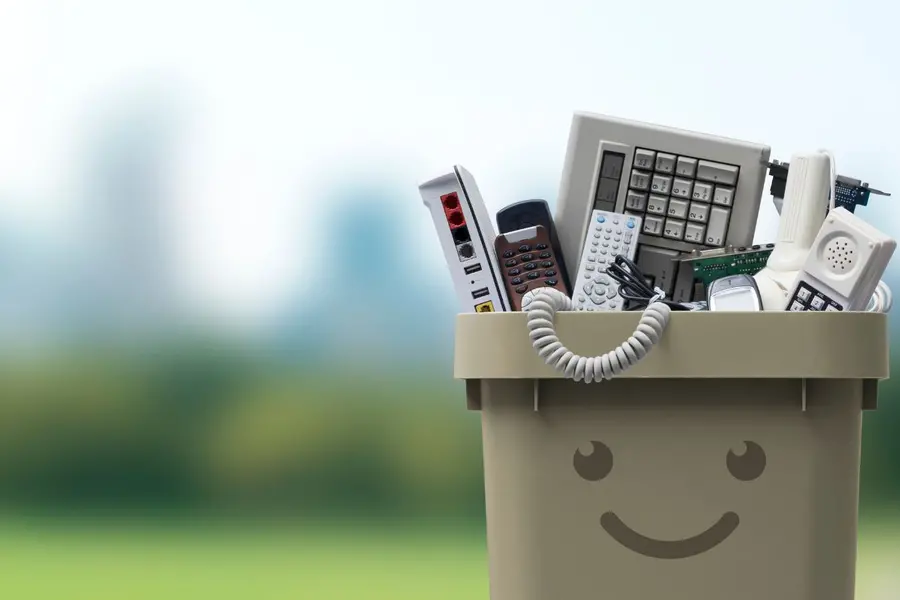
In a major step towards strengthening India’s resource resilience, the Union Cabinet, led by Prime Minister Narendra Modi, has approved a ₹1,500 crore incentive scheme aimed at building domestic capacity for recycling critical minerals from secondary sources such as e-waste and battery scrap.
This initiative falls under the National Critical Mineral Mission (NCMM), which seeks to enhance India’s self-reliance and supply chain stability in key minerals essential for sectors like clean energy, electronics and electric mobility. Given the long gestation period involved in mining and foreign asset acquisition, the government sees recycling as a strategic short-term solution to meet industrial demand.
The scheme will run for six years, from FY 2025–26 to FY 2030–31, and will support the development of recycling infrastructure for materials including lithium-ion battery waste, electronic scrap and catalytic converters from end-of-life vehicles. Both large-scale recyclers and emerging players—including startups—are eligible, with one-third of the total outlay earmarked for smaller entities.
Incentives will be offered for setting up new facilities as well as upgrading or diversifying existing ones. The scheme specifically targets operations that extract critical minerals, excluding those limited to black mass production.
Financial support includes:
- 20% capital subsidy on plant, machinery and utilities for units that commence production within the stipulated timeframe.
- Operational subsidies linked to incremental sales over the base year (FY 2025–26), with 40% disbursed in the second year and the remaining 60% in the fifth year, subject to performance thresholds.
- To ensure broad participation, the total incentive per entity is capped at ₹50 crore for large firms and ₹25 crore for smaller ones, with respective ceilings of ₹10 crore and ₹5 crore for operational subsidies.
The scheme is projected to:
- Establish 270 kilotonnes of annual recycling capacity
- Yield 40 kilotonnes of critical minerals annually
- Attract ₹8,000 crore in investments
- Generate approximately 70,000 direct and indirect jobs
The policy was shaped through extensive consultations with industry stakeholders, including seminars and dedicated meetings.
Published: 03 Sept 2025, 09:22 pm IST
Related Topics
Disclaimer: Kindly avoid objectionable, derogatory, unlawful and lewd comments, while responding to reports. Such comments are punishable under cyber laws. Please keep away from personal attacks. The opinions expressed here are the personal opinions of readers and not that of Mathrubhumi.
