
Hyderabad: Telangana’s new Bhu Bharati portal is set to revolutionise how land records are managed in the state, offering citizens a more transparent, efficient, and accessible system. Designed as a comprehensive digital platform, the portal allows users to access a range of services, from land registrations and mutations to appeals, revisions, and conversion of agricultural land to non-agricultural use.
Under the Telangana Bhu Bharati (Record of Rights in Land) Act, 2024, the portal also provides access to crucial land-related data, including e-challans, encumbrance and prohibited land details, land rights, market values, and registered documents, all in one place.
One of the key highlights of Bhu Bharati is its appeal mechanism, giving citizens a clear and structured path to resolve land-related disputes through the Revenue Department, rather than the courts. This marks a major shift from earlier practices, which often left farmers and landowners caught in legal battles with little administrative support.
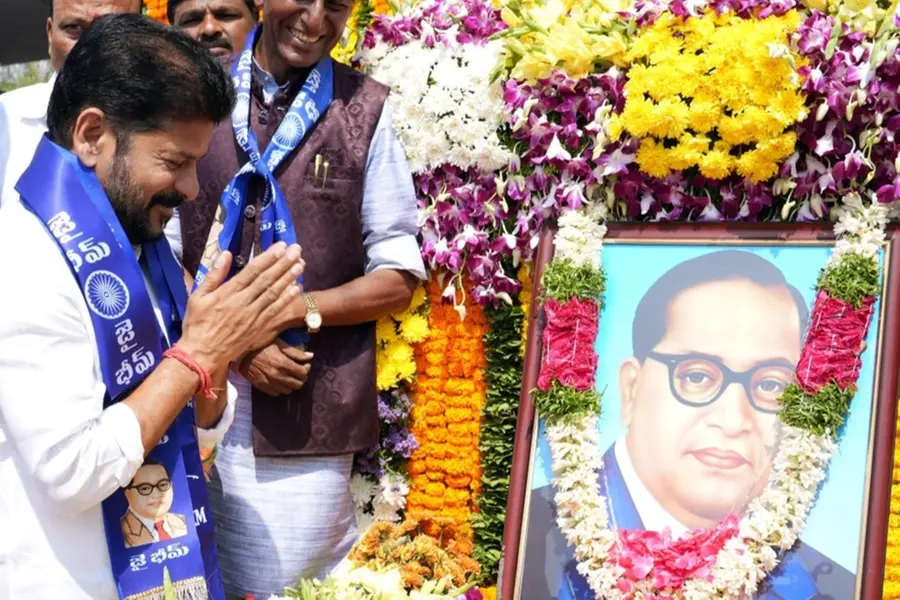
The portal was officially launched on Sunday by Chief Minister A. Revanth Reddy at Shilpa Kala Vedika in Hyderabad, coinciding with the 134th birth anniversary of Dr B.R. Ambedkar. The Chief Minister stressed that Bhu Bharati fulfills a key election promise and is intended to replace the BRS-era Dharani portal, which faced widespread criticism over irregularities and lack of accessibility.
To ensure smooth implementation, Bhu Bharati will initially be rolled out as a pilot project in three mandals—Thirumalagiri (Nalgonda), Sadasivapet (Medak), and Keesara (Rangareddy). The state government plans to expand the portal statewide by Telangana Formation Day on June 2.
Ahead of the launch, CM Revanth Reddy held a meeting with District Collectors at the Marri Chenna Reddy Human Resource Development Corporation (MCHRD), directing them to conduct intensive awareness campaigns about the new portal at the mandal level. He also called for focused implementation of both the Bhu Bharati and Indiramma Housing schemes, terming them as pillars of the government’s commitment to inclusive governance.
Published: 15 Apr 2025, 12:21 pm IST
Related Topics
Disclaimer: Kindly avoid objectionable, derogatory, unlawful and lewd comments, while responding to reports. Such comments are punishable under cyber laws. Please keep away from personal attacks. The opinions expressed here are the personal opinions of readers and not that of Mathrubhumi.
