
Under the existing rules, regular women employees of the state government with fewer than two surviving children are eligible for 365 days of maternity leave
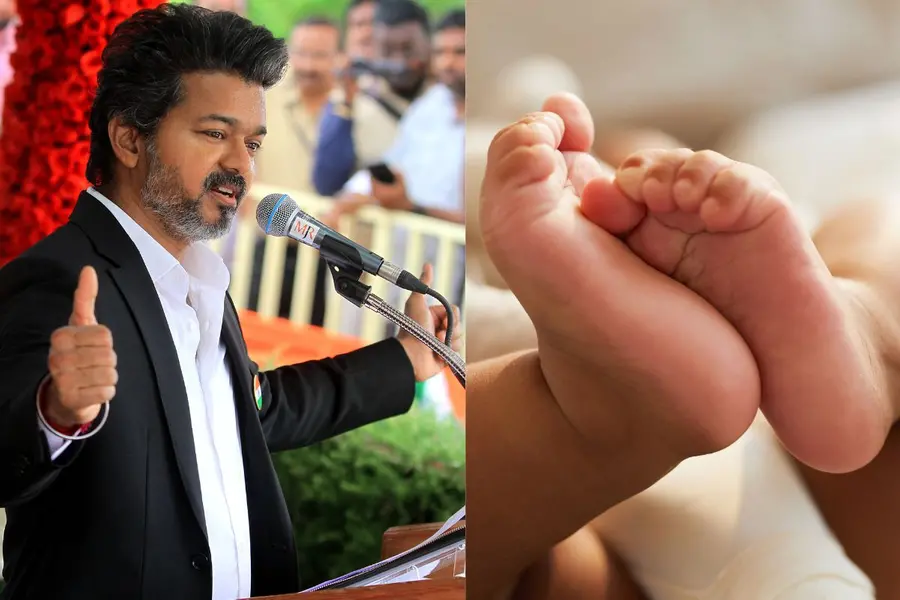
Chennai: The Tamil Nadu government has extended the full maternity leave benefit available to women state government employees to those having a third child.
Under the new policy, female government employees will be entitled to 365 days of paid maternity leave for their third child, bringing the benefit on a par with the leave available for the first and second children.
Also Read

Human Resources Management Minister D Sarathkumar announced the decision in the Legislative Assembly during the debate on the demand for grants for his department.
Third-child maternity leave extended to one year
Previously, women government employees with two or more surviving children were entitled to a maximum of 12 weeks, or 84 days, of maternity leave with full pay for a subsequent pregnancy.
The government has now decided to extend this to 365 days, removing the disparity in maternity leave provisions between the first two children and the third.
A detailed Government Order (GO) setting out the provisions and implementation of the revised policy will be issued shortly.
365 days for first, second and third children
Under the existing rules, regular women employees of the state government with fewer than two surviving children are eligible for 365 days of maternity leave.
The shorter 12-week provision applied to a third pregnancy under earlier government directives. The new decision will bring the maternity leave entitlement for the first three children to the same level.
The move is aimed at strengthening maternity support for women government employees and promoting greater equality in workplace benefits.
Decision comes amid demographic concerns
The policy comes at a time when Tamil Nadu is experiencing a significant demographic transition. The state's Total Fertility Rate (TFR) has fallen below 1.4, considerably lower than the replacement-level fertility rate of 2.1.
Tamil Nadu also has an ageing population, with nearly 16% of its population aged 60 and above. The demographic shift has prompted wider discussions on family welfare, social security and measures to address the needs of an ageing population.
Published: 19 Aug 2026, 10:23 am IST
ABOUT THE AUTHOR
Related Topics
Disclaimer: Kindly avoid objectionable, derogatory, unlawful and lewd comments, while responding to reports. Such comments are punishable under cyber laws. Please keep away from personal attacks. The opinions expressed here are the personal opinions of readers and not that of Mathrubhumi.