
New guidelines for stray dog management in Delhi-NCR prioritize public safety while controlling the stray population. Vaccination and designated feeding zones are key.
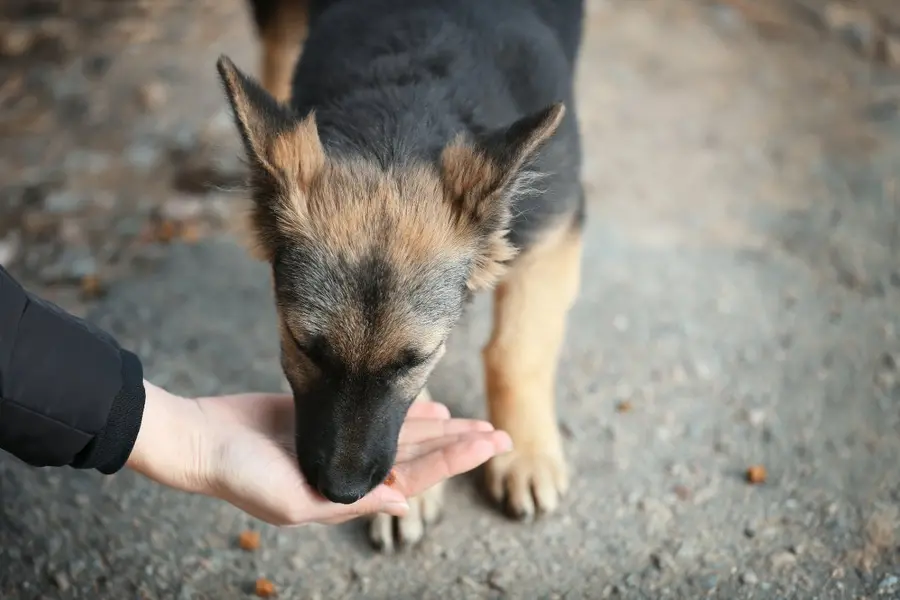
New Delhi: The Supreme Court on Friday allowed the release of vaccinated and sterilised stray dogs back into their original localities, modifying its August 11 order that had banned the release of strays from dog shelters in Delhi-NCR.
A three-judge special bench, led by Justice Vikram Nath and comprising Justices Sandeep Mehta and N V Anjaraia, clarified that this exemption will not apply to dogs showing signs of aggression or those infected or suspected to be infected with rabies. Such animals are to remain under observation or be treated accordingly.
The bench ruled that municipal bodies can resume the release of stray dogs into the areas from where they were picked up, provided the animals are sterilised and fully vaccinated. This marks a crucial shift from the earlier decision, which had drawn criticism from animal welfare groups and civic bodies alike due to the lack of shelter space and logistics.
The August 11 order, passed by a two-judge bench, had directed authorities in Delhi, Noida, Ghaziabad, Gurugram, and Faridabad to begin picking up stray dogs from all residential areas and relocate them to dog shelters amid a rise in rabies cases, particularly among children.
Street feeding of stray dogs banned; Dedicated zones to be created
In a bid to reduce human-animal conflicts, the Supreme Court has prohibited public feeding of stray dogs on streets, directing municipal authorities to set up designated feeding areas in each ward.
Feeding zones must be established based on the population and concentration of strays in each municipal area, added the court order.
The court further directed civic bodies to install clear signage near these feeding spots, warning that people feeding dogs outside these zones may face legal action under relevant municipal laws and public nuisance provisions.
Applicable across India
Widening the scope of the case, the bench impleaded all states and Union Territories and also transferred similar pending cases from various high courts across the country to itself, turning this into a pan-India matter.
The case will now be taken up again after eight weeks, as the top court examines long-term solutions for managing the country’s stray dog population.
The Supreme Court’s intervention came after a suo motu cognisance of a media report on increasing stray dog attacks in Delhi, many of which reportedly led to rabies infections among children. The case was initiated on July 28 following public outcry and legal petitions urging urgent action.
Published: 22 Aug 2025, 10:50 am IST
Related Topics
Disclaimer: Kindly avoid objectionable, derogatory, unlawful and lewd comments, while responding to reports. Such comments are punishable under cyber laws. Please keep away from personal attacks. The opinions expressed here are the personal opinions of readers and not that of Mathrubhumi.
