
Spiti Valley, Himachal Pradesh, designated as India’s first Cold Desert Biosphere Reserve
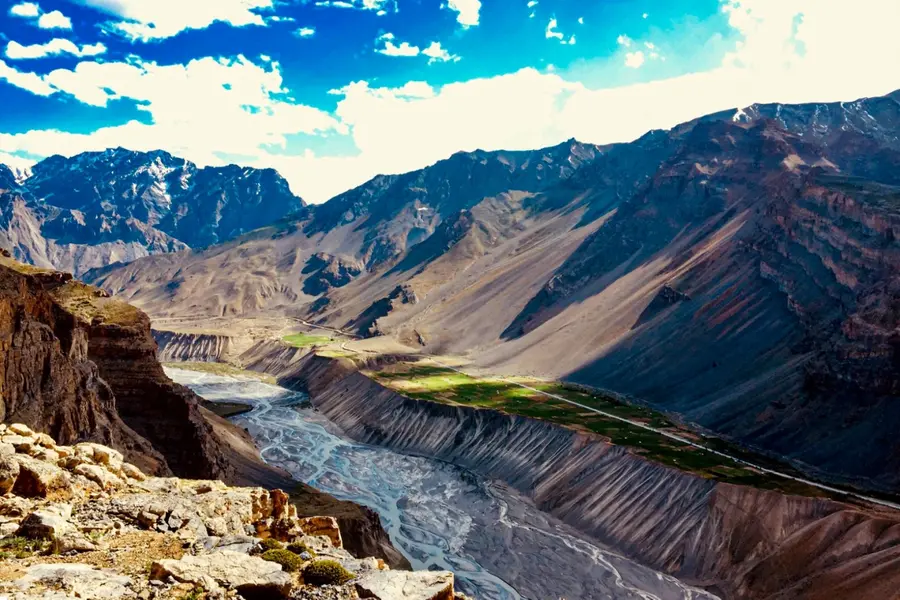
Spiti Valley, in Himachal Pradesh, is unlike any other Indian landscape. Perched at altitudes between 3,300 and 6,600 metres, it is part of the Trans-Himalayan biogeographic province.
Here, the climate is extremely cold and dry, the terrain stark and fragile, and vegetation sparse. Yet this apparent barrenness shelters extraordinary biodiversity. Snow leopards prowl its cliffs, blue sheep graze its slopes, and golden eagles soar across its skies. The valley also supports traditional communities who have adapted to its harsh conditions, preserving indigenous knowledge of medicinal plants and sustainable living.
What does UNESCO recognition mean?
In September 2025, UNESCO’s Man and the Biosphere (MAB) programme officially recognised Spiti Valley as India’s first Cold Desert Biosphere Reserve. The decision, made during the 37th MAB-ICC meeting in Hangzhou, China, gives Spiti global visibility and integrates it into a network of over 700 biosphere reserves worldwide.
For India, it marks the 13th site to join the UNESCO MAB list, alongside more familiar names such as the Sundarbans and Nilgiri Biosphere Reserves. The recognition is not simply honorary: it brings opportunities for research, conservation funding, global collaborations, and eco-tourism frameworks that prioritise local communities.
How large is the reserve and what does it include?
The Spiti Cold Desert Biosphere Reserve covers 7,770 square kilometres, of which 7,591 sq km lies in the Spiti Wildlife Division and 179 sq km in the Lahaul Forest Division, stretching up to Sarchu near Ladakh. The Reserve has three clearly demarcated zones:
- Core zone (2,665 sq km): strictly protected areas including Pin Valley National Park and Kibber Wildlife Sanctuary.
- Buffer zone (3,977 sq km): where limited, regulated human activity is permitted.
- Transition zone (1,128 sq km): where communities live, farm, and engage in eco-tourism.
It also includes ecologically significant sites such as the Chandratal Wetland and high-altitude grasslands of Sarchu Plains.
What species and plants does Spiti protect?
Despite its harshness, Spiti is a biodiversity hotspot. Surveys have recorded:
Flora: 655 herbs, 41 shrubs, 17 tree species. Notably, 14 plant species are endemic, while 47 are recognised for their medicinal properties, many used in Sowa Rigpa and Amchi healing traditions.
Fauna: 17 mammal species and 119 bird species. The snow leopard is the flagship species, supported by a strong prey base of over 800 blue sheep. Other mammals include the Tibetan wolf, red fox, and Himalayan ibex. Birdlife features golden eagles, bearded vultures, and Himalayan snow cocks.
How will this benefit local communities?
For generations, Spiti’s small villages have practised subsistence agriculture and livestock rearing while relying on traditional herbal medicine. The UNESCO tag is expected to strengthen livelihoods by promoting eco-tourism, cultural heritage, and research-based opportunities. Importantly, it also highlights the valley’s role in climate resilience: fragile cold desert ecosystems are highly sensitive to global warming, glacial retreat, and extreme weather.
Why is this a milestone for India?
Until now, India’s globally recognised biosphere reserves were tropical forests, mangroves, or coastal ecosystems. Spiti’s inclusion expands this scope to high-altitude deserts, acknowledging their ecological and cultural value. As Himachal Pradesh officials note, the challenge will be balancing conservation with development — ensuring that fragile habitats are protected even as sustainable tourism and local livelihoods grow.
The recognition positions Spiti Valley not just as a breathtaking destination, but as a vital laboratory for studying how communities and wildlife survive in some of the planet’s most extreme conditions.
Published: 30 Sept 2025, 09:38 am IST
Related Topics
Disclaimer: Kindly avoid objectionable, derogatory, unlawful and lewd comments, while responding to reports. Such comments are punishable under cyber laws. Please keep away from personal attacks. The opinions expressed here are the personal opinions of readers and not that of Mathrubhumi.
