
The Supreme Court is hearing pleas challenging CEC Gyanesh Kumar over alleged unilateral decisions linked to the Special Intensive Revision exercise.
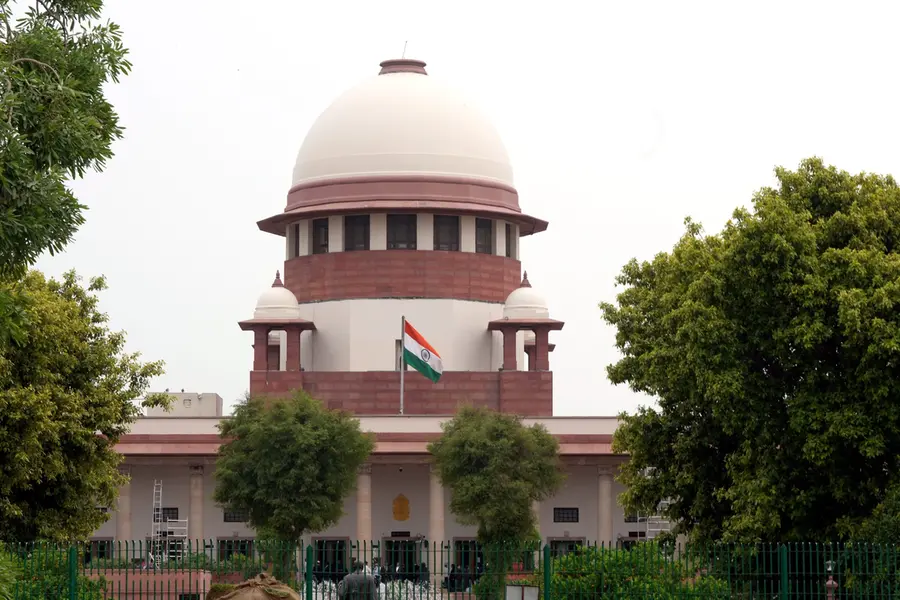
The Supreme Court on Monday heard a petition questioning whether Chief Election Commissioner Gyanesh Kumar can exercise powers independently of those that the Constitution vests in the Election Commission as a collective body.
The petition, filed by Patna resident Rakesh Kumar Singh, cites reported differences between Kumar and Election Commissioners Sukhbir Singh Sandhu and Vivek Joshi, including objections the two commissioners allegedly raised to certain decisions.
At the heart of Singh’s challenge is the interpretation of Article 324 of the Constitution.
The petitioner argues that the provision places overall supervision, direction, and control of elections with the Election Commission, rather than giving those powers exclusively to the Chief Election Commissioner.
The plea points to Article 324(2), under which the Election Commission consists of the CEC and such number of Election Commissioners as the President may decide.
It also highlights Article 324(3), which makes the CEC the commission's chairman when other Election Commissioners are appointed.
Singh has clarified that his challenge does not allege that Kumar misused powers specifically assigned to the CEC.
Instead, he has questioned what he describes as an attempt to exercise the commission’s collective decision-making authority in an individual capacity.
The petition seeks a writ of quo warranto, asking Kumar to establish the legal authority under which he allegedly exercised powers belonging to the Election Commission as a whole.
Delhi-based lawyer Shailendra Mani Tripathi has filed another petition before the court.
He has sought an independent judicial inquiry or an SIT headed by a retired Supreme Court judge into alleged irregularities within the Election Commission.
Tripathi has also sought directions to register complaints and initiate prosecution under Section 32 of the Representation of the People Act against Kumar, Senior Deputy Election Commissioner Maneesh Garg, Director General (Information Technology) Seema Khanna, and other officials who may be found responsible.
His petition refers to documents published on September 23, 2026, and alleges serious constitutional and legal issues within the Election Commission under Kumar’s leadership.
The petitions come amid the wider controversy surrounding the Special Intensive Revision of electoral rolls. The allegations made in the petitions are yet to be adjudicated by the Supreme Court.
Published: 05 Oct 2026, 10:21 am IST
ABOUT THE AUTHOR

Related Topics
Disclaimer: Kindly avoid objectionable, derogatory, unlawful and lewd comments, while responding to reports. Such comments are punishable under cyber laws. Please keep away from personal attacks. The opinions expressed here are the personal opinions of readers and not that of Mathrubhumi.