
The Punjab and Haryana High Court had in April denied anticipatory bail to the petitioner
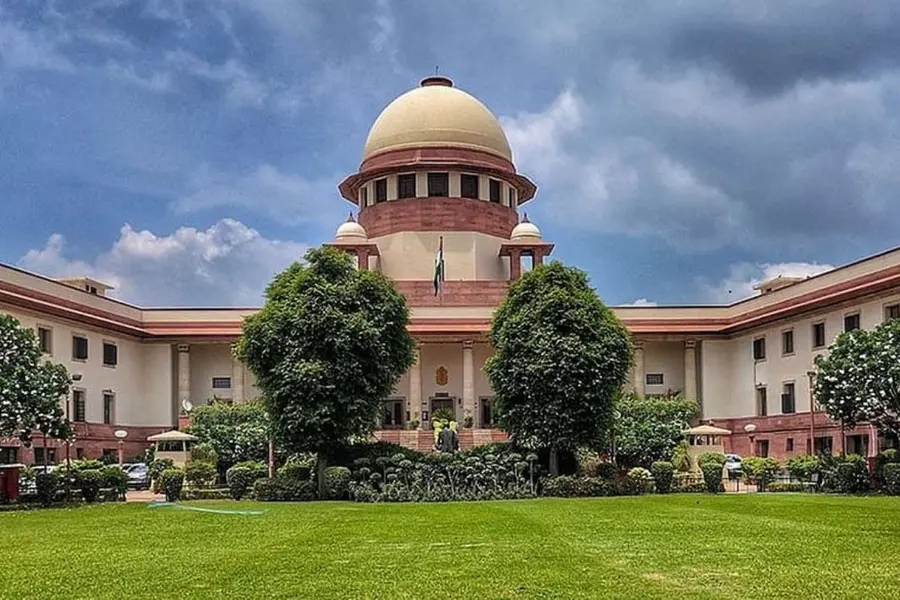
New Delhi: The Supreme Court has refused to grant anticipatory bail to an accused for allegedly duping a man after promising to send him to the US through the “donkey” route. A bench comprising Justices Ujjal Bhuyan and Manmohan heard the plea and firmly denied relief to the accused Om Parkash.
The apex court said that such illegal acts hamper the global reputation of Indian passports and hurt the “interests of law-abiding citizens”. “This is a very serious offence… Such incidents lower the standing of Indian passports internationally. They also adversely affect genuine people,” remarked the bench.
About the case: The complainant, an immigration agent, filed an FIR with the Haryana Police in which he mentioned that Parkash promised to send him to the United States through legitimate channels for a payment of ₹43 lakh. However, the complainant alleged that he was sent to Dubai in September 2024, following which he was moved across borders, smuggled through Panama’s jungles, and then forcibly sent across the US-Mexico border on February 1, 2025.
After this, the complainant was arrested by US authorities, imprisoned, and deported to India on February 16, 2025. Parkash then allegedly demanded ₹22 lakh extra from the complainant’s father, taking the total extorted amount to ₹65 lakh.
Charges: Parkash is facing charges under sections related to criminal conspiracy, cheating, human trafficking, and criminal intimidation.
In April, anticipatory bail was already denied by the Punjab and Haryana High Court. It stated that Parkash had been directly implicated by the complainant's father and that the probe was still in its early phases. Parkash's criminal background was also brought up by the High Court, which declared that no extraordinary circumstances had been demonstrated to support bail.
The Supreme Court agreed and decided that, given the nature of the accusations and the stage of the investigation, anticipatory bail was inappropriate in this case. The Apex court reaffirmed that this type of bail should only be issued in extremely exceptional situations. In February, two US military aircraft deported hundreds of Indians caught illegally entering the country. As many as 200 deportations were carried out amid an intensifying crackdown on transnational migration networks, which turned out into a politically sensitive issue.
Published: 16 Jun 2025, 06:25 pm IST
Related Topics
Disclaimer: Kindly avoid objectionable, derogatory, unlawful and lewd comments, while responding to reports. Such comments are punishable under cyber laws. Please keep away from personal attacks. The opinions expressed here are the personal opinions of readers and not that of Mathrubhumi.
