
The Gig Workers Association has welcomed the move, calling it an acknowledgement of the hazardous strain imposed by aggressive delivery timelines
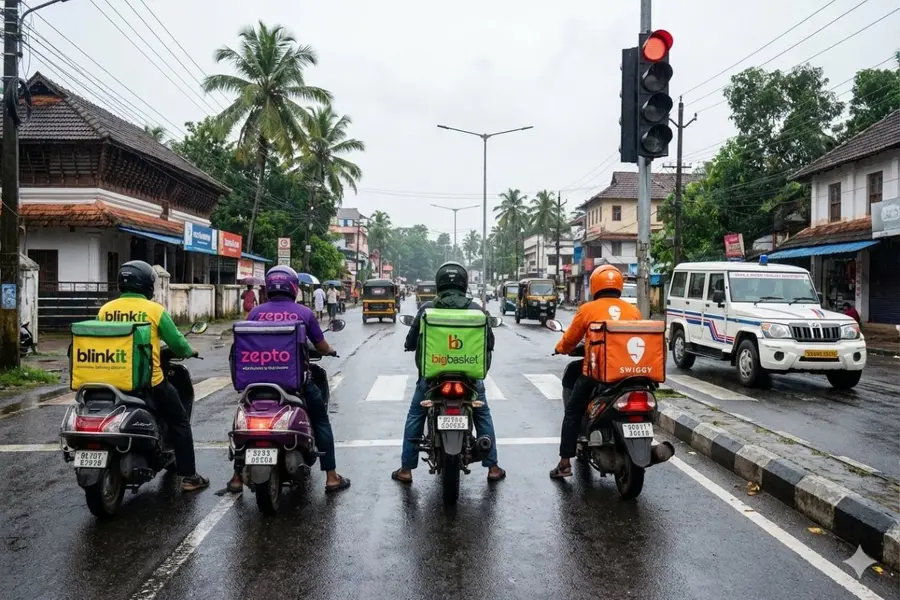
Leading quick commerce platforms Zepto, Swiggy Instamart and Flipkart Minutes have dropped their ‘10-minute’ delivery branding, following mounting pressure from the government and labour rights groups over the safety and welfare of delivery personnel. The move comes shortly after Blinkit made a similar change.
The decision follows a directive issued last week by Union Labour Minister Mansukh Mandaviya, who urged quick commerce companies to prioritise rider safety and move away from rigid 10-minute delivery commitments. His remarks came amid growing concerns that aggressive timelines were putting delivery workers at risk.
ALSO READ | Blinkit removes ‘10-minute delivery’ claim after Mandaviya’s intervention
The issue has gained prominence after gig workers staged a nationwide strike on New Year’s Eve 2025, highlighting concerns related to health, safety and earnings. Labour groups have repeatedly argued that ultra-fast delivery promises encourage unsafe riding practices and excessive workloads.
Blinkit has revised its principal tagline from “10,000+ products delivered in 10 minutes” to “30,000+ products delivered at your doorstep”. Zepto now uses the tagline “Groceries in minutes”, while Swiggy Instamart displays “Groceries and More” on both Android and iOS app stores. Tata Group-owned BigBasket, however, continues to use the tagline “10 min grocery app”.
ALSO READ | Why Indians will order more food online in 2026
The Gig Workers Association has welcomed the move, calling it an acknowledgement of the hazardous strain imposed by aggressive delivery timelines. In a statement, the association said the 10-minute model forced workers to rush, take risks on the road and endure long hours driven by app-based pressures such as incentives, ratings and order allocation.
It also flagged concerns over pay structures, noting that workers are often paid the same amount for multiple orders as for a single delivery. “In one such case, a worker was paid only Rs 19.30 for delivering two orders together. This increases risk and workload without any additional compensation,” the association said.
The group stressed the need for a permanent institutional framework to enable structured dialogue between workers, platforms and government authorities. Such a mechanism, it said, would help address grievances proactively, ensure worker safety and dignity, and prevent disputes from escalating.
ALSO READ | Indians order record 2,19,000 biryanis on New Year's Eve
Meanwhile, a recent Goldman Sachs report estimated the total addressable market for quick commerce in India’s top 150 cities at USD 235 billion. The sector is projected to grow at a compound annual growth rate of 35–40 per cent between FY25 and FY30, reaching USD 47 billion by FY30.
According to the report, Blinkit leads the market with a 40–45 per cent share of India’s quick commerce industry. Currently, seven players operate in the space: Blinkit, Swiggy Instamart, Zepto, JioMart, BigBasket, Amazon Now and Flipkart Minutes.
The industry is estimated to have 65–75 million monthly transacting users. Blinkit overtook Zepto in monthly active users in June 2025 and had around 24 million MAUs in December, the report said.
In November, the government notified four new labour codes, introducing sweeping reforms including universal social security coverage for gig workers. The labour ministry has since proposed a 90-day annual work threshold as the eligibility criterion for gig and platform workers to access social security benefits under draft rules of the Social Security Code, 2020, published on 31 December.
India currently has an estimated 12.7 million gig workers, a number that NITI Aayog projects will rise to 23.5 million by 2029–30.
Published: 14 Jan 2026, 09:32 pm IST
Related Topics
Disclaimer: Kindly avoid objectionable, derogatory, unlawful and lewd comments, while responding to reports. Such comments are punishable under cyber laws. Please keep away from personal attacks. The opinions expressed here are the personal opinions of readers and not that of Mathrubhumi.
