
The task force will submit its recommendations to the government, with a focus on making the country's examination system more secure, transparent and reliable
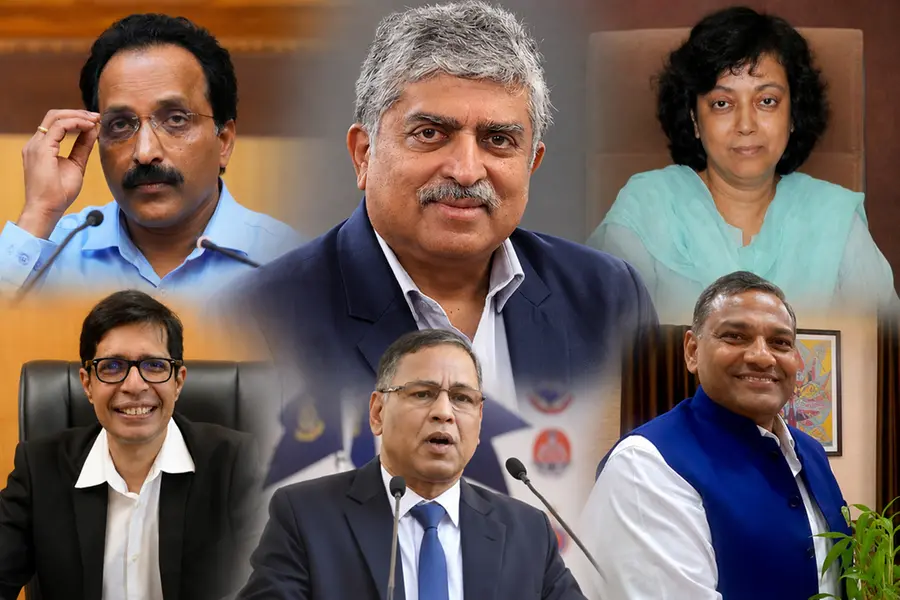
New Delhi: Prime Minister Narendra Modi has constituted a high-level task force, headed by Infosys co-founder Nandan Nilekani, to bring about a comprehensive overhaul of the National Testing Agency (NTA) and strengthen India's examination system.
According to sources, the panel has been carefully constituted with experts from technology, security, logistics and administration to address long-standing concerns over examination integrity, including paper leaks and malpractice.
The task force will submit its recommendations to the government, with a focus on making the country's examination system more secure, transparent and reliable. The proposed reforms are expected to improve data security, strengthen operational processes and enhance the overall credibility of examinations.
PM Modi's video on the proposed task force
Nilekani is expected to spearhead technology and data security reforms, drawing on his experience with large-scale digital platforms such as Aadhaar and UPI. His recommendations may include an end-to-end encrypted examination platform, along with AI-enabled biometric verification to prevent impersonation and safeguard candidates' data.
Who are the other members of the Task Force?
IIT Madras Director V Kamakoti is likely to focus on strengthening the software and server infrastructure used for computer-based tests. Measures under consideration include AI-driven randomisation of question papers, ensuring each candidate receives a unique sequence of questions to reduce the risk of hacking and screen-sharing fraud.
Former ISRO Chairman S Somanath is expected to contribute expertise in designing robust, error-free systems. His recommendations could include multiple layers of verification and zero-defect operational standards across every stage of the examination process, from question paper preparation to result declaration.
Former Intelligence Bureau Director Tapan Deka is expected to advise on intelligence gathering and real-time cyber monitoring to identify and dismantle organised exam fraud networks. His expertise could also help strengthen security audits at examination centres.
Logistics expert Amrit Lal Meena is likely to recommend tamper-proof systems for printing, storing and transporting question papers, including GPS tracking and digitally locked containers that can only be opened at designated locations and times.
Former Education Secretary and ex-CBSE Chairperson Anita Karwal is expected to focus on academic and policy reforms. Her recommendations may cover standard operating procedures for examination centres, transparent evaluation mechanisms, grace mark policies and quicker resolution of answer key disputes.
The government hopes the panel's recommendations will help restore confidence in the examination system by making it more secure, transparent and resistant to malpractice.
ALSO READ | ‘This is only the beginning’: CJP founder Abhijeet Dipke issues warning after Pradhan resigns
Published: 27 Jul 2026, 07:57 am IST
Related Topics
Disclaimer: Kindly avoid objectionable, derogatory, unlawful and lewd comments, while responding to reports. Such comments are punishable under cyber laws. Please keep away from personal attacks. The opinions expressed here are the personal opinions of readers and not that of Mathrubhumi.
