
Prime Minister Narendra Modi highlighted a significant reduction in Maoist-affected districts and recent surrenders by insurgents
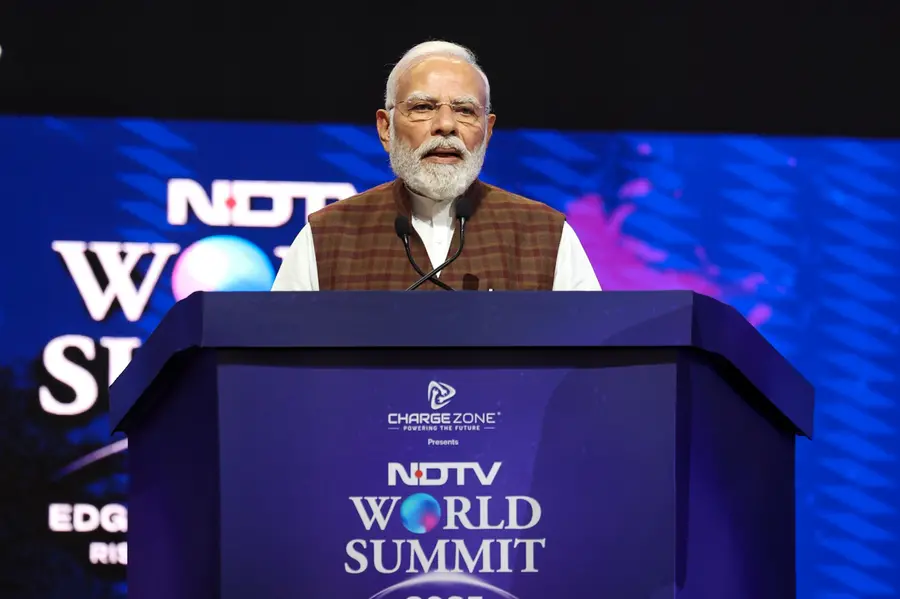
New Delhi: Prime Minister Narendra Modi on Friday highlighted significant progress in India’s efforts to curb Maoist terrorism, noting that Left-Wing Extremism (LWE) has drastically declined in recent years. According to government data, Maoist influence previously extended across approximately 125 districts in India. Today, that number has fallen to 11 districts, with only three facing severe Maoist activity.
The Prime Minister cited a recent surge in surrenders, with 303 Maoist operatives abandoning insurgency in just 75 hours. Among these individuals were those with bounties ranging from ₹5 lakh to ₹1 crore. Authorities stated that these operatives are being rehabilitated through government schemes, vocational training, and social reintegration programmes to facilitate a transition from insurgency to mainstream life.
Also Read

"They are now moving forward with faith in the Constitution of India," Modi said.
"In the last 50-55 years, thousands were killed by Maoist terrorists. These Naxals would not allow schools or hospitals to be built... They would not let doctors enter clinics... They would bomb institutions. Maoist terrorism was an injustice to the young people," he said.
"I used to feel agitated... This is the first time I am expressing my pain to the world," Modi said.
Modi reflected on the historical impact of Maoist violence, which has spanned more than five decades, claiming thousands of lives and disrupting development in rural areas. Maoists targeted schools, hospitals, infrastructure, and public institutions, making basic services inaccessible in affected regions. The insurgency hindered economic growth, education, and healthcare, leaving many rural populations vulnerable.
In recent years, the government has combined security measures with developmental initiatives to restore normalcy. For instance, areas like Bastar are now hosting sports and cultural events for the first time in decades, marking a symbolic return to civic life. Infrastructure projects, road connectivity, healthcare facilities, and educational institutions are being restored or built anew, aiming to address socio-economic disparities that often fuel insurgency.
"The day is not far when India will be totally free from Naxalism and Maoist violence -- this too is Modi's guarantee," he told the gathering that included Sri Lankan Prime Minister Harini Amarasuriya, former UK prime minister Rishi Sunak and ex-Australian prime minister Tony Abbot, among others.
Officials note that coordinated intelligence operations, targeted security interventions, and community engagement have been crucial in reducing Maoist influence. Local populations are increasingly participating in government programmes, and youth from former conflict zones are being encouraged to contribute to local development.
Modi also contrasted the current situation with past challenges, saying that earlier governments lacked comprehensive approaches to countering insurgency and had not fully integrated development with security. He described the ongoing surrenders and reintegration of former Maoists as a tangible outcome of these combined strategies.
The government continues to monitor the remaining LWE-affected areas, implementing a graded response strategy that balances law enforcement with socio-economic measures. Authorities emphasise that rehabilitation, community outreach, and infrastructure development are essential to prevent a resurgence of Maoist activity.
In his address, Modi stated that “the day is not far when India will be totally free from Naxalism and Maoist violence,” highlighting ongoing government commitment to the eradication of Left-Wing Extremism and the restoration of peace, development, and governance in previously conflict-affected regions.
Published: 17 Oct 2025, 11:58 pm IST
Related Topics
Disclaimer: Kindly avoid objectionable, derogatory, unlawful and lewd comments, while responding to reports. Such comments are punishable under cyber laws. Please keep away from personal attacks. The opinions expressed here are the personal opinions of readers and not that of Mathrubhumi.