
Government cuts excise duty by Rs 10/litre to offset oil company losses, keeping petrol and diesel prices unchanged.
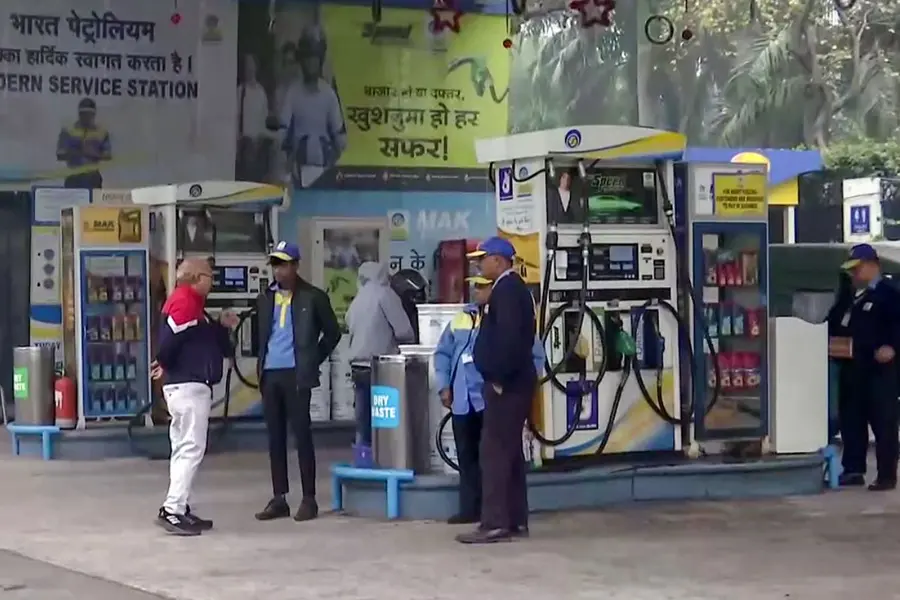
New Delhi: The Indian government on Friday announced that retail petrol and diesel prices will remain unchanged, with a Rs 10 per litre excise duty reduction aimed at offsetting the losses incurred by public sector oil marketing companies (OMCs), rather than being passed directly to consumers at the pump.
The Petroleum Ministry said that Indian Oil Corporation (IOC), Bharat Petroleum Corporation (BPCL), and Hindustan Petroleum Corporation (HPCL) have continued supplying fuel at prices far below their cost, absorbing significant under-recoveries due to soaring international crude oil prices.
At present, under-recoveries amount to roughly Rs 26 per litre for petrol and Rs 81.90 per litre for diesel, translating to a combined daily burden of around Rs 2,400 crore for the OMCs. The excise reduction partially offsets these losses, ensuring an uninterrupted fuel supply while keeping retail fuel prices stable.
Also read| Govt raises industrial LPG supply to 70% amid energy crisis; Fuel duty cut offers relief
The government cited the sharp rise in global crude oil prices from about $70 per barrel to nearly $122 per barrel over the past month — an increase of nearly 75 per cent — driven by ongoing West Asia conflicts and supply chain disruptions. By contrast, fuel prices have surged by 30–50 per cent across South and South-East Asia, 30 per cent in North America, and 20 per cent in Europe, highlighting India’s price stability despite the fiscal cost.
Petroleum Minister Hardeep Singh Puri confirmed that Prime Minister Narendra Modi decided to absorb the financial impact to protect Indian consumers. “The government has taken a substantial hit on taxation revenues to mitigate the high losses faced by OMCs amid skyrocketing global prices,” he said.
In addition to the excise reduction, the government has introduced a diesel export levy to prioritise domestic fuel supply over exports, ensuring refineries meet India’s energy demand first. Officials stated that the situation will continue to be monitored closely, with measures taken as necessary to maintain fuel supply stability and price protection.
IANS
Published: 27 Mar 2026, 03:32 pm IST
Related Topics
Disclaimer: Kindly avoid objectionable, derogatory, unlawful and lewd comments, while responding to reports. Such comments are punishable under cyber laws. Please keep away from personal attacks. The opinions expressed here are the personal opinions of readers and not that of Mathrubhumi.
