
The Centre increases commercial LPG allocation to 70% for industries and slashes excise duty on petrol and diesel to curb inflation. Read the full update here.
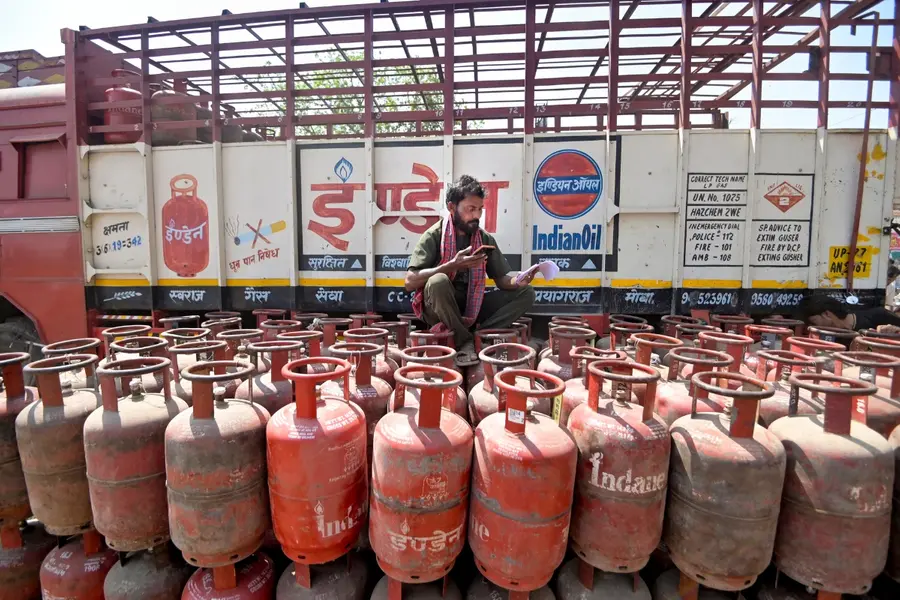
New Delhi: The Centre has stepped up efforts to stabilise fuel supply by increasing commercial LPG allocation to 70% of pre-crisis levels, even as it announced a sharp cut in excise duty on petrol and diesel to shield consumers from rising global oil prices.
In a communication to states and Union Territories, Neeraj Mittal, Secretary in the Ministry of Petroleum, informed Chief Secretaries that an additional 20% allocation of non-domestic LPG will be provided over and above the existing 50%.
Earlier, states were allotted:
- 40% of pre-crisis LPG quota
- 10% additional allocation linked to reforms promoting PNG (piped natural gas)
With the newly proposed 20% increase, the total allocation now rises to 70% of pre-crisis levels, offering relief to industries facing supply constraints.
Who will benefit
The additional LPG allocation will be directed towards labour-intensive and core industries, including:
- Steel
- Automobile
- Textile
- Chemicals and dyes
- Plastics
Special priority will be given to process industries that require LPG for specialised heating and cannot switch to natural gas alternatives.
Conditions for additional allocation
Industries seeking the extra allocation must:
- Be registered with Oil Marketing Companies (OMCs)
- Apply for PNG connections where feasible
However, units where LPG is essential and cannot be replaced by natural gas may receive exemptions from these requirements.
The Centre has also urged states to quickly utilise the 10% reform-based allocation, if not already availed.
Fuel duty cut to protect consumers
In a parallel move to curb inflation and ease public burden, the government has:
- Reduced excise duty on petrol to ₹3 per litre (from ₹13)
- Cut diesel excise duty to zero (from ₹10)
- Imposed a windfall tax of ₹21.5 per litre on diesel exports
These decisions come amid a global energy crisis triggered by the US-Israel conflict with Iran and Tehran’s blockade of the Strait of Hormuz, a crucial route that handles 20–25 million barrels of oil and gas daily.
Before the conflict, India sourced 12–15% of its crude oil through this route, making it vulnerable to disruptions.
Published: 27 Mar 2026, 12:47 pm IST
Disclaimer: Kindly avoid objectionable, derogatory, unlawful and lewd comments, while responding to reports. Such comments are punishable under cyber laws. Please keep away from personal attacks. The opinions expressed here are the personal opinions of readers and not that of Mathrubhumi.
