
The RBI has proactively cut rates by 125 basis points since 2025 to support growth.
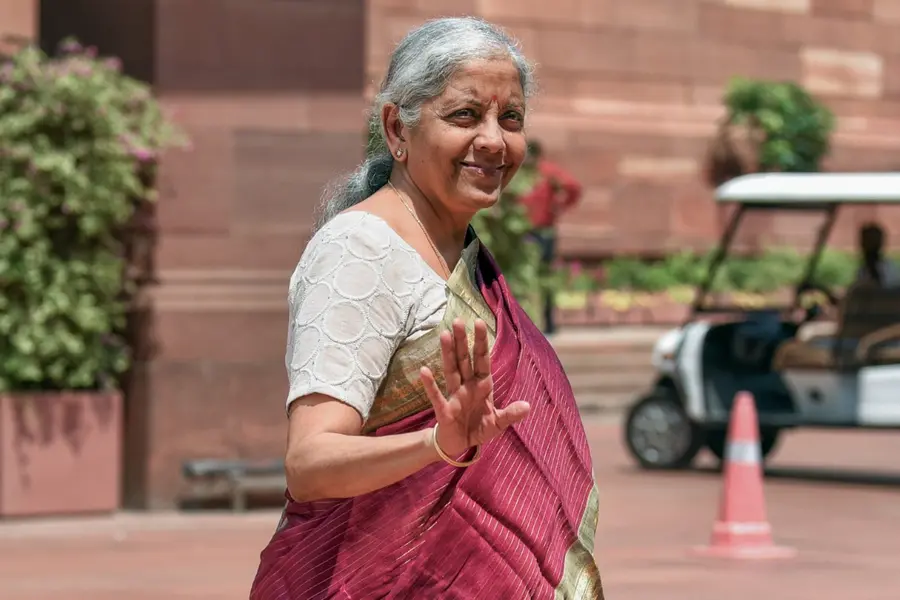
New Delhi: Finance Minister Nirmala Sitharaman informed the Parliament on Monday that the recent surge in global crude oil prices is not expected to particularly impact India’s inflation rate, noting that domestic price growth currently sits near the "lower bound" of official targets.
Addressing a query in the Lok Sabha, Sitharaman explained that the cost of India’s crude imports had been on a consistent downward trend for a year prior to the outbreak of military hostilities in West Asia on Feb. 28, 2026.
The minister provided specific data illustrating the volatility caused by the conflict between the United States, Israel, and Iran. "Between the end of February and until March 2, 2026, the crude oil price (Indian basket) rose from $69.01 per barrel to $80.16 a barrel," Sitharaman said. "Given that India's inflation is near the lower bound, the impact on inflation is not estimated to be substantial at this point."
The minister referenced an October 2025 Reserve Bank of India (RBI) report, which calculated that a 10% rise in crude prices beyond baseline projections could elevate inflation by 30 basis points, assuming costs are fully passed to consumers. However, she emphasised that the medium-term effect remains contingent on variables such as exchange rate fluctuations, global supply-demand dynamics, and the effectiveness of monetary policy.
India’s retail inflation has seen a steady decline, dropping from 5.4% in the 2023-24 fiscal year to 4.6% in 2024-25. Between April 2025 and January 2026, the average rate fell further to 1.8%. The January 2026 headline inflation figure of 2.75% remains well within the RBI's tolerance range of 2% to 6%, hovering near the lower threshold.
To manage the economy, the RBI’s Monetary Policy Committee has slashed the policy rate by a total of 125 basis points since February 2025, Sitharaman noted.
The Finance Minister also detailed a series of government interventions aimed at shielding citizens from rising costs, including:
- Food Security: Expanding buffer stocks of essential commodities and selling procured grains in the open market.
- Trade Policy: Facilitating necessary imports while curbing exports during domestic shortages.
- Fiscal Relief: Exempting annual incomes up to ₹12 lakh, and ₹12.75 lakh for salaried employees, from income tax to increase middle-class disposable income.
- Taxation: Implementing a broad-based Goods and Services Tax (GST) rate cuts to lower the cost of various products and services.
The briefing comes as the conflict enters its second week, with retaliatory Iranian strikes on U.S. regional bases continuing to pressure international energy markets.
With inputs from IANS
Published: 09 Mar 2026, 04:14 pm IST
Related Topics
Disclaimer: Kindly avoid objectionable, derogatory, unlawful and lewd comments, while responding to reports. Such comments are punishable under cyber laws. Please keep away from personal attacks. The opinions expressed here are the personal opinions of readers and not that of Mathrubhumi.
