
The National Green Tribunal (NGT) has sought the Centre’s response to a petition challenging environmental clearance for a proposed ₹17,700-crore Adani data centre project in Visakhapatnam, with concerns raised over the project’s classification, proximity to a wildlife sanctuary and potential impact on a major drinking-water source.
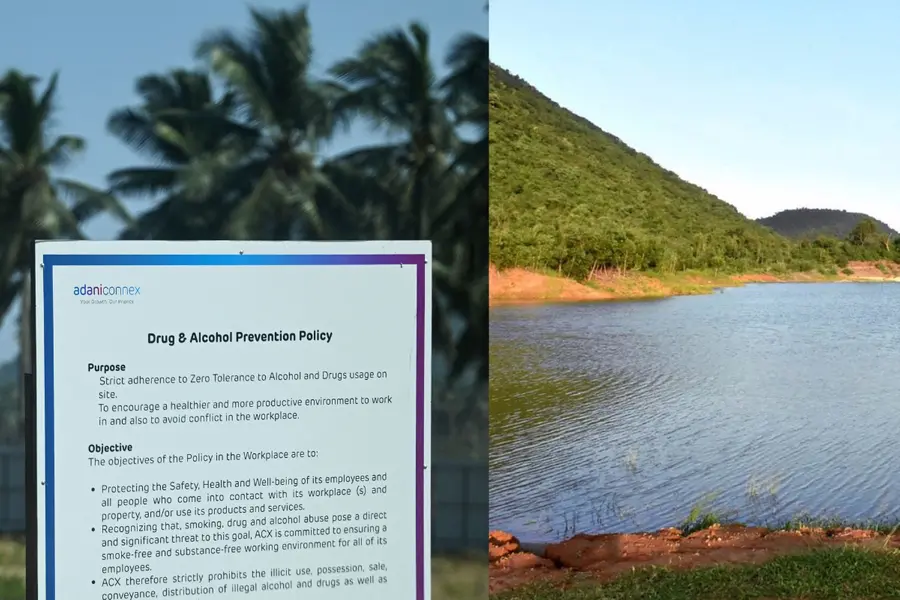
Visakhapatnam: The National Green Tribunal has sought a response from the Centre and other relevant authorities to a petition challenging the environmental clearance granted to the proposed Adani Infra Vizag Hyperscale Data Centre project in Visakhapatnam, Andhra Pradesh.
The appeal was filed by former Communist Party of India (Marxist) corporator Boddu Gangarao against the environmental clearance issued on June 10, 2026, for the proposed 512-MW facility. The project, estimated to cost ₹17,700 crore, is planned across 601.4 acres within Adivivaram and Mudasarlova villages.
The petition questions the environmental appraisal process and raises concerns about the project’s proximity to the Kambalakonda Wildlife Sanctuary and its potential impact on the Mudasarlova reservoir, a major drinking-water source for Visakhapatnam.
Why is the environmental clearance being challenged?
Gangarao has argued that the project was incorrectly classified under Category B2, which allows certain projects to undergo a less detailed appraisal than those requiring a comprehensive environmental impact assessment.
According to the petition, the scale and location of the proposed data centre warranted a more rigorous assessment at the central government level. Instead, the clearance was granted by the Andhra Pradesh State Environment Impact Assessment Authority (SEIAA).
The petitioner has asked the NGT to cancel the clearance and halt construction until the tribunal reaches a final decision. These are allegations that remain subject to judicial examination; the tribunal has not yet determined whether the clearance was legally valid.
Concerns over Kambalakonda Wildlife Sanctuary
The proposed site is reported to be approximately 750 metres from the Kambalakonda Wildlife Sanctuary and around 470 metres from its notified eco-sensitive zone.
The petition raises concerns about the potential effects of construction and development on the surrounding environment. Such concerns include possible disturbance to wildlife habitats and changes to local drainage patterns.
The proximity of the project to the protected area is one of the grounds on which the petitioner argues that a more comprehensive environmental appraisal should have been undertaken.
Mudasarlova reservoir and drinking-water security
The project’s potential impact on local water resources is another central issue in the case.
The petition alleges that development could disrupt natural streams feeding the Mudasarlova reservoir, potentially affecting water inflows and long-term availability. The reservoir is described as an important drinking-water source for Visakhapatnam.
Data centres also require substantial electricity and may use significant quantities of water, depending on their cooling systems and design. However, the actual water requirements of this particular facility, its proposed cooling technology and the extent of any effect on the reservoir would need to be assessed using project-specific evidence.
The tribunal’s consideration of the petition could therefore bring greater scrutiny to the relationship between large digital infrastructure projects, local water resources and environmental safeguards.
Why Visakhapatnam is attracting data centre investment
The legal challenge comes as Visakhapatnam is being promoted as an emerging hub for data centres and digital infrastructure.
A report by real estate services company Square Yards, titled How India’s Data Centre Revolution Is Rewriting Real Estate, estimated that planned data centre development in Visakhapatnam could generate 51,840 jobs, including 3,240 direct jobs and 48,600 indirect jobs across sectors such as construction, maintenance, transport, warehousing, hospitality and utilities.
The report also projected demand for 2.33 crore square feet of residential real estate as workers move to the city and related businesses expand.
These figures relate to the broader data centre development ecosystem in Visakhapatnam and should not be interpreted as job or housing estimates attributable solely to the Adani project under challenge.
The wider investment landscape also includes a proposed Google and AdaniConneX AI infrastructure hub with a planned capacity of 1 GW and a reported investment of $15 billion. This broader initiative is distinct from the 512-MW facility involved in the NGT petition, even though both form part of the region’s expanding digital infrastructure ambitions.
Supporters of such investments point to the potential for employment, infrastructure development, commercial activity and additional economic opportunities. The challenge before the NGT, however, concerns the environmental clearance and possible ecological consequences of the specific project.
What has the NGT decided so far?
The tribunal has sought responses from the Centre and the relevant authorities. The next hearing is scheduled for October 26, 2026.
As of the information provided, the NGT has not granted an interim stay on construction. Seeking responses from the authorities does not amount to a finding that the environmental clearance was unlawful, nor does it establish that the alleged environmental impacts will occur.
The next stage of the proceedings is expected to focus on the objections raised in the petition and the responses submitted by the authorities.
Development versus environmental safeguards
The case highlights a wider policy question facing cities seeking to attract large-scale digital infrastructure investment: how can governments encourage economic growth while protecting water supplies, biodiversity and the environment?
1. The environmental appraisal matters. The dispute over Category B2 classification raises questions about whether the project was assessed under the appropriate regulatory framework. The tribunal will need to consider the applicable rules and the evidence concerning the clearance process.
2. Water security needs project-specific assessment. Data centres can have significant water and electricity requirements, but their actual impact depends on design, cooling technology, water sourcing and operational practices. Claims about disrupted streams or reduced reservoir inflows require technical assessment rather than assumption.
3. Economic projections need to be distinguished from confirmed outcomes. Forecasts of jobs, housing demand and revenue indicate the potential benefits of the wider data centre ecosystem. They are projections, not guarantees, and should be weighed alongside infrastructure costs and environmental risks.
4. The legal outcome could affect scrutiny of future projects. The NGT’s consideration of the clearance may clarify how environmental appraisal requirements are applied to large digital infrastructure developments near sensitive ecological areas. The implications will depend on the tribunal’s findings and the regulatory provisions it applies.
The central issue is not simply whether Visakhapatnam should attract data centre investment. It is whether this particular project has obtained the required environmental clearance through the appropriate process, with adequate consideration of local water resources and ecological safeguards.
Published: 17 Oct 2026, 10:32 am IST
ABOUT THE AUTHOR

Related Topics
Disclaimer: Kindly avoid objectionable, derogatory, unlawful and lewd comments, while responding to reports. Such comments are punishable under cyber laws. Please keep away from personal attacks. The opinions expressed here are the personal opinions of readers and not that of Mathrubhumi.