
The plea, filed by former municipal corporator Rajendra Tyagi through advocate Akash Vashishtha, claimed that nearly 70,000 trees in the designated forest area were at risk.
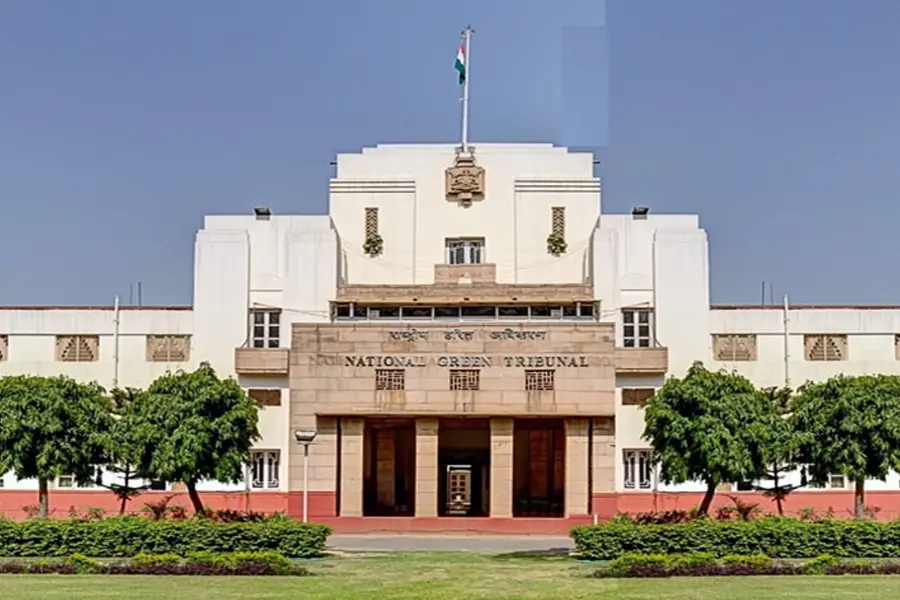
New Delhi: The National Green Tribunal has issued notices to the Centre and several authorities over alleged environmental degradation in Sai Upvan, a 200-acre city forest in Ghaziabad.
The tribunal was hearing a plea highlighting improper solid waste disposal and sewage management in the forest area, often referred to as the city’s “lungs”. The petition alleged continuous dumping and burning of waste, along with the choking of a stormwater drain passing through the forest.
The plea, filed by former municipal corporator Rajendra Tyagi through advocate Akash Vashishtha, claimed that nearly 70,000 trees in the designated forest area were at risk.
In its order dated March 19, a bench headed by NGT Chairperson Justice Prakash Shrivastava and expert member Afroz Ahmad noted, "Pointing out the issue of mis-managed solid waste disposal in Sai Upwan city, counsel for the applicant has submitted that there is illegal dumping of solid waste in the area and the burning of solid waste also takes place consequently about 70,000 trees are drying."
The tribunal also flagged sewage mismanagement, observing that parts of the forest get submerged during the monsoon due to overflowing drains.
"Issue notice to the respondents for filing their response/reply by way of affidavit before the tribunal at least one week before the next date of hearing (July 2)," it said.
The respondents include the Ministry of Environment, Forest and Climate Change, Uttar Pradesh government, Central Pollution Control Board, state pollution control board, district administration, forest department, Ghaziabad Development Authority and the municipal corporation.
The plea further stated that Sai Upvan plays a crucial role in improving air quality in one of India’s most polluted cities, but has suffered extensive damage in recent years.
"Almost half of the Sai Upwan city forest has been destroyed over the last few years due to incessant waste dumping, incessant dumping and burning of solid wastes, massive accumulation of legacy waste and other non-forest activities; mixing up of soil with legacy waste in a vast part of the forest area, causing massive soil contamination," it said.
Published: 31 Mar 2026, 07:20 pm IST
Related Topics
Disclaimer: Kindly avoid objectionable, derogatory, unlawful and lewd comments, while responding to reports. Such comments are punishable under cyber laws. Please keep away from personal attacks. The opinions expressed here are the personal opinions of readers and not that of Mathrubhumi.
