
GST collections doubled in five years (FY21-FY25), averaging Rs 2 lakh crore monthly
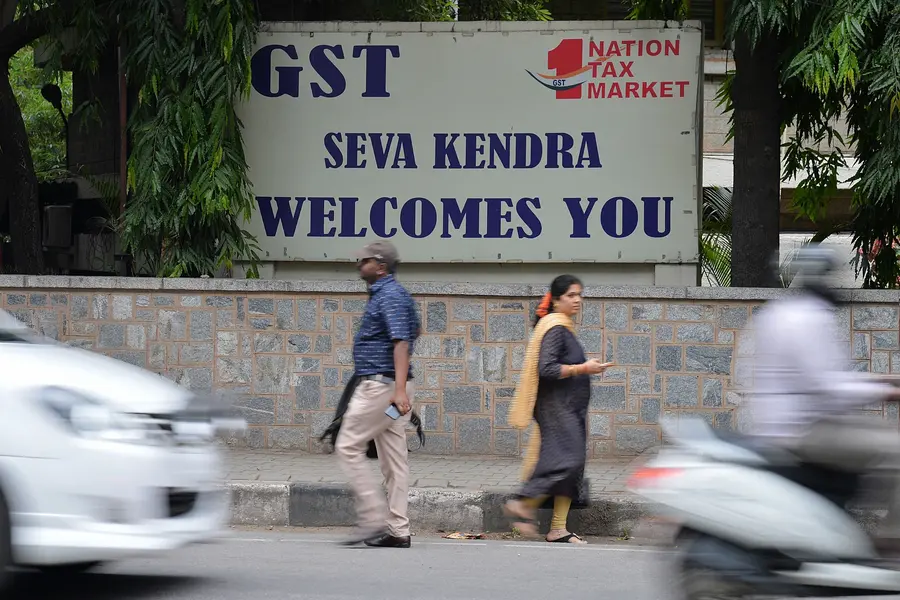
New Delhi: A recent report by the State Bank of India (SBI)'s Economic Research Department highlights major strides in women's participation within India's Goods and Services Tax (GST) framework. The report reveals that out of over 1.52 crore active GST registrations, one-fifth (20 per cent) of registered taxpayers include at least one woman, and 14 per cent of all registered taxpayers are entirely women-led businesses (based on their constitution). This representation is particularly strong in Limited Liability Partnerships (LLPs) and private limited companies, indicating a positive trend towards equitable representation in the corporate sector.
Dr. Soumya Kanti Ghosh, Group Chief Economic Advisor at SBI, noted that this data, combined with women's 15 per cent share in overall income taxpayers and 40 per cent share in total deposits, "mirrors women empowerment."
The report also underscores the robust growth of GST collections. In just five years (FY21-FY25), gross GST collection doubled, with the average monthly gross GST collection now reaching Rs 2 lakh crore. The top five states contribute 41 per cent of the gross revenue, and six states have surpassed the Rs 1 lakh crore mark in collections. States with over Rs 1 lakh crore in GST collection exhibit an Integrated Goods and Service Tax (IGST) share exceeding 30 per cent in their total domestic collection, emphasising the role of larger states in boosting GST revenue nationwide.
The GST system recently completed eight years since its rollout on July 1, 2017. Introduced to simplify India's indirect tax structure, it has facilitated easier tax compliance, reduced business costs, and streamlined inter-state movement of goods, thereby fostering a more integrated and transparent economy.
Dr. Ghosh's findings indicate a strengthening "convergence pattern" in GST collections, peaking in FY25 across all quantiles, suggesting a "broad-based equalising effect of GST."
Interestingly, the report points out that some larger and richer states like Telangana, Tamil Nadu, Kerala, Andhra Pradesh, and Karnataka have a low share in active GST taxpayers relative to their Gross State Domestic Product (GSDP) share. Conversely, states such as Uttar Pradesh, Bihar, and Gujarat show a larger share in total GST taxpayers compared to their overall GSDP share, indicating "vast untapped potential in GST in these states."
With inputs from IANS
Published: 22 Jul 2025, 10:44 am IST
Related Topics
Disclaimer: Kindly avoid objectionable, derogatory, unlawful and lewd comments, while responding to reports. Such comments are punishable under cyber laws. Please keep away from personal attacks. The opinions expressed here are the personal opinions of readers and not that of Mathrubhumi.
