
India observes National Flag Day on July 22 to commemorate the adoption of the Tiranga by the Constituent Assembly in 1947. Here's the history, significance, Flag Code of India, and the national flag's role in the freedom movement.
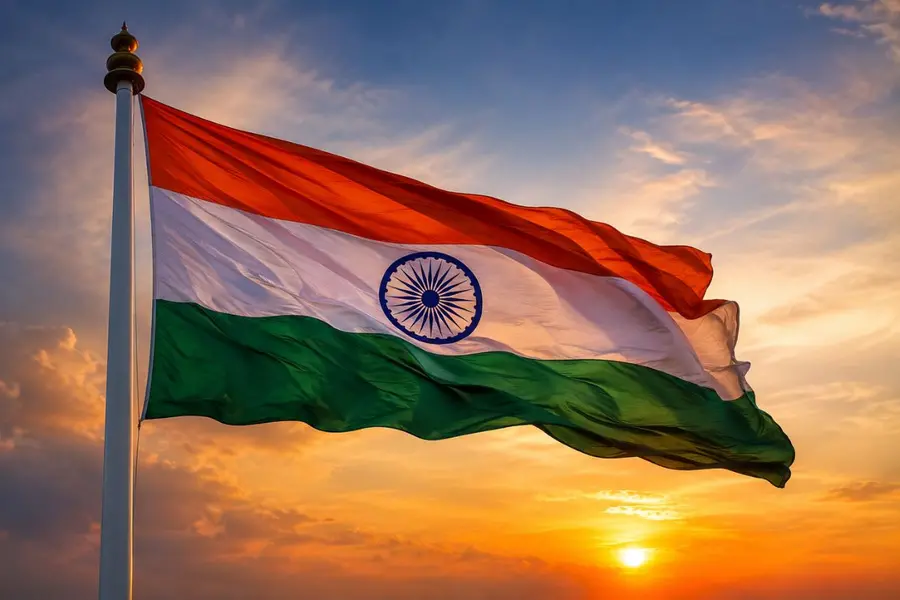
India observes National Flag Day, also known as National Flag Adoption Day, on July 22 every year.
The day marks the historic adoption of the Tiranga by the Constituent Assembly on July 22, 1947, just weeks before India gained Independence on August 15, 1947.
It is a tribute to the national flag as a symbol of freedom, unity, sovereignty and the sacrifices made during the freedom struggle.
Why is National Flag Day celebrated?
National Flag Day commemorates the formal adoption of the Indian national flag in its present form.
The occasion reminds citizens of the values represented by the Tiranga and honours the countless freedom fighters who rallied under it during the struggle against British rule.
It also encourages people to respect the flag and uphold the constitutional ideals it symbolizes.
History of the Tiranga
The Indian national flag evolved through several designs before Independence. Freedom fighter and flag designer Pingali Venkayya played a pivotal role in developing the tricolour concept.
The flag adopted on July 22, 1947, retained the saffron, white and green stripes, but replaced the spinning wheel (charkha) with the navy blue Ashoka Chakra featuring 24 spokes, symbolising justice, righteousness and continuous progress.
Significance of the colours
- Saffron: Courage, sacrifice and strength.
- White: Peace, truth and honesty.
- Green: Prosperity, growth and harmony with nature.
- Ashoka Chakra: Represents dharma, justice and the continuous movement of the nation toward progress.
Role in the freedom movement
The Tiranga became a powerful emblem of India's independence movement. It was carried during protests, marches and civil disobedience campaigns, inspiring millions of Indians to unite against colonial rule.
Hoisting the tricolour came to represent resistance, self-rule and national identity, making it one of the strongest symbols of India's freedom struggle.
Flag Code of India
The Flag Code of India governs the display, hoisting and respectful handling of the national flag.
Amendments in recent years have allowed citizens greater freedom to display the Tiranga throughout the year, provided it is treated with dignity and respect. The code prohibits misuse, damage or disrespect toward the national flag.
How is National Flag Day observed?
National Flag Day is marked through:
- Flag-hoisting ceremonies.
- Educational programmes in schools and colleges.
- Cultural events highlighting India's freedom struggle.
- Public awareness campaigns on the history and proper display of the Tiranga.
- Tributes to freedom fighters and national heroes.
Published: 22 Jul 2026, 02:27 pm IST
Related Topics
Disclaimer: Kindly avoid objectionable, derogatory, unlawful and lewd comments, while responding to reports. Such comments are punishable under cyber laws. Please keep away from personal attacks. The opinions expressed here are the personal opinions of readers and not that of Mathrubhumi.
