
India’s high-speed regional transport system expands with the launch of the Namo Bharat Rapid Rail and Meerut Metro corridor
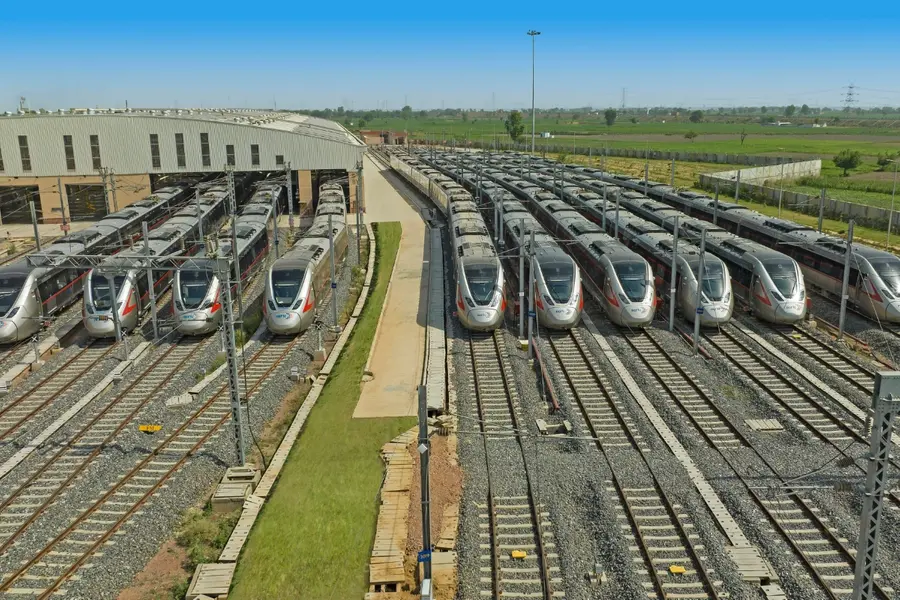
The Namo Bharat Rapid Rail Transit System (RRTS) and Meerut Metro corridor were inaugurated to strengthen high-speed urban and regional mobility in the National Capital Region (NCR).
The integrated transit network connects Delhi and Meerut through an 82 km corridor designed to provide fast, reliable, and modern public transport. The system aims to significantly reduce road congestion and travel time for daily commuters, students, and office workers.
Also Read

Route and Stations
The Meerut Metro operates partly on the same infrastructure as the RRTS corridor.
Key metro stations on the 23 km Meerut urban stretch include Meerut South, Partapur, Rithani, Shatabdi Nagar, Brahmapuri, Meerut Central, Bhaisali, Begumpul, MES Colony, Daurli, Meerut North, Modipuram and Modipuram Depot.
Passengers can interchange between metro and RRTS services at major hubs such as Meerut South, Shatabdi Nagar, Begumpul and Modipuram.
The regional rapid rail corridor connects Sarai Kale Khan in Delhi with Modipuram in Meerut, covering major urban centres including Ghaziabad and Modinagar.
Speed and Travel Time
The system is designed for high-speed regional travel.
- Maximum operational speed: about 120 kmph for metro services
- Design speed: up to 180 kmph for RRTS trains
- Delhi–Meerut travel time: reduced to less than 1 hour once fully operational
- Meerut metro travel time (23 km stretch): approximately 30 minutes
The network uses modern rail technology, including regenerative braking systems, automated train control, and energy-efficient operations.
Frequency and Capacity
Trains are expected to run at short intervals once regular services begin.
- Peak frequency: approximately every 5–10 minutes
- Expected corridor service interval: 10–15 minutes
- Train composition: air-conditioned coaches with passenger-friendly interiors
Safety features include CCTV surveillance, emergency alarms, platform screen doors, and digital information displays.
Each metro train can carry more than 700 passengers and includes seating arrangements for women, elderly passengers, and differently-abled commuters.
Ticket Fare Structure
The fare system will follow a distance-based model, promoting affordable travel.
Estimated fares include:
- Short metro trips: around ₹20–₹30
- Meerut South to Modipuram metro travel: approximately ₹60
- Full Delhi–Meerut regional rapid rail travel: up to ₹210
Smart ticketing options will be available through QR-based digital tickets, reloadable smart cards, and common mobility cards.
Benefits of Namo Bharat Rapid Rail
The high-speed transit system is expected to improve urban mobility and economic productivity.
The corridor supports multimodal connectivity by linking railway stations, metro networks, and major bus terminals such as Hazrat Nizamuddin Railway Station and ISBT hubs.
The project also promotes environmental sustainability by reducing private vehicle dependence and lowering carbon emissions through energy-efficient train technology.
Authorities believe the integrated RRTS–metro system will serve as a model for future rapid transit development in India.
Published: 22 Feb 2026, 02:06 pm IST
Related Topics
Disclaimer: Kindly avoid objectionable, derogatory, unlawful and lewd comments, while responding to reports. Such comments are punishable under cyber laws. Please keep away from personal attacks. The opinions expressed here are the personal opinions of readers and not that of Mathrubhumi.