
The bench appealed to the state government to consider public health sensitivities seriously and develop an effective solution for recurring noise pollution.
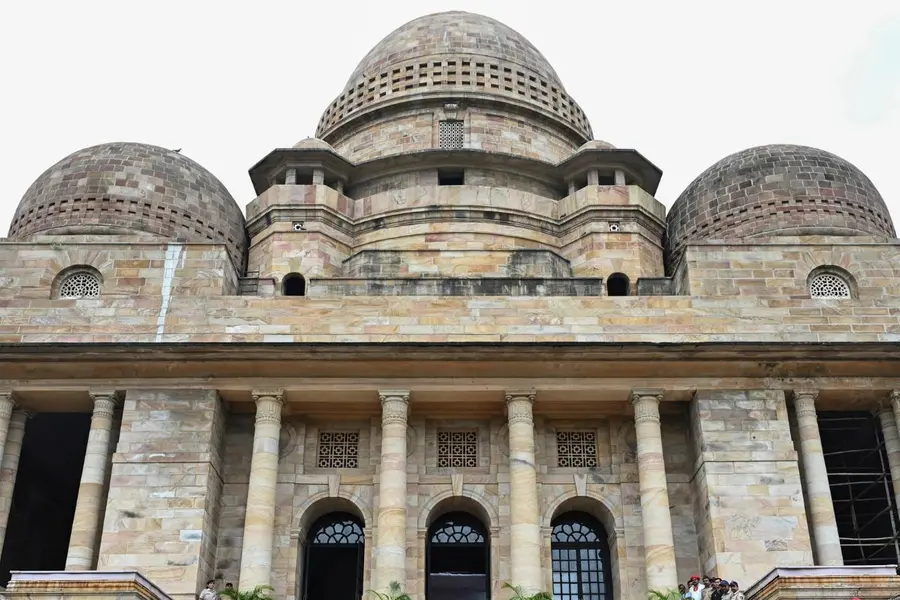
Nagpur: The Nagpur bench of the Bombay High Court declined to grant permission to a mosque for the use of loudspeakers, ruling that it does not have the right to use such devices to practice religion.
The court, referring to Supreme Court rulings, stated no religion requires prayers to be conducted through voice amplification or drum beating.
A bench of Justices Anil Pansare and Raj Wakode took suo motu notice of recurring noise pollution and asked the Maharashtra government for effective measures to address the problem.
In a December 1 order, the court dismissed a petition by Masjid Gousiya in Gondia seeking loudspeaker permission for prayers, noting the petitioner failed to prove that loudspeaker use was mandatory for religious practice.
"The petitioner, therefore, is not entitled to seek relief for the installation of a loudspeaker, as of right. The petition is accordingly dismissed," the court ruled.
Citing Supreme Court authority, the bench emphasised that prayers should not disturb others’ peace through amplified sound or drums, protecting the rights of citizens, including vulnerable groups like children, the elderly, the sick, and those with mental health challenges.
Highlighting the dangers of noise pollution, the court noted its severe public health impacts, including stress-induced hormone release causing cardiovascular disease, fatigue, headaches, high blood pressure, mental illness, and anxiety.
"Noise pollution is a serious threat to public health and welfare. It causes 'fight or flight' syndrome, releasing cortisol and other harmful chemicals into the bloodstream," the court said.
The court warned that noise above 120 decibels can damage hearing or rupture eardrums.
It also criticised functions at Nagpur’s Civil Lines event halls and religious venues playing ‘bhajans’ on loudspeakers in blatant violation of noise regulations, urging venues to self-regulate.
The bench appealed to the state government to consider public health sensitivities seriously and develop an effective solution for recurring noise pollution.
With inputs from PTI
Published: 05 Dec 2025, 02:34 pm IST
Related Topics
Disclaimer: Kindly avoid objectionable, derogatory, unlawful and lewd comments, while responding to reports. Such comments are punishable under cyber laws. Please keep away from personal attacks. The opinions expressed here are the personal opinions of readers and not that of Mathrubhumi.
