
Wilson has warned that the airline’s next leader will inherit a highly volatile operating environment marked by geopolitical conflicts, soaring fuel costs, airspace restrictions and mounting operational pressures
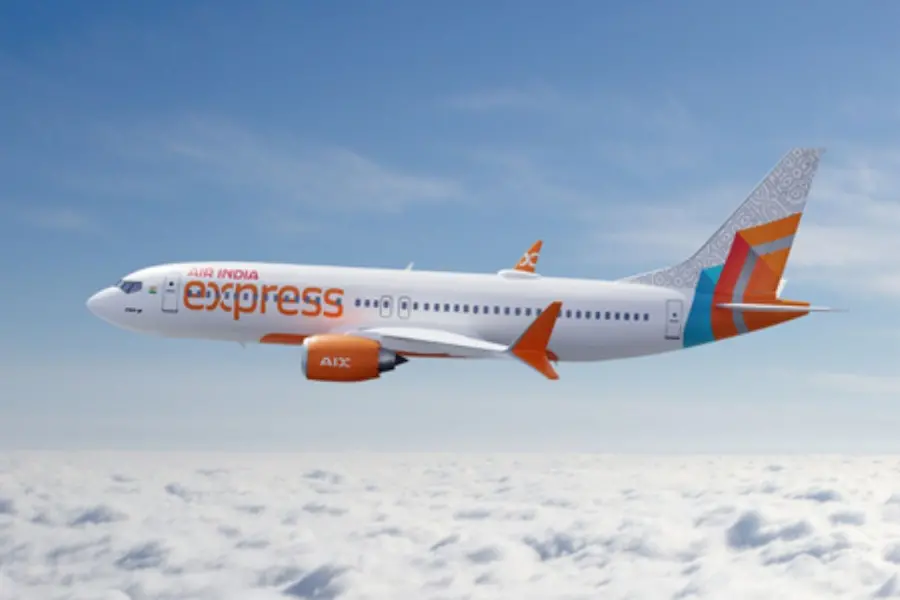
Air India chief executive officer Campbell Wilson has acknowledged that the airline’s next leader will inherit a highly challenging operating environment, shaped by geopolitical instability, rising operational costs, airspace restrictions, and the carrier’s ongoing transformation efforts.
Speaking at an industry event at the Wings Club in New York on Thursday, Wilson said his successor would have their “hands full” as Air India continues navigating one of the most complex phases in its modern history.
Wilson confirmed that he plans to step down within the next few months, reiterating that his tenure at Air India was always intended to last four years. However, he indicated that he is willing to remain flexible during the leadership transition to ensure continuity and a smooth handover process.
His remarks come at a time when the Tata Group-owned carrier is simultaneously pursuing aggressive expansion plans while also dealing with severe operational pressures triggered by regional conflicts, airspace closures, rising fuel prices, and safety-related scrutiny.
According to reports, two leading contenders for the top role include Vinod Kannan and Nipun Aggarwal, Air India’s current commercial head.
Wilson’s comments also offered a rare insight into the strategic and operational realities currently confronting the airline. Among the most pressing challenges is the continued closure of Pakistani airspace for Indian carriers, which has significantly disrupted Air India’s international operations, particularly flights connecting India with Europe and North America.
Compounding the issue is the impact of the ongoing Iran conflict, which has forced airlines to avoid large portions of Middle Eastern airspace. For Air India, this has meant extensive rerouting of flights, resulting in substantially longer flying times and sharply increased fuel consumption.
Wilson highlighted the scale of the disruption by noting that certain routes, such as Delhi to London, which earlier took around eight-and-a-half hours, are now stretching close to 12 hours due to restricted flight paths.
These operational detours are creating major financial pressure on the airline. Wilson revealed that fuel costs, already one of the largest expenditure components for airlines globally, have nearly doubled in proportion since the escalation of the regional conflict. According to him, fuel expenses have risen from around 34 per cent of Air India’s operating costs before the war to significantly higher levels today.
The strong US dollar is adding another layer of pressure. Since most aviation-related expenses, including aircraft leases, maintenance contracts, fuel purchases, and insurance, are dollar-denominated, the currency imbalance is making international operations more expensive for Indian carriers.
The next CEO will therefore be tasked not only with continuing Air India’s ambitious transformation programme, but also with steering the airline through a volatile global aviation environment marked by geopolitical uncertainty, fluctuating fuel prices, supply chain pressures, and operational unpredictability.
The leadership transition comes during a critical expansion phase for Air India. The airline has already placed one of the world’s largest aircraft orders and is in the process of rapidly scaling its fleet, network, and operational footprint in an attempt to position itself as a major global aviation player.
However, that growth strategy is unfolding alongside persistent operational challenges. The airline continues to face scrutiny following the June 2025 crash involving one of its Boeing 787 Dreamliner aircraft, an accident that resulted in significant loss of life and intensified regulatory and public attention on operational safety and reliability standards.
In addition, Air India has reportedly cancelled or reduced several international services in recent months because of geopolitical disruptions and route viability concerns. Longer flight durations are also affecting aircraft utilisation, crew scheduling, passenger connectivity, and overall operating economics.
Analysts believe that the airline’s next phase will require a careful balancing act between expansion and operational discipline. While the foundational transformation under Wilson has focused heavily on fleet modernisation, branding, network restructuring, and organisational integration, the next leadership phase may increasingly centre on operational resilience, profitability, employee alignment, and execution stability.
Wilson himself acknowledged that the groundwork for growth has already been laid, but noted that the airline is about to enter a much larger operational scale as new aircraft deliveries accelerate in the coming years.
For Air India’s next CEO, the challenge will not simply be growing the airline, but doing so while navigating one of the most geopolitically and economically uncertain periods the global aviation industry has faced in recent years.
Published: 22 May 2026, 02:58 pm IST
Related Topics
Disclaimer: Kindly avoid objectionable, derogatory, unlawful and lewd comments, while responding to reports. Such comments are punishable under cyber laws. Please keep away from personal attacks. The opinions expressed here are the personal opinions of readers and not that of Mathrubhumi.
