
Muharram, the first month of the Islamic calendar, is one of the holiest periods in Islam and marks the beginning of the Islamic New Year.
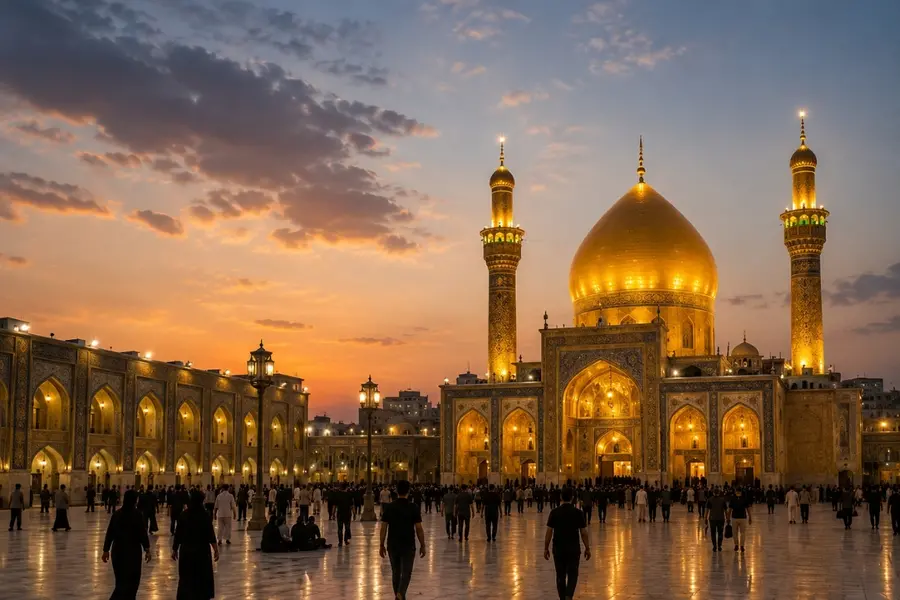
Muharram is one of the holiest months in Islam and marks the beginning of the Islamic New Year. Its 10th day, Ashura, is observed with deep religious significance by Muslims around the world. In India, Ashura is also a gazetted public holiday, leading to the closure of banks, schools, government offices and stock exchanges in many states.
What is Muharram?
Also Read

Muharram is the first month of the Islamic (Hijri) calendar and one of the four sacred months mentioned in the Quran. Unlike New Year celebrations in many cultures, Muharram is observed as a period of prayer, remembrance, self-reflection and devotion.
The Islamic calendar began in 638 CE under Caliph Umar and is based on the Hijra—the migration of Prophet Muhammad from Mecca to Medina in 622 CE. Because it follows the lunar cycle, Islamic dates shift by around 10 to 11 days every year in the Gregorian calendar.
In 2026, Muharram marks the beginning of the Islamic year 1448 AH.
What is Ashura?
Ashura is observed on the 10th day of Muharram and is the most significant day of the month.
Although all Muslims regard Ashura as a sacred day, its observance differs among Islamic traditions.
Why do Sunni Muslims observe Ashura?
For Sunni Muslims, Ashura commemorates the day Allah saved Prophet Musa (Moses) and the Israelites from Pharaoh.
- Many Sunni Muslims observe the day by:
- Fasting.
- Offering special prayers.
- Reading the Quran.
- Performing charitable acts.
Islamic scholars recommend fasting on the 9th and 10th or the 10th and 11th of Muharram.
Why do Shia Muslims observe Ashura?
For Shia Muslims, Ashura is a day of mourning that commemorates the martyrdom of Imam Hussain ibn Ali, the grandson of Prophet Muhammad, during the Battle of Karbala in present-day Iraq in 680 CE.
Imam Hussain refused to pledge allegiance to the Umayyad ruler Yazid I and, along with his family and companions, was killed after being surrounded and denied water for several days.
To honour his sacrifice, Shia Muslims participate in:
- Majlis (religious gatherings).
- Mourning processions.
- Tazia processions.
- Prayers and remembrance ceremonies.
The day symbolises sacrifice, justice, courage and standing against oppression.
Why is Muharram important?
Muharram is regarded as one of the holiest periods in Islam. It encourages believers to:
- Reflect on faith.
- Strengthen their relationship with God.
- Perform acts of charity.
- Pray for peace and forgiveness.
- Remember the lessons of Karbala.
Is Muharram a public holiday in India?
Yes. Ashura (10th Muharram) is a gazetted public holiday declared by the Government of India.
Most Central Government offices and many state government offices remain closed.
Are banks closed today?
Yes. According to the Reserve Bank of India's holiday calendar, banks are closed in several states, including:
- Andhra Pradesh
- West Bengal
- Chhattisgarh
- Himachal Pradesh
- Jammu
- Jharkhand
- Karnataka
- Madhya Pradesh
- Maharashtra
- Meghalaya
- Mizoram
- Delhi
- Bihar
- Rajasthan
- Tamil Nadu
- Telangana
- Tripura
- Uttar Pradesh
However, ATMs, UPI, internet banking and mobile banking remain operational.
Are schools and colleges closed?
Most schools and colleges remain closed across many states observing Muharram, though local government notifications determine the exact holiday schedule.
Is the stock market open?
No. Both the National Stock Exchange (NSE) and the Bombay Stock Exchange (BSE) remain closed on Ashura.
The Multi Commodity Exchange (MCX) remains closed during the morning session and reopens for evening trading from 5 pm.
What remains open?
Despite the Muharram public holiday, most essential and commercial services continue to operate as usual across India. Hospitals, ambulance services, police, fire departments and other emergency services remain fully functional. Public transport, including metro rail, local trains, buses, taxis and airport operations, also continues without disruption. In addition, shopping malls, supermarkets, restaurants, petrol pumps and retail stores are generally open, while ATMs, UPI, internet banking and other digital banking services remain available even though bank branches are closed in many states.
Will there be traffic diversions?
Yes. Many cities organise Tazia and Muharram processions, leading to temporary road closures and traffic diversions.
Travellers are advised to:
- Check local traffic advisories.
- Use alternative routes.
- Leave early if travelling through city centres.
- Follow directions issued by local police.
Why does the date of Muharram change every year?
The Islamic calendar follows the lunar cycle, with each month beginning after the sighting of the new moon.
As a result, Muharram and Ashura occur approximately 10–11 days earlier each year on the Gregorian calendar.
Muharram 2026 at a glance
- Islamic Year: 1448 AH
- Occasion: Ashura (10th Muharram)
- Observed as: Day of prayer, remembrance and reflection
- Public Holiday: Yes
- Banks: Closed in many states
- Schools & Colleges: Mostly closed
- Government Offices: Closed
- NSE & BSE: Closed
- MCX: Morning session closed; evening session open
- Digital Banking: Available
- Public Transport: Operating with possible traffic diversions near processions
Muharram is more than the beginning of the Islamic New Year—it is a time of reflection, faith and remembrance. While Ashura is observed differently by Sunni and Shia Muslims, the day carries profound religious significance for both communities. Across India, the occasion is marked by prayers, fasting, mourning processions and public observances, alongside gazetted holiday closures for banks, schools, government offices and stock exchanges.
Published: 26 Jun 2026, 09:44 am IST
Related Topics
Disclaimer: Kindly avoid objectionable, derogatory, unlawful and lewd comments, while responding to reports. Such comments are punishable under cyber laws. Please keep away from personal attacks. The opinions expressed here are the personal opinions of readers and not that of Mathrubhumi.