
Prime Minister Narendra Modi and Chinese President Xi Jinping met on the sidelines of the SCO Summit in Tianjin, stressing that stable India-China ties are vital for economic growth, peace, and a multipolar world
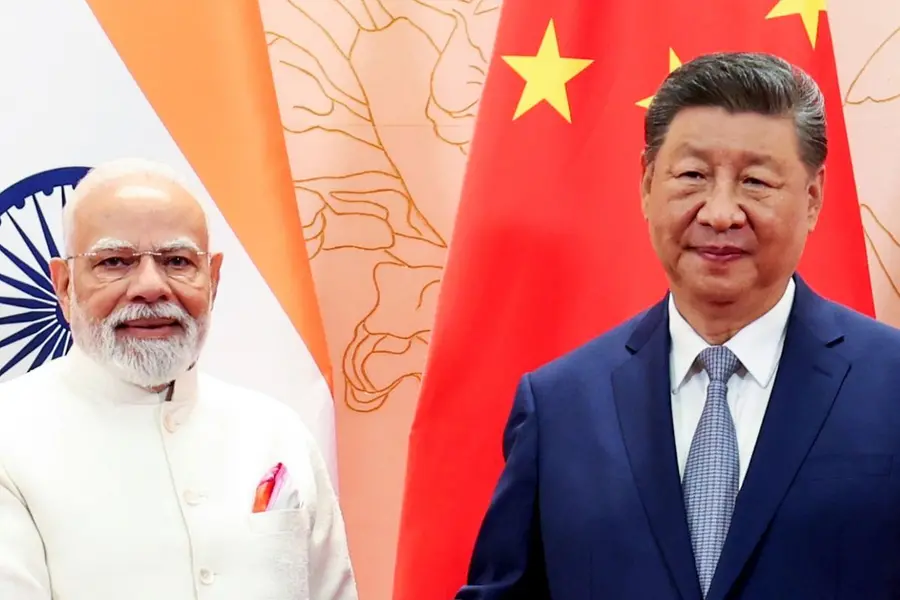
Tianjin: The Ministry of External Affairs (MEA) on Sunday underlined that stable and friendly ties between India and China are vital not just for the economic growth of both nations, but also for advancing reformed multilateralism and building a multipolar world.
The statement came after Prime Minister Narendra Modi met Chinese President Xi Jinping on the sidelines of the Shanghai Cooperation Organisation (SCO) Summit in Tianjin, marking a significant step in India-China relations. The two leaders last met in Kazan in 2024.
MEA spokesperson Randhir Jaiswal, in a post on X, said, “PM Narendra Modi met President Xi Jinping on the sidelines of the SCO Summit in Tianjin. The two leaders reviewed the progress of India-China bilateral relations since their meeting in Kazan last year. Stable and amicable ties between India and China are important for our economic growth, for reformed multilateralism and for a multipolar world and Asia.”
Both leaders expressed support for the work of the two Special Representatives on the boundary question and stressed the need to maintain peace and stability along the border. They also agreed to further enhance people-to-people exchanges and predictable trade and economic cooperation, which, Jaiswal noted, contributes to stabilising the global economy.
From the Chinese side, the Ministry of Foreign Affairs highlighted that this year marks the 75th anniversary of diplomatic ties between India and China. President Xi Jinping called for viewing the relationship from a “strategic and long-term perspective” and using the Tianjin summit as an opportunity to push for sustained and stable growth in bilateral ties.
Xi emphasised four key areas for cooperation:
- Strategic communication and trust – positioning India and China as partners rather than rivals, and seeing each other as development opportunities rather than threats.
- Expanded cooperation – focusing on economic development, where both countries are at a crucial stage of growth and revitalisation.
- Mutual respect and coexistence – upholding the Five Principles of Peaceful Coexistence, and ensuring the border issue does not define the overall relationship.
- Multilateral collaboration – working together to defend fairness and justice in international affairs, strengthen multilateralism, and contribute to a multipolar and democratic global order.
Both sides reaffirmed the importance of keeping relations steady, broad-based, and forward-looking, with an eye on regional peace and prosperity.
Published: 31 Aug 2025, 02:40 pm IST
Related Topics
Disclaimer: Kindly avoid objectionable, derogatory, unlawful and lewd comments, while responding to reports. Such comments are punishable under cyber laws. Please keep away from personal attacks. The opinions expressed here are the personal opinions of readers and not that of Mathrubhumi.
