
The government’s remaining options involve a more traditional constitutional path.
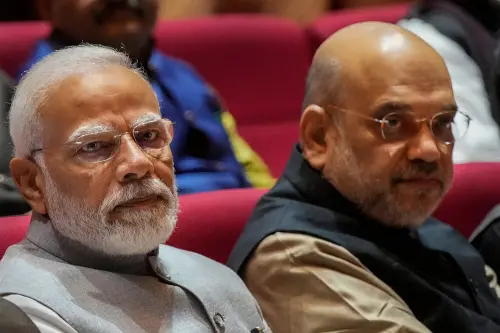
The Narendra Modi administration faced its first floor defeat in twelve years on Friday when the Constitution (131st Amendment) Bill failed to pass the Lok Sabha. Although 298 members supported the legislation, the 230 votes against it meant the government fell short of the 352 votes required to reach a two-thirds constitutional majority. Following the result, the government confirmed the withdrawal of linked proposals, including a bill regarding delimitation.
A historic parliamentary reversal
This event is unique because it marks the first time a bill introduced by the current government has been voted down in Parliament. While the administration previously retreated on initiatives like the farm laws or land acquisition following public pressure, those were formal withdrawals rather than losses during a division of votes. This specific defeat is notable as the government moved forward with the vote despite lacking the necessary numbers for a constitutional amendment.
The failure is a significant personal setback for Prime Minister Modi, whose direct appeal for a vote based on personal ethics was ignored by a unified opposition. Even an eleventh-hour offer from Home Minister Amit Shah to increase Lok Sabha seats by 50 per cent across all states failed to sway critics. Opponents remained convinced the bill was a strategic move to alter the political map to the governing party's benefit and reduce the influence of southern states.
National protests and electoral strategy
In response, the National Democratic Alliance (NDA) has initiated a massive countrywide protest movement. The BJP has instructed its state branches to hold demonstrations at every district headquarters to characterise the opposition as an obstacle to gender equality. This campaign will heavily involve the BJP Mahila Morcha and focus on social media and street-level outreach.
The ruling alliance intends to make the defeat a central theme in upcoming elections in Tamil Nadu and West Bengal. By portraying the opposition's stance as regressive, the NDA aims to build public support for its plan to implement the quota by 2029.
Opposition unity and future routes
For the INDIA bloc, the defeat represents a successful demonstration of floor coordination between diverse parties like the Congress, Left, and Trinamool Congress. They successfully blocked what they termed "delimitation by stealth," fearing the bill would lead to unfair redrawing of constituencies before the 2029 elections. However, the Telugu Desam Party and AIADMK were noted for supporting the bill based on verbal assurances despite potential seat losses in their home regions.
The government’s remaining options involve a more traditional constitutional path. This includes completing the 2026–27 Census and referring the expansion of the Lok Sabha to a parliamentary committee to seek a genuine consensus. While the government is unlikely to separate the reservation from delimitation, the current defeat forces a pause until the census is concluded.
Published: 18 Apr 2026, 10:49 am IST
Disclaimer: Kindly avoid objectionable, derogatory, unlawful and lewd comments, while responding to reports. Such comments are punishable under cyber laws. Please keep away from personal attacks. The opinions expressed here are the personal opinions of readers and not that of Mathrubhumi.
