
Control rooms have been established in 22 states to monitor distribution. Citizens are advised against panic buying as inventories are sufficient
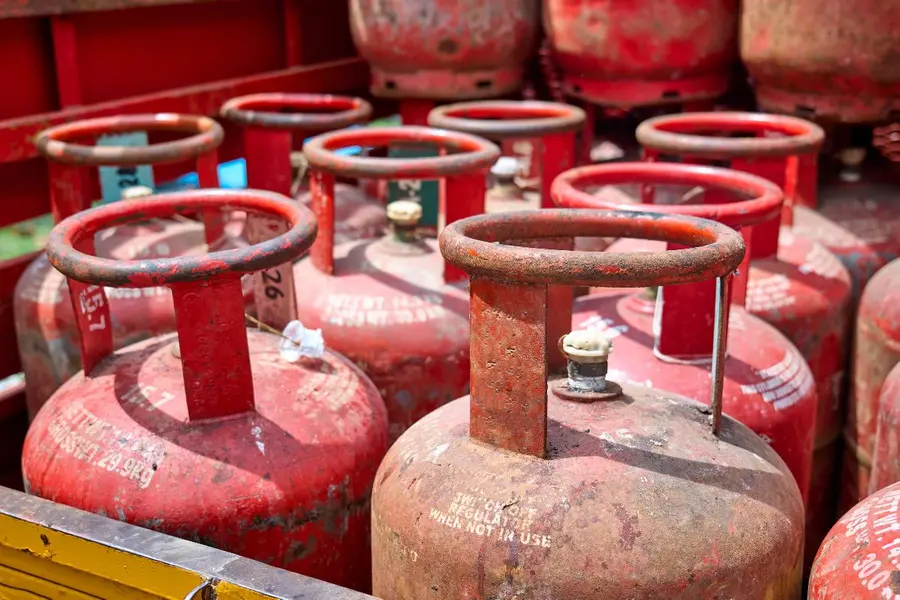
LPG bookings across India dropped by nearly one million within a day as authorities intensified monitoring of fuel supplies and states launched enforcement actions against hoarding and black marketing of gas cylinders.
Why have LPG bookings declined?
Also Read

Liquefied petroleum gas (LPG) bookings fell significantly, dropping from 8.88 million on March 13 to about 7.7 million on March 14, according to the petroleum ministry’s daily update.
Officials said LPG supply across the country continues to be closely monitored due to the prevailing geopolitical situation, although there have been no reports of dry-outs at LPG distributorships.
What steps are states taking to prevent hoarding?
State governments have launched enforcement measures to curb hoarding and black marketing of petrol, diesel and LPG cylinders.
Several states have already carried out raids. In Uttar Pradesh, authorities conducted 1,483 inspections, which resulted in 24 FIRs and six arrests related to illegal LPG cylinder hoarding.
Joint enforcement operations were also carried out in Maharashtra and Rajasthan, while states such as Andhra Pradesh and Bihar have taken action to monitor supply chains and prevent illegal stockpiling.
How are governments monitoring fuel supplies?
High-level meetings have been held across multiple states and union territories to review LPG availability and ensure uninterrupted distribution.
The petroleum ministry said 22 states and union territories have set up control rooms to track supply levels and prevent panic booking by consumers.
Authorities emphasised that state governments play a critical role in supervising the distribution of essential commodities, including cooking gas, petrol and diesel.
Is there any shortage of petrol, diesel or LPG?
The petroleum ministry clarified that fuel supply in India remains stable.
All refineries are operating at high capacity and maintaining adequate crude oil inventories, ensuring regular availability of petroleum products. Oil marketing companies have also reported no cases of fuel shortages at retail outlets.
India remains self-sufficient in petrol and diesel production, and imports are not required to meet domestic demand.
Which companies supply fuel in India?
Fuel retailing in India is largely handled by three state-run oil marketing companies:
- Indian Oil Corporation
- Bharat Petroleum Corporation Limited
- Hindustan Petroleum Corporation Limited
These companies operate the majority of fuel retail outlets across the country.
How are global oil prices affecting the situation?
International oil prices have risen sharply amid geopolitical tensions. The Brent crude price climbed to $103.14 per barrel on March 13, marking an increase of more than 41.5% since the Iran conflict began about two weeks ago.
Despite the global volatility, petrol and diesel prices in India have largely remained unchanged since March 2024, when prices were cut by ₹2 per litre.
What are authorities advising citizens?
The government has urged citizens not to panic buy fuel or LPG, stating that adequate stocks are available nationwide.
Officials said arrangements are in place to ensure regular supply and distribution, and monitoring will continue to prevent hoarding or market disruptions.
Published: 16 Mar 2026, 07:57 am IST
Related Topics
Disclaimer: Kindly avoid objectionable, derogatory, unlawful and lewd comments, while responding to reports. Such comments are punishable under cyber laws. Please keep away from personal attacks. The opinions expressed here are the personal opinions of readers and not that of Mathrubhumi.