
India-born cheetah Mukhi has given birth to five healthy cubs at Kuno National Park, marking a historic first for Project Cheetah and boosting India’s cheetah conservation efforts.
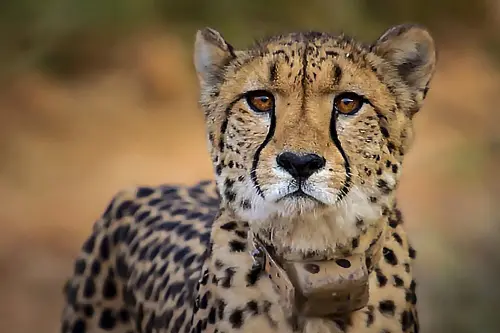
Bhopal: In a major milestone for India’s ambitious Cheetah Reintroduction (Translocation) Project, an India-born female cheetah named Mukhi has given birth to five healthy cubs at Kuno National Park, the first recorded case of successful reproduction by a cheetah born on Indian soil.
Madhya Pradesh Chief Minister Dr Mohan Yadav announced the development on X, calling it “a historic milestone” and “an unprecedented breakthrough” for the project.
“A historic milestone has been achieved as Indian-born cheetah Mukhi has given birth to five cubs in Kuno National Park, Madhya Pradesh. The mother and cubs are doing well. This is an unprecedented breakthrough for India’s cheetah reintroduction initiative. Mukhi, the first Indian-born female cheetah at 33 months of age, has now become the first India-born cheetah to reproduce, making it a landmark achievement for Project Cheetah. The successful reproduction of an India-born cheetah is a strong indicator of the species’ adaptation, health, and long-term prospects in Indian habitats. This significant step forward strengthens optimism about establishing a self-sustaining and genetically diverse cheetah population in India, further advancing the nation’s conservation goals."
Officials say the event marks a significant step forward, demonstrating the cheetahs’ successful adaptation to Indian habitats and strengthening hopes of establishing a self-sustaining population.
Mukhi’s own story reflects resilience. Born in March 2023 to Namibian cheetah Jwala under the world’s first intercontinental cheetah translocation project, she was the only survivor in a litter of four after her siblings died during extreme heat. Hand-reared by park staff after being abandoned by her mother, she has now produced a notably large litter by cheetah standards.
“This successful reproduction by an India-born cheetah is a strong indicator of the species’ health and adaptation,” Dr Yadav said, adding that the achievement supports India’s wider conservation goals under Prime Minister Narendra Modi’s leadership.
Park authorities said Mukhi and her cubs are being monitored round the clock using radio collars and camera traps, and are in excellent health.
Wildlife experts have described the birth as a “turning point”, demonstrating that cheetahs can not only survive but also thrive and breed across generations in India.
Launched on September 17, 2022, by Prime Minister Modi, Project Cheetah is the world’s first attempt to reintroduce cheetahs, declared extinct in India in 1952, through translocation from Africa. The initial groups included eight cheetahs from Namibia and 12 from South Africa.
Despite early setbacks, including a number of adult deaths, the project has recorded more than two dozen cubs born in India, with survival rates reported to be above global averages.
With Kuno now home to second-generation cheetahs, authorities are preparing to expand habitats to new sites, including Gandhi Sagar Sanctuary. The latest birth further cements India’s standing as a global leader in large-scale wildlife restoration.
IANS
Published: 20 Nov 2025, 06:21 pm IST
Related Topics
Disclaimer: Kindly avoid objectionable, derogatory, unlawful and lewd comments, while responding to reports. Such comments are punishable under cyber laws. Please keep away from personal attacks. The opinions expressed here are the personal opinions of readers and not that of Mathrubhumi.
