
As Karwa Chauth approaches on October 10, married women across India prepare for a day-long fast and special rituals dedicated to love and devotion.
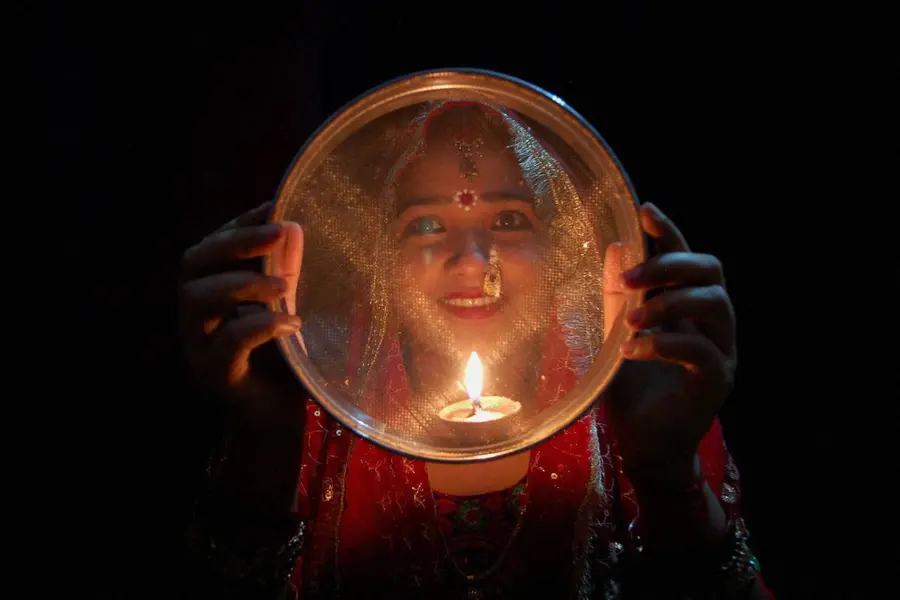
As the auspicious festival of Karwa Chauth approaches, married Hindu women across India prepare to observe a no-water fast for the well-being and longevity of their husbands. The annual festival, celebrated on Krishna Paksha Chaturthi during the Hindu month of Kartik, is one of the most sacred observances in North India and among Hindu communities worldwide.
When is Karwa Chauth in 2025?
The question on everyone’s mind this year – is Karwa Chauth on October 9 or 10?
According to Drik Panchang, the festival will be celebrated on Friday, October 10, 2025, based on Udayatithi, the lunar day that prevails at sunrise. The Krishna Paksha Chaturthi Tithi begins at 10:54 PM on Thursday, October 9, and ends at 7:38 PM on Friday, October 10.
Puja Muhurat and Moonrise timings
The most auspicious time for the Karwa Chauth Puja falls during the Pradosh Kaal, the period after sunset and before moonrise. This year, the puja muhurat is from 5:57 PM to 7:11 PM, giving devotees a 1-hour and 14-minute window to perform rituals and offer prayers to Karwa Mata.
As per tradition, the fast concludes only after sighting the moon and performing Arghya – the ritual offering of water to the moon god. The moonrise is expected at 8:13 PM this year, marking the end of the day-long nirjala (no-water) fast. Women begin their fast at 6:19 AM, observing nearly 14 hours of fasting until moonrise.
Date and time details
- Chaturthi Tithi begins: October 9, 2025 - 10:54 PM
- Chaturthi Tithi ends: October 10, 2025 - 7:38 PM
- Karwa Chauth Puja Muhurat: October 10, 2025 - 5:57 PM to 7:11 PM
- Moonrise: October 10, 2025 - 8:13 PM
- Fasting duration: 6:19 AM to 8:13 PM
Spiritual significance of Karwa Chauth
Karwa Chauth is considered one of the most sacred festivals for married Hindu women, symbolising love, devotion, and the strength of marital bonds. Women undertake a nirjala fast – abstaining from both food and water – praying for their husband’s health and long life. The festival is celebrated with enthusiasm across India and by Indian communities abroad.
While primarily observed by married women, unmarried girls in some regions also observe the fast, praying for an ideal life partner. The day before the festival, women apply mehndi (henna), a symbol of good fortune, and prepare for the rituals with festive attire, traditional songs, and prayers.
Rituals and observances
- Morning preparations: The day begins early, often with women taking a holy bath and consuming sargi – a pre-dawn meal prepared by the mother-in-law.
- Fasting: Women wear new traditional clothes, apply henna, and observe a fast from sunrise to moonrise without food or water.
- Evening puja: Before sunset, women gather to worship Chauth Mata, recite the vrat katha (fasting story), and offer the prepared food to the goddess.
- Arghya ritual: Offerings are made to the setting sun, and after moonrise, women view the moon through a sieve before looking at their husband’s face. The fast is then broken when the husband offers water and the first morsel of food.
- Post-fast meal: The fast concludes with the consumption of sattvik (pure) food.
The symbolism of the sieve
One of the most iconic aspects of Karwa Chauth is the ritual involving the sieve (chalni). After moonrise, women view the moon through a sieve before turning it towards their husbands — a custom rich in symbolic meaning.
- Filtering negativity: Just as a sieve separates impurities, it symbolises removing negativity and misfortune from one’s marital life.
- Unity through barriers: The sieve represents challenges that couples overcome together, reinforcing unity and resilience.
- Focus and devotion: Looking through the sieve focuses the mind and heart on love, commitment, and mutual respect between partners.
The humble kitchen sieve thus transforms into a powerful symbol of purity, spiritual focus, and enduring devotion – turning a simple household tool into a sacred part of one of India’s most heartfelt traditions.
[Disclaimer: This article is based on beliefs and is intended for general guidance only. Individual experiences may differ. Mathrubhumi English does not guarantee the accuracy or authenticity of any claims or information provided.]
Published: 04 Oct 2025, 03:08 pm IST
Related Topics
Disclaimer: Kindly avoid objectionable, derogatory, unlawful and lewd comments, while responding to reports. Such comments are punishable under cyber laws. Please keep away from personal attacks. The opinions expressed here are the personal opinions of readers and not that of Mathrubhumi.
