
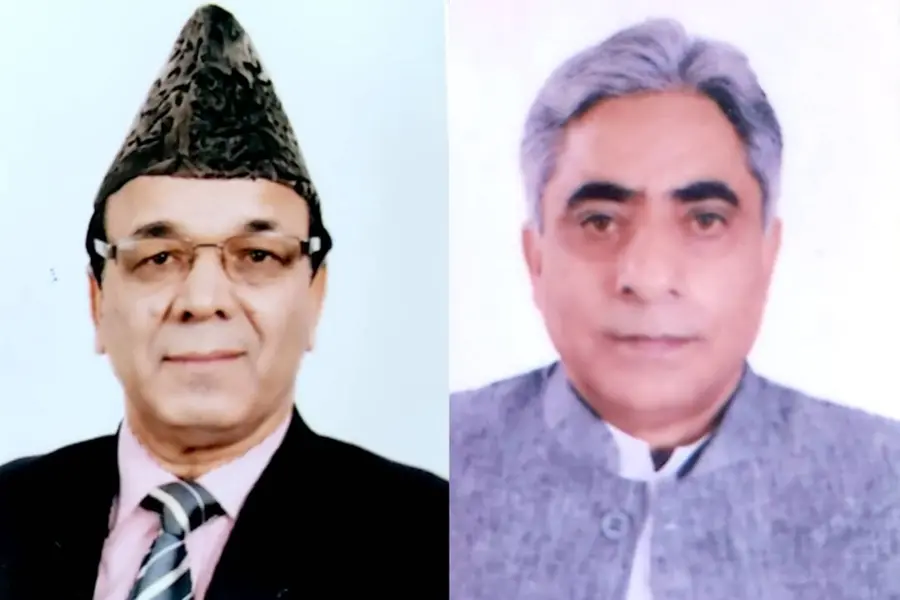
Advocate Abdul Rahim Rather of the Jammu & Kashmir National Conference won the Charar-e-Sharief seat in Jammu and Kashmir on Tuesday, defeating Ghulam Nabi Lone of the Jammu & Kashmir Peoples Democratic Party by more than 11,496 votes, according to the Election Commission. Lone received 24,461 votes, while Hakeem Mohammad Yaseen Shah of the Jammu and Kashmir Peoples Democratic Front (Secular) finished with 4,401 votes, losing by 31,556 votes.
Main Contenders and Their Backgrounds
The constituency witnessed a fierce political showdown, with seasoned politicians Abdul Rahim Rather from the National Conference (NC) and Ghulam Nabi Lone Hanjura from the People’s Democratic Party (PDP) emerging as the primary contenders. Abdul Rahim Rather, born in 1944, was a veteran politician and a six-time MLA representing the NC from Charar-e-Sharief. His extensive experience included serving as the Speaker and holding key ministries, including Finance, in various NC-led governments. With a robust political base, Rather was seen as a formidable candidate in this election.
On the other hand, Ghulam Nabi Lone Hanjura, an advocate by profession, was also a former cabinet minister affiliated with the PDP. Elected as an MLA in 2014, Lone's legal background and political experience bolstered his candidacy. The recent delimitation process, which added approximately 30 villages and 18,000 voters from the Khansahib constituency, made the electoral outcome even more unpredictable.
Challenges and Local Issues
The constituency faced numerous challenges, including high unemployment rates and poor infrastructure. The lack of industries limited job opportunities, making it difficult for educated individuals to find work. Despite ongoing road improvements, many main and link roads remained unpaved. Public transport options were limited, particularly in rural areas, where residents often waited long hours for transportation.
Education and healthcare facilities were also pressing issues. While primary to graduate-level education was accessible, higher education required travel to Srinagar, and the quality of education in government schools lagged behind private institutions. Furthermore, patients often needed to travel to larger cities for specialised medical treatment, as local healthcare facilities struggled with doctor shortages and insufficient medical supplies.
Constituency Profile and Electorate Size
The Charar-e-Sharief constituency had a total voter strength of 103,126, comprising 52,288 males and 50,832 females. Historically dominated by the NC, this constituency witnessed a shift in 2014 when Hanjura defeated Rather by a margin of 5,167 votes. The previous assembly elections saw a turnout of 78,359 electors, with 64,600 valid votes cast. The recent election was crucial for both parties as they strived to consolidate their support bases.
Election Results
As per the latest Election Commission data, JKNC won 39 seats and led in 3, while Congress won 6 seats in Jammu and Kashmir. The BJP secured victory in 27 seats and led in 2. The Assembly elections in Jammu and Kashmir, held on September 18, September 25, and October 1, witnessed a 63.88% voter turnout, marking the first elections since the abrogation of Article 370. Major parties, including the Jammu and Kashmir National Conference and Congress as part of the INDIA alliance, contested the elections jointly, while the PDP and BJP fought independently.
Published: 08 Oct 2024, 12:15 am IST
Related Topics
Disclaimer: Kindly avoid objectionable, derogatory, unlawful and lewd comments, while responding to reports. Such comments are punishable under cyber laws. Please keep away from personal attacks. The opinions expressed here are the personal opinions of readers and not that of Mathrubhumi.
