
Addressing concerns about the impact on existing vehicles, the Centre said multiple studies by ARAI, SIAM, IIP, Indian Oil Corporation Ltd (IOCL) and automobile manufacturers found no evidence of abnormal wear and tear
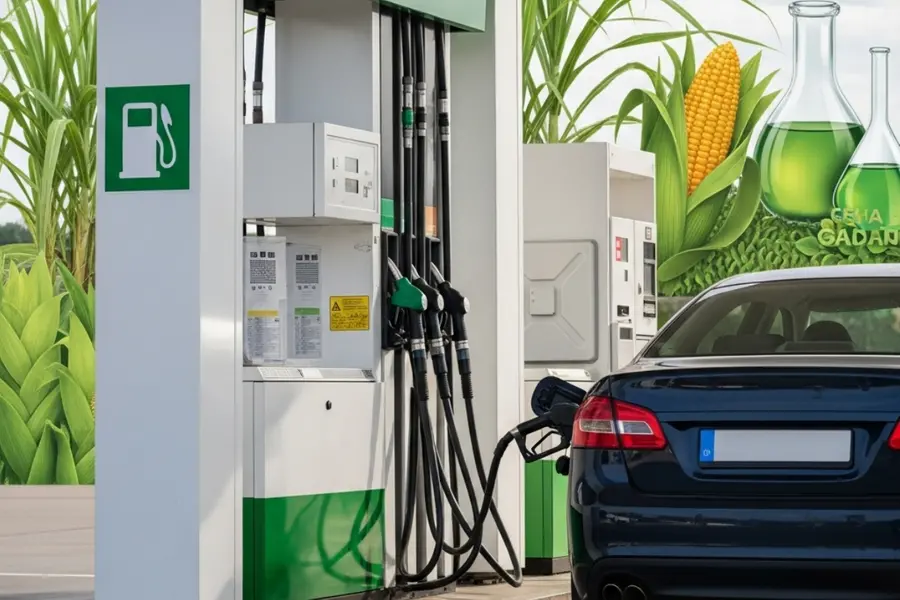
As India moves closer to its target of 20 per cent ethanol blending in petrol (E20), many motorists—particularly owners of older vehicles—have been asking the same question: Will E20 fuel affect my car's performance or damage the engine?
The Centre says the answer is no.
Also Read

Responding to questions in the Rajya Sabha, the government said the nationwide rollout of E20 petrol was preceded by years of scientific testing and validation by the Automotive Research Association of India (ARAI) and other leading automotive and fuel research institutions. According to the government, the fuel was introduced only after extensive studies confirmed it was safe for use under prescribed standards.
Minister of State for Petroleum and Natural Gas Suresh Gopi said the Ethanol Blended Petrol (EBP) Programme was rolled out through "a phased, calibrated, scientifically validated and consultative approach" involving NITI Aayog, Oil Marketing Companies, the Automotive Research Association of India (ARAI), the Society of Indian Automobile Manufacturers (SIAM), the Indian Institute of Petroleum (IIP), automobile manufacturers and other technical institutions.
According to the minister, researchers conducted extensive laboratory studies, durability trials and real-world validation before approving E20 petrol for public use.
The evaluation covered engine durability, material compatibility, corrosion resistance, drivability, emissions, fuel economy and overall vehicle performance. The government said E20-compatible vehicles are certified for sale only after completing the prescribed homologation process and undergoing comprehensive testing.
Addressing concerns about the impact on existing vehicles, the Centre said multiple studies by ARAI, SIAM, IIP, Indian Oil Corporation Ltd (IOCL) and automobile manufacturers found no evidence of abnormal wear and tear or compatibility issues when E20 is used according to prescribed standards.
The government further said the findings went beyond safety.
According to the reply, SIAM and ARAI concluded that E20 petrol can improve vehicle acceleration and ride quality while helping reduce carbon emissions.
In a separate written reply, the Centre reiterated that extensive laboratory studies and field trials by ARAI, SIAM, IOCL, IIP and automobile manufacturers confirmed that legacy vehicles—older vehicles already on Indian roads—"do not exhibit any significant variation in performance or abnormal wear due to the fuel."
It added that these conclusions are backed not only by laboratory testing but also by field validation and real-world operating experience.
For now, the government has also ruled out any immediate move beyond the current blending target.
It said there is no proposal at present to increase ethanol blending in petrol beyond 20 per cent or introduce ethanol blending in diesel for commercial use.
According to the government, any future decision will depend on comprehensive scientific evaluation, vehicle compatibility studies, stakeholder consultations and adequate domestic production capacity.
The clarification comes as India continues expanding its ethanol blending programme to reduce crude oil imports, lower carbon emissions and strengthen energy security, while reassuring consumers that the transition to cleaner fuels has been backed by extensive scientific testing rather than policy alone.
Published: 21 Jul 2026, 12:41 pm IST
Related Topics
Disclaimer: Kindly avoid objectionable, derogatory, unlawful and lewd comments, while responding to reports. Such comments are punishable under cyber laws. Please keep away from personal attacks. The opinions expressed here are the personal opinions of readers and not that of Mathrubhumi.