
Even as officials insist the outbreak is under control, Indore’s contaminated water crisis has left 142 people hospitalised, sparked protests, and triggered sharp political and administrative fallout.
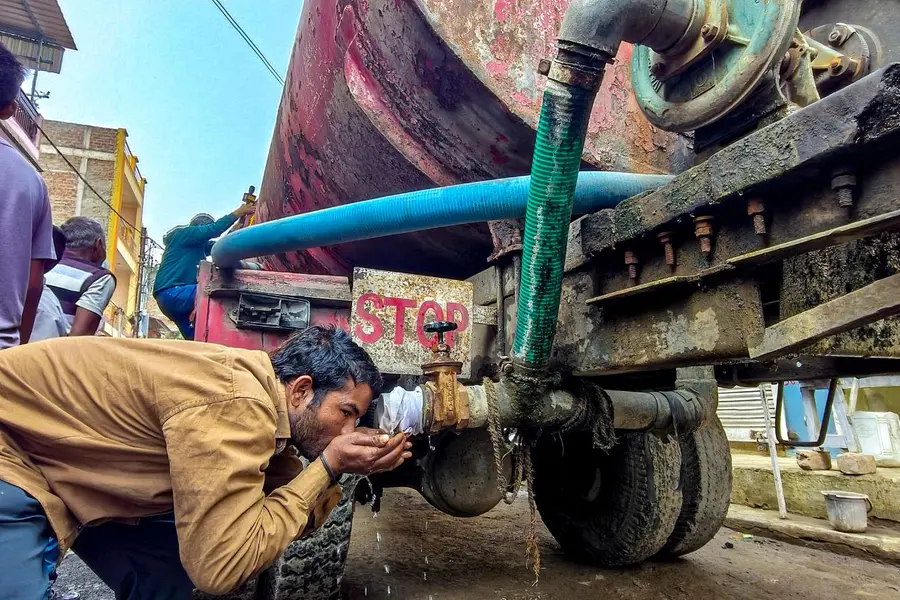
The water contamination crisis in Indore continues to trigger serious health and political repercussions, with 142 people currently hospitalised, including 11 patients in intensive care units, following a diarrhoea outbreak caused by polluted drinking water in the Bhagirathpura area.
Health officials said 20 new diarrhoea cases were detected during an extensive door-to-door screening of 9,416 people across 2,354 households in Bhagirathpura, the epicentre of the outbreak. The area has reported six officially confirmed deaths, though the toll remains contested, intensifying public anger.
Also Read

Authorities stated that 398 people have been admitted to hospitals since the outbreak began, of whom 256 have recovered and been discharged. While officials maintain that the situation is now “under control,” the steady discovery of fresh cases has kept residents on edge.
Municipal Commissioner Kshitij Singhal said the civic administration has intensified water supply and awareness measures in the affected pockets. “The water supply system in the area is functioning and there are no major disruptions, though this particular locality has been slightly impacted.
Residents are being regularly informed and advised about safe drinking water practices, and feedback is being actively collected,” Singhal said. He added that around 62 municipal water tankers are currently deployed to ensure an uninterrupted supply of potable water to Bhagirathpura and surrounding localities until the situation is fully stabilised.
Chief Medical and Health Officer Dr Madhav Prasad Haasani confirmed that a team from the National Institute for Research in Bacterial Infections (NIRBI), Kolkata, has reached Indore to investigate the outbreak. The experts are providing technical assistance to identify the source of contamination and prevent further spread.
The administration has acknowledged six deaths, but the figures have become politically contentious. Indore Mayor Pushyamitra Bhargava earlier stated that 10 people had died, while residents have alleged that 16 people, including a six-month-old infant, lost their lives due to contaminated water.
Also read: Indore: Collector confirms 6 dead, 200+ hospitalised after contaminated water outbreak
Public outrage has spilled onto the streets, with Congress launching bell-ringing protests across Madhya Pradesh, demanding the resignation of senior BJP leader and state minister Kailash Vijayvargiya. The protests were triggered by Vijayvargiya’s controversial use of the word “ghanta” while responding to reporters’ questions on the crisis on December 31, a remark widely perceived as dismissive.
State Congress president Jitu Patwari demanded a judicial inquiry into the deaths and sought the registration of a culpable homicide case against the Indore mayor and civic officials. Patwari warned of a statewide agitation from January 11 if corrective measures were not taken.
He alleged that Bhagirathpura residents had complained for over eight months about foul-smelling and contaminated tap water, claims that authorities failed to act upon. He further alleged that even water supplied through municipal tankers remained unsafe.
Amid the political fallout, a sub-divisional magistrate (SDM) in neighbouring Dewas was suspended for allegedly copying portions of a Congress memorandum verbatim in an official order related to protest management. Ujjain division revenue commissioner Ashish Singh cited “serious negligence” and administrative impropriety.
Renowned water conservationist Rajendra Singh, a Ramon Magsaysay Award winner known as the “Waterman of India,” termed the episode a “system-created disaster.” He alleged corruption in urban infrastructure planning, claiming sewage leakage into water pipelines due to poor execution and cost-cutting by contractors.
“If such a tragedy can occur in India’s cleanest city, it raises alarming questions about drinking water safety nationwide,” Singh said, warning that declining groundwater levels and flawed urban planning could trigger similar crises elsewhere.
Published: 05 Jan 2026, 10:02 am IST
Related Topics
Disclaimer: Kindly avoid objectionable, derogatory, unlawful and lewd comments, while responding to reports. Such comments are punishable under cyber laws. Please keep away from personal attacks. The opinions expressed here are the personal opinions of readers and not that of Mathrubhumi.