
Ambassador Parvathaneni Harish reiterates that Jammu and Kashmir “will always remain an integral part of India” during UN Security Council debate on UN Day
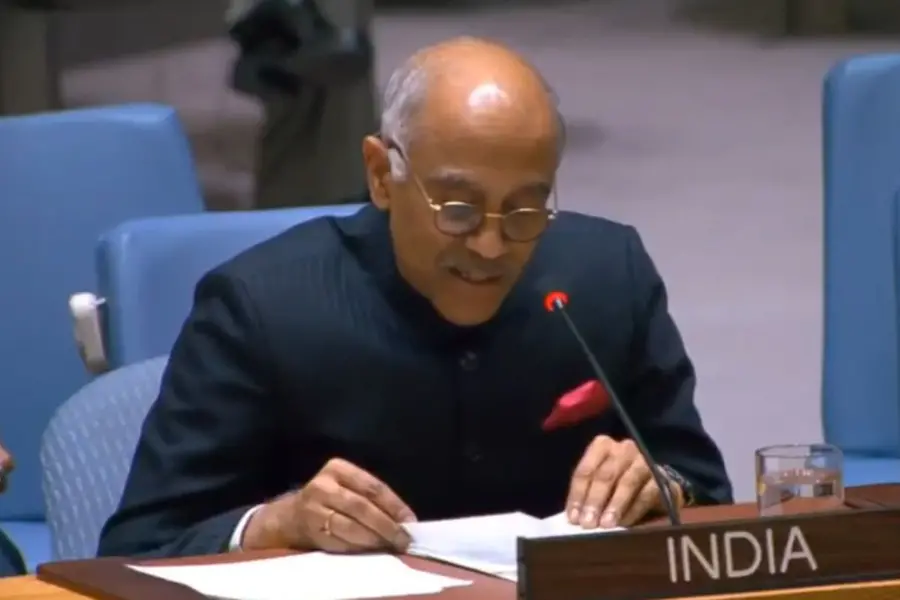
India issued a sharp diplomatic rebuke to Pakistan at the United Nations Security Council (UNSC) on Friday, accusing Islamabad of “grave and ongoing human rights violations” in the territories it “illegally occupies” in Jammu and Kashmir.
Addressing an open debate marking the 80th UN Day, India’s Permanent Representative to the UN, Ambassador Parvathaneni Harish, called on Pakistan to end decades of “repression, brutality and illegal exploitation of resources” in Pakistan-occupied Kashmir.
“We call upon Pakistan to end the grave and ongoing human rights violations in the areas illegally occupied by it, where the population is in open revolt against Pakistan’s military occupation, repression, brutality and illegal exploitation of resources,” Harish told the Council.
Reaffirming India’s consistent stand on the region, the envoy stated unequivocally that Jammu and Kashmir has been, is, and will always remain an integral and inalienable part of India. He added that while the people of the Union Territory enjoy their constitutional and democratic rights under India’s legal framework, such freedoms remain “alien to Pakistan.”
India reasserts democratic ideals and global vision
The Ambassador underscored India’s guiding philosophy of Vasudhaiva Kutumbakam — “the world is one family” — as the foundation of its foreign policy, rooted in justice, dignity, opportunity, and prosperity for all.
“This is not only an outlook that anchors our worldview, but also the reason why India has consistently advocated for justice, dignity, opportunity and prosperity for all societies and peoples,” Harish said. “It is also the reason why India places its faith in multilateralism, international partnerships and cooperation.”
UN’s role and global relevance under scrutiny
In his remarks, Harish reflected on the UN’s achievements since its founding after World War II, describing it as a “beacon of hope for international peace and security.” He noted, however, that the organisation now faces tough questions about its relevance, legitimacy, and credibility amid global conflicts and geopolitical challenges.
“The United Nations advanced decolonisation; it has been instrumental in the emergence of new nation-states in the Global South; it drew up ambitious markers for economic growth, social development, and prosperity; it focused our minds on global challenges such as pandemics, countering terrorism and climate change," he added.
October 24 marks the anniversary of the entry into force of the UN Charter in 1945.
Published: 25 Oct 2025, 07:59 am IST
Disclaimer: Kindly avoid objectionable, derogatory, unlawful and lewd comments, while responding to reports. Such comments are punishable under cyber laws. Please keep away from personal attacks. The opinions expressed here are the personal opinions of readers and not that of Mathrubhumi.
