
This rise contrasts with the UK and US decline, now 6th and 10th respectively, attributed to stricter immigration policies
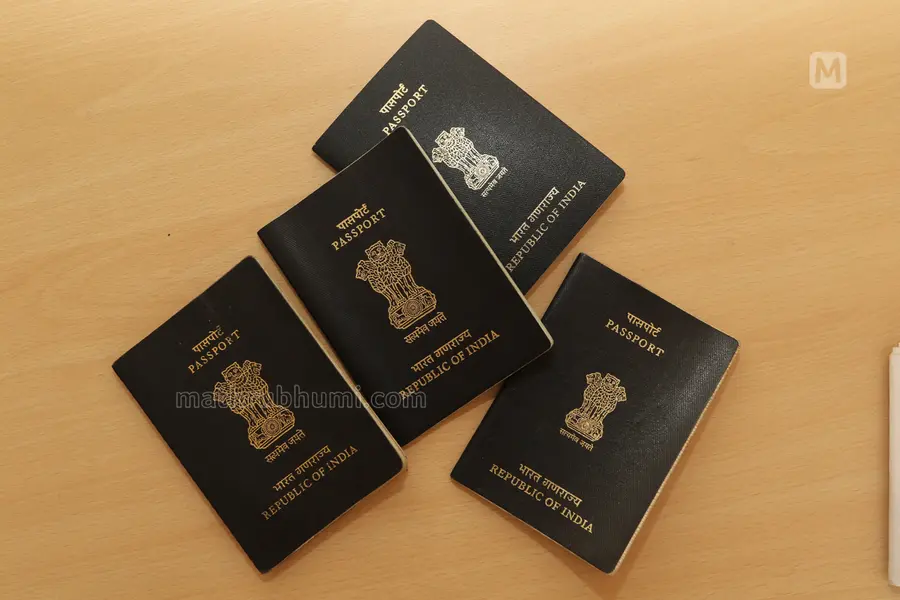
New Delhi: India has achieved its most significant leap yet in global mobility, climbing an impressive eight spots to 77th position in the latest Henley Passport Index for 2025. This advancement grants Indian passport holders visa-free or visa-on-arrival access to 59 destinations worldwide, marking a notable step forward in the nation's diplomatic outreach and international standing.
The updated index, released today, highlights a dynamic shift in global passport power, with Asian nations increasingly asserting their dominance. While India celebrates its upward trajectory, traditional powerhouses like the United Kingdom and the United States continue their long-term decline in the rankings, reflecting evolving geopolitical landscapes and immigration policies.
India's resurgence: A testament to diplomacy
India's jump from 85th to 77th place is a clear indicator of its growing diplomatic influence and strengthening bilateral agreements. Despite adding only two new visa-free destinations since the last index, the substantial improvement in rank underscores how other nations' standings have shifted, allowing India to gain significant ground. This reflects the increasing recognition and importance of Indian travellers on the global stage.
UK and US losing ground: A decade-long trend
In contrast to India's rise, both the United Kingdom and the United States have slipped further down the rankings. The UK now stands at 6th place, offering visa-free access to 186 destinations, while the US has fallen to 10th, with access to 182 destinations. This marks a continuous downward trend for both nations, which once held the title of the world's most powerful passports in 2015 (UK) and 2014 (US), respectively.
Experts attribute this decline to more "inward-looking immigration policies" adopted by these Western powers. Dr. Juerg Steffen, CEO of Henley & Partners, noted that "your passport is no longer just a travel document—it's a reflection of your country's diplomatic influence and international relationships." This sentiment is echoed by Dr. Christian H. Kaelin, the inventor of the passport index concept, who added that "traditional mobility champions are losing ground in an increasingly multi-polar world. As emerging economies liberalise their visa regimes and invest in diplomatic capital, legacy powers like the UK and the US appear to be retreating behind more restrictive entry policies."
The US, in particular, is now on the brink of exiting the Top 10 for the first time in the index's 20-year history, signalling a significant shift in global mobility dynamics.
Asian leadership and other notable movements
At the very top, Singapore proudly retains its crown as the world's most powerful passport, granting its citizens visa-free access to an impressive 193 destinations. Japan and South Korea share the second spot, each with access to 190 destinations. A strong contingent of European nations, including Germany, France, and Spain, occupy the subsequent top spots.
Among other notable climbers, Saudi Arabia made significant gains, adding four new visa-free destinations to reach 91, moving up four places to 54th. The United Arab Emirates (UAE) also demonstrated a dramatic long-term rise, jumping 34 spots in a decade to secure the 8th position. China, too, has shown impressive progress, climbing 34 places since 2015 to rank 60th.
Conversely, Afghanistan remains at the bottom of the index, with its passport holders able to access only 25 destinations without a prior visa.
The Henley Passport Index, based on exclusive data from the International Air Transport Association (IATA), continues to serve as a crucial indicator of global connectivity and the geopolitical landscape, highlighting how strategic alliances and diplomatic efforts are reshaping the freedom of international travel.
Published: 23 Jul 2025, 12:31 pm IST
Related Topics
Disclaimer: Kindly avoid objectionable, derogatory, unlawful and lewd comments, while responding to reports. Such comments are punishable under cyber laws. Please keep away from personal attacks. The opinions expressed here are the personal opinions of readers and not that of Mathrubhumi.
