
Union Minister Ashwini Vaishnaw told Parliament that Indian Railways passenger fares are fully transparent and heavily subsidised, ensuring affordability for all.
Union Minister for Railways Ashwini Vaishnaw clarified in the Lok Sabha that passenger fares in Indian Railways are not secret and are publicly available through ticketing systems, fare tables, and the RailOne mobile app.
The minister highlighted that Indian Railways provided a subsidy of ₹60,239 crore during 2024–25, meaning passengers paid roughly 57% of actual service costs, with additional concessions for students, persons with disabilities, and other priority groups. Fare components, including base fare, reservation charges, superfast charges, and GST, are fully detailed on tickets and online platforms.
Also Read

To enhance accessibility, priority lower berth allocations have been introduced for senior citizens, female passengers aged 45 and above, pregnant women, and persons with disabilities. Special quotas are also reserved for disabled passengers and their attendants in sleeper, 3AC, and chair car classes, ensuring convenience on long journeys.
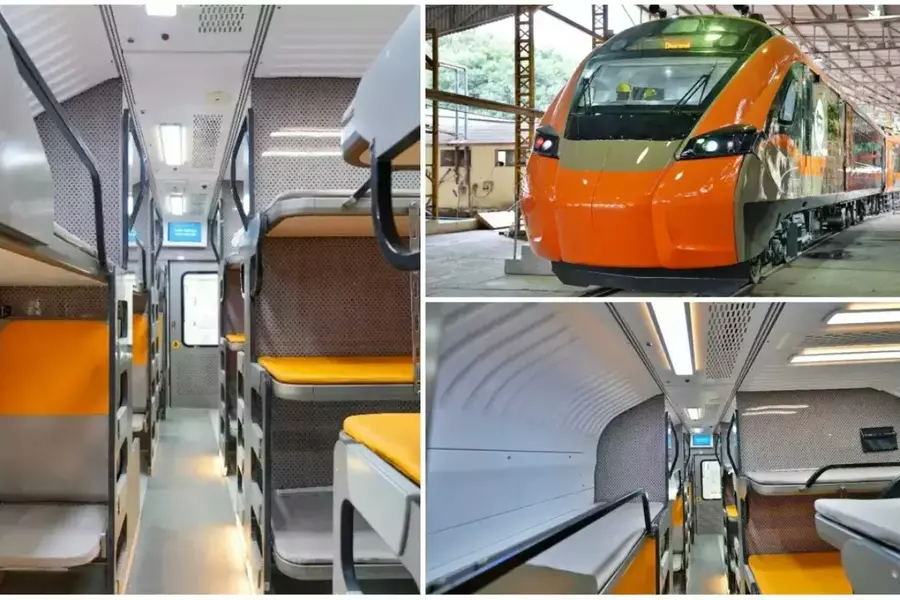
The Vande Bharat Sleeper Express, launched on January 22, 2026, on the Howrah–Kamakhya route, exemplifies modern, high-speed rail travel with enhanced safety features like KAVACH, CCTV, sealed gangways, and improved fire safety. Its fares, calculated per kilometre, remain substantially lower than comparable services in countries like China, Japan, and France.
The ministry reaffirmed its focus on balancing affordability and financial sustainability, providing a wide range of trains from low-cost passenger options to premium services, catering to the diverse needs of Indian travellers.
Passenger fares in Indian Railways remain fully transparent and accessible to the public, with details published via ticketing systems, fare tables, and mobile applications. Union Minister Ashwini Vaishnaw emphasized that the fares are not a trade secret and clarified the structure in response to Lok Sabha queries.
During the 2024–25 financial year, Indian Railways provided a total subsidy of ₹60,239 crore, representing an average concession of 43% per passenger. This means that for a service costing ₹100, passengers paid roughly ₹57. Concessions continue for specific groups including students, persons with disabilities, pregnant women, and senior citizens.
The fare structure includes base fare, reservation charges, superfast surcharges, and GST. Full fare breakdowns are displayed on tickets and accessible through platforms such as the Passenger Reservation System (PRS), Unreserved Ticketing System, and the RailOne app. Fare revisions are publicly announced whenever they occur.
To ensure accessibility, Indian Railways has introduced priority lower berth allocation for senior citizens, female passengers over 45, pregnant women, and persons with disabilities. Special quotas are also reserved for persons with disabilities and their attendants across various train classes. Vacant lower berths during journeys are prioritised for these groups.
The first Vande Bharat Sleeper Express service, launched in January 2026, runs between Howrah and Kamakhya. The train includes advanced safety features like KAVACH train protection system, semi-permanent jerk-free couplers, CCTV in all coaches, sealed gangways, centralised monitoring, and enhanced fire safety. Fares for Vande Bharat Sleeper are calculated on a per kilometre basis, ranging from ₹2.40–₹3.80 per km, substantially lower than similar international services.
The ministry stated that affordability remains a key priority, balanced against financial sustainability. By offering a mix of low-cost, standard, and premium train services, Indian Railways continues to serve diverse passenger needs across the country.
Published: 12 Mar 2026, 03:06 pm IST
Related Topics
Disclaimer: Kindly avoid objectionable, derogatory, unlawful and lewd comments, while responding to reports. Such comments are punishable under cyber laws. Please keep away from personal attacks. The opinions expressed here are the personal opinions of readers and not that of Mathrubhumi.