
Indian Army tenders for ‘Anant Shastra’ indigenous surface-to-air missile system to bolster air defence along western and northern borders.
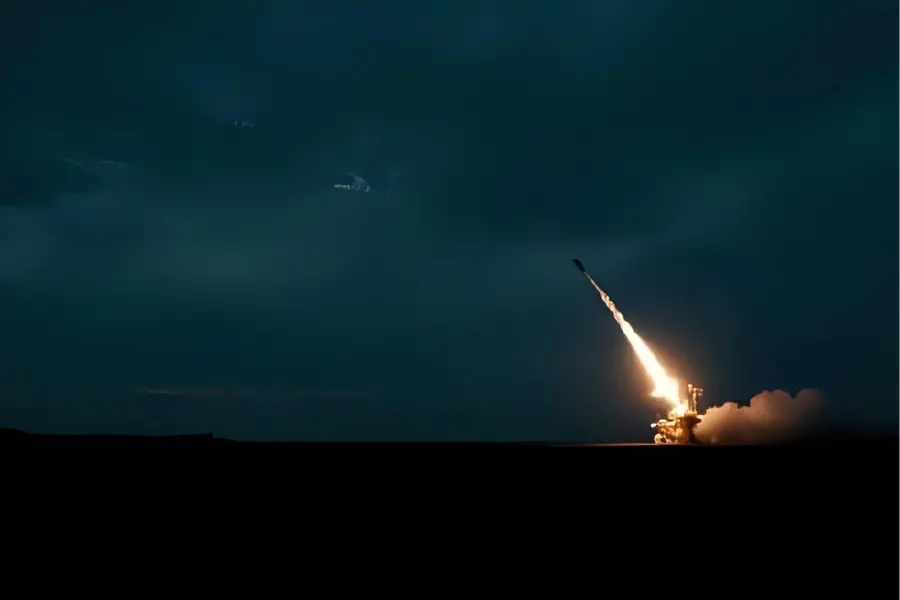
In a significant step toward indigenisation in India’s defence sector, the Indian Army has issued a tender to acquire five to six regiments of the indigenous ‘Anant Shastra’ surface-to-air missile system. The move is aimed at strengthening the Army’s air defence along the country’s western and northern borders with Pakistan and China.
The tender, issued to Bharat Electronics Limited (BEL), involves procurement of the Defence Research and Development Organisation (DRDO)-developed missile system, earlier known as the Quick Reaction Surface-to-Air Missile (QRSAM) system. Defence officials told ANI that the project is estimated to cost around INR 30,000 crore, highlighting the scale and strategic importance of the programme.
The Anant Shastra system is expected to significantly enhance the Army Air Defence’s operational capability. During Operation Sindoor in May, which saw Pakistani drones violating Indian airspace, the Army’s air defence units played a crucial role in neutralising threats. Currently, the Army Air Defence operates a combination of systems, including MR-SAM, Akash, and other smaller air defence platforms, in coordination with the Indian Air Force, to provide layered aerial protection.
Once approved, the Anant Shastra systems, which are highly mobile and agile, will be deployed strategically along both the western and northern borders. Defence sources noted that the missile systems can search and track targets while on the move, and can fire even during short halts. With a range of approximately 30 km, Anant Shastra is designed to complement existing short- to medium-range systems like MR-SAM and Akash, providing a robust and integrated air defence network.
The missile system has undergone extensive trials and has been evaluated for performance in both day and night operational scenarios, ensuring its reliability under real combat conditions. During the brief four-day conflict with Pakistan, which involved the use of Chinese-supplied drones by the opposing side, the Army Air Defence successfully destroyed the majority of the drones using L-70 and ZU-23 air defence guns. Systems like Akash and MR-SAM, together with the IAF’s Spyder and Sudarshan S-400 air defence systems, played a pivotal role in safeguarding the airspace.
In addition to the Anant Shastra system, the Indian Army is set to receive new radars, very short-range air defence systems, jammers, and laser-based platforms to tackle drones and aerial threats of Turkish and Chinese origin reportedly used by the Pakistan Army.
Army Chief Gen Upendra Dwivedi has been advocating strongly for increasing indigenisation across the force. In line with this vision, the Army is also planning to induct future indigenous systems such as the Zorawar light tank and a range of other home-grown air defence solutions, reinforcing India’s strategic push for self-reliance in defence technologies.
The procurement of Anant Shastra not only strengthens India’s border security posture but also signals a commitment to adopting indigenous defence solutions, reducing dependence on foreign technology while providing modern, mobile, and responsive air defence capabilities to the Indian Army.
Published: 27 Sept 2025, 02:28 pm IST
ABOUT THE AUTHOR

Related Topics
Disclaimer: Kindly avoid objectionable, derogatory, unlawful and lewd comments, while responding to reports. Such comments are punishable under cyber laws. Please keep away from personal attacks. The opinions expressed here are the personal opinions of readers and not that of Mathrubhumi.