
India’s heavy dependence on imported crude leaves its economy vulnerable as tensions rise in Venezuela, with even small oil price shocks capable of rippling through inflation, currency and growth.
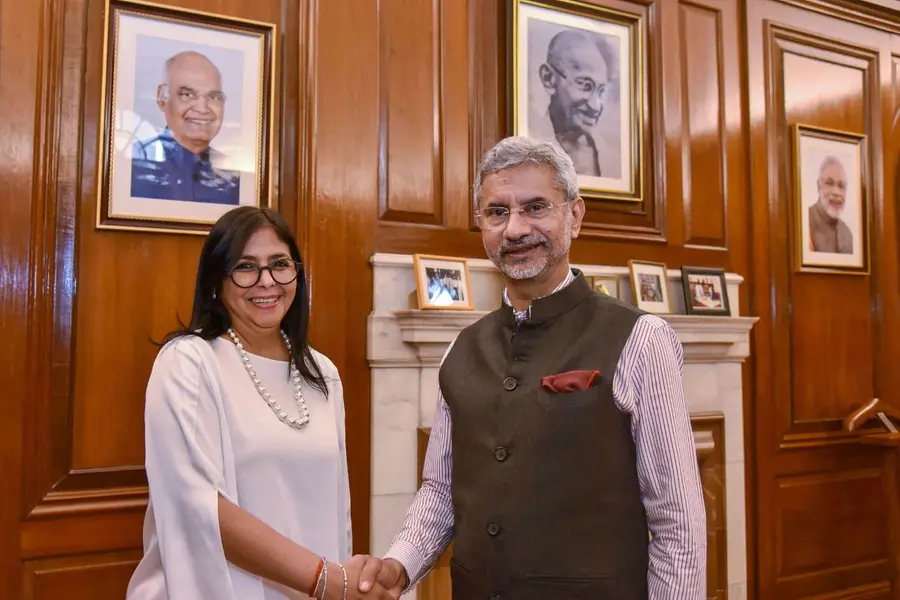
New Delhi: As the United States intensifies its military and political action against Venezuela, triggering the detention of President Nicolás Maduro, concerns are mounting in New Delhi over whether India could face significant fallout from the rapidly unfolding crisis in Latin America.
While the immediate theatre of conflict lies thousands of kilometres away, India’s exposure stems largely from energy security, diplomatic balancing, and potential economic ripple effects linked to global oil markets.
Also Read

Energy shock remains the biggest worry
Venezuela sits atop the world’s largest proven crude oil reserves. Although years of sanctions and mismanagement have already reduced its oil output, analysts warn that any escalation — including tighter sanctions, sabotage, or disruption of exports — could push global crude prices sharply higher.
India, which imports over 85 per cent of its crude oil needs, is particularly sensitive to price volatility. Even a modest spike in oil prices can strain the current account deficit, weaken the rupee, and fuel inflation — especially at a time when global supply chains remain fragile.
Indian refiners, including private players, had cautiously resumed limited engagement with Venezuelan crude after Washington issued selective waivers in recent years. Any rollback of those permissions would force Indian companies to seek alternative supplies, potentially at higher spot-market prices.
Diplomatic tightrope for New Delhi
The Venezuela crisis also presents a complex diplomatic challenge. India has historically maintained pragmatic ties with Caracas while simultaneously strengthening strategic relations with the United States.
At the same time, Venezuela enjoys backing from key Indian partners such as Russia and China, both of whom have criticised US interventionist policies. New Delhi is therefore walking a fine line — avoiding public endorsement of regime change while reiterating its long-standing position in favour of dialogue, sovereignty, and non-interference.
Foreign policy experts say India is likely to adopt a calibrated response, focusing on citizen safety and economic stability rather than overt political positioning at multilateral forums.
Safety of Indian nationals
The Ministry of External Affairs has already issued advisories urging Indian nationals in Venezuela to remain cautious and limit movement amid reports of unrest in Caracas and other regions. While the Indian community in Venezuela is relatively small, officials say contingency evacuation plans are in place should the security situation deteriorate further.
Economic spillover risks
Beyond oil, a prolonged crisis could add to global market uncertainty, impacting emerging economies like India through capital outflows and currency pressure. However, economists note that India is better positioned today than in past global shocks, thanks to diversified oil suppliers, healthy foreign exchange reserves, and strategic petroleum stockpiles.
“India will feel some heat, but it is unlikely to be disproportionately affected unless oil prices spiral out of control,” a senior energy analyst told the media.
Also read: Venezuela crisis: How US executed Maduro operation, and is the move legally justified?
The bottom line
India may not bear the direct brunt of the US-Venezuela confrontation, but the indirect consequences — especially through energy markets — are real. Much will depend on how long tensions persist and whether the crisis escalates into a broader geopolitical standoff.
For now, New Delhi’s strategy appears clear: safeguard economic interests, protect Indian citizens abroad, and maintain strategic autonomy amid yet another global flashpoint.
Published: 04 Jan 2026, 09:06 am IST
Related Topics
Disclaimer: Kindly avoid objectionable, derogatory, unlawful and lewd comments, while responding to reports. Such comments are punishable under cyber laws. Please keep away from personal attacks. The opinions expressed here are the personal opinions of readers and not that of Mathrubhumi.