
India has offered tariff cuts, wider market access and a proposed $500 billion of US purchases. As talks hit a plateau, the key question is what Washington wants in return — and whether India can afford to give more.
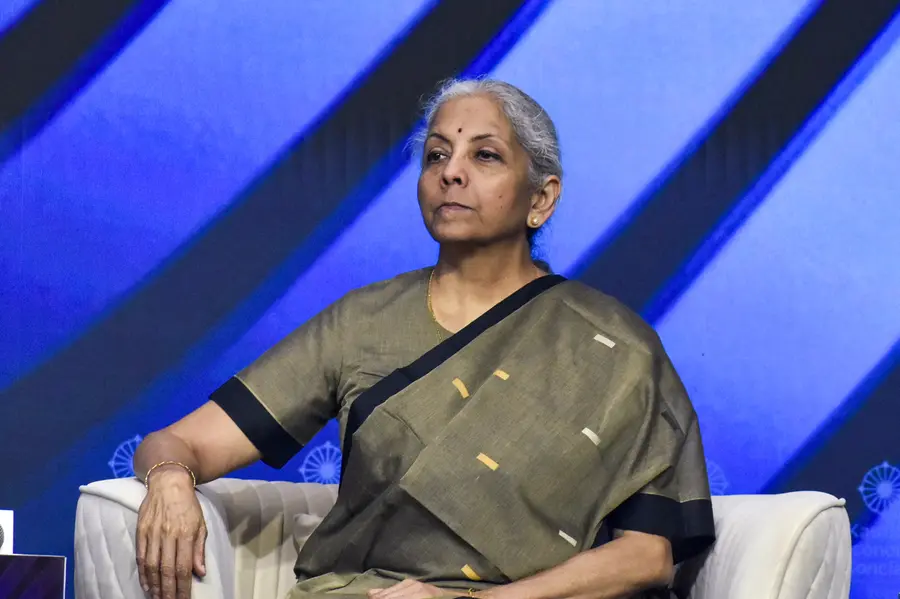
New Delhi: Finance Minister Nirmala Sitharaman on Monday said India-US trade negotiations had reached a “plateau”, with further give-and-take likely to be “very, very difficult”. Speaking at the Munich Leaders Meeting in New Delhi, Sitharaman said the agreement had been “hard and very rigorously negotiated”, but talks were still continuing.
Her remarks come as both sides remain divided over tariffs, market access and the US trade deficit with India. The talks have continued for months, but several major issues remain unresolved.
What has India offered?
Under the framework discussed in February, India agreed to reduce or remove tariffs on US industrial goods and a wide range of American agricultural products.
India also agreed to address some non-tariff barriers and work towards accepting US or international standards in areas including medical devices, technology and food products.
New Delhi has also indicated plans to buy around $500 billion worth of US energy, aircraft and parts, technology products, precious metals and coking coal over five years.
What is the US offering?
The US has proposed an 18% reciprocal tariff rate on specified Indian goods, along with possible tariff exemptions for some products, including generic medicines, gems and diamonds and aircraft parts.
However, Washington continues to seek greater access to India's market.
A major issue is the US trade deficit with India. In 2025, the US recorded a $58.4 billion goods trade deficit with India.
Washington is also seeking greater access for American agricultural products and changes related to non-tariff barriers, standards and digital trade.
For India, agriculture remains particularly sensitive because wider imports could affect domestic farmers and food security.
India is seeking better tariff treatment for its exports to the US compared with competing countries.
This is important because Indian exporters could lose market share if rival economies receive better access to the American market.
Why Sitharaman says there is little room left
India has already offered significant market access, but the US is still seeking changes in areas that are politically and economically sensitive for New Delhi.
That leaves the negotiations focused on what each side is willing to give up — and what it gets in return.
The two countries are expected to continue negotiations, but the final agreement will depend on resolving differences over tariffs, agriculture, market access and the trade imbalance.
The key question is no longer simply whether India will offer concessions, but how much more Washington wants and what India will receive in return.
Published: 05 Oct 2026, 07:16 pm IST
ABOUT THE AUTHOR

Disclaimer: Kindly avoid objectionable, derogatory, unlawful and lewd comments, while responding to reports. Such comments are punishable under cyber laws. Please keep away from personal attacks. The opinions expressed here are the personal opinions of readers and not that of Mathrubhumi.