
India has lodged a protest with Iran after Indian oil tankers were fired at near the Strait of Hormuz
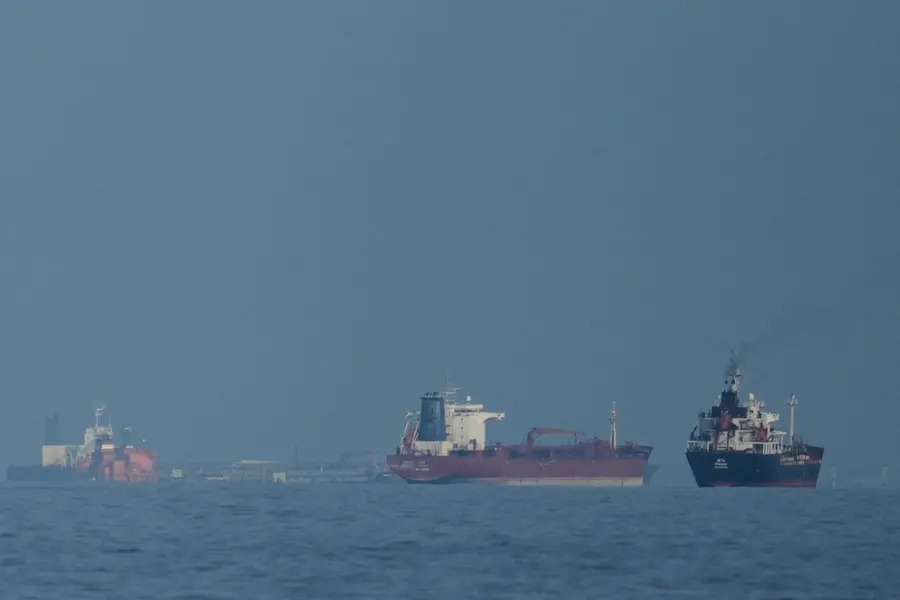
New Delhi: The Ministry of External Affairs on Saturday summoned Iran’s ambassador to India to lodge a formal protest after two Indian-flagged oil tankers reportedly came under fire from Iranian forces near the Strait of Hormuz, according to people familiar with the matter.
Iranian Ambassador Dr Mohammad Fathali was called for a meeting with officials at the ministry at around 6:30 pm. He met the joint secretary handling the Pakistan-Afghanistan-Iran desk.
Tankers reportedly fired upon
Sources indicated that two large Indian crude oil tankers carrying several million barrels of Iraqi oil were fired at by the Iranian Navy north of Oman. The development came shortly after reports suggested that two Indian vessels had been forced to turn back from the Strait of Hormuz.
The ships involved in the incident have been identified as Jag Arnav and Sanmar Herald. Indian authorities are currently trying to determine what led to the firing.
Indian Navy assessing situation
Officials said the Indian Navy is working to gather more details about the incident. At present, there are no Indian Navy vessels stationed in the Strait of Hormuz. However, India has deployed two destroyers, one frigate and one tanker in the Gulf of Oman.
Reports of wider maritime disruption
The UK Navy also reported that Iranian gunboats had fired at certain ships attempting to pass through the strait. According to a Reuters report citing shipping sources, some merchant vessels received radio communications from Iran’s navy stating that the strait had been closed again and that passage was not permitted.
Shipping activity and delays
Ship-tracking data indicated that five vessels carrying liquefied natural gas from Ras Laffan in Qatar were approaching the strait on Saturday morning.
The situation comes amid significant disruption, with hundreds of ships stranded in the Persian Gulf since the conflict between the United States, Israel and Iran began on February 28. Iran had closed the strait during this period, forcing Gulf oil and gas producers to scale back production sharply.
Temporary reopening followed by fresh restrictions
Iran had earlier announced a temporary reopening of the Strait of Hormuz on Friday, following a separate US-brokered 10-day ceasefire agreement between Israel and Lebanon reached on Thursday.
Maritime tracking data had shown a convoy of eight tankers moving through the strait, marking the first major movement of vessels since the conflict involving US and Israeli strikes on Iran began seven weeks ago.
However, within hours on Saturday, Iran’s armed forces command stated that transit through the strait had once again come under strict military control. The move was attributed to what it described as repeated US violations and acts of “piracy” carried out under the cover of a blockade.
Some vessels reported receiving VHF radio messages from Iran’s navy indicating that the Strait of Hormuz had been shut again.
A military spokesperson said Iran had initially allowed limited passage of oil tankers and commercial ships “in good faith” following negotiations. However, continued actions by the United States prompted Tehran to reimpose tighter restrictions on movement through the crucial maritime corridor.
With agency inputs
Published: 18 Apr 2026, 08:41 pm IST
Related Topics
Disclaimer: Kindly avoid objectionable, derogatory, unlawful and lewd comments, while responding to reports. Such comments are punishable under cyber laws. Please keep away from personal attacks. The opinions expressed here are the personal opinions of readers and not that of Mathrubhumi.
