
Earlier, two Indian-flagged LPG tankers successfully crossed the strait and are expected to reach Indian ports in the coming days
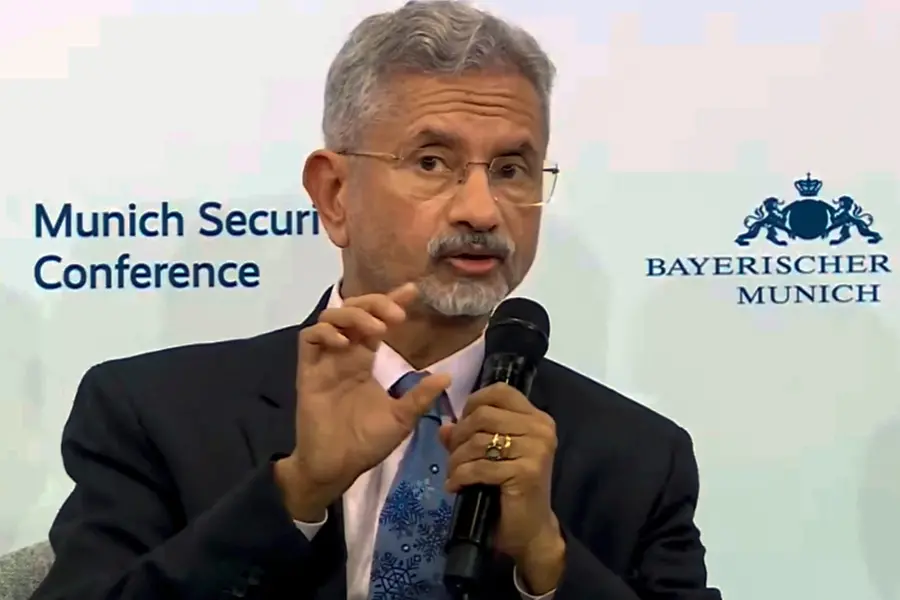
External Affairs Minister S. Jaishankar has clarified that there is no “blanket arrangement” with Iran permitting all Indian-flagged vessels to pass through the Strait of Hormuz, amid heightened tensions in the region.
His remarks come as ships from several countries remain stranded in the strategic waterway during the ongoing Iran–US–Israel conflict. Jaishankar said that while discussions with Tehran have yielded “some results”, the process remains ongoing and each vessel’s movement is being handled individually.
What is ‘blanket arrangement’?
A blanket arrangement, often referred to as a blanket order or blanket purchase agreement, is a long-term contract between a buyer and a supplier that allows repeated purchases of goods or services over a specified period, usually at pre-agreed prices and terms.
According to the minister, diplomatic engagement with Iran helped secure safe passage for two Indian-flagged LPG tankers through the key oil route. He stressed that there was no exchange or transactional arrangement involved, adding that India and Iran share a longstanding relationship and that New Delhi prefers dialogue and coordination to resolve such issues.
Jaishankar reiterated that there is no general agreement covering all Indian ships. He said talks are continuing, as more vessels remain in the region, and described the recent developments as positive but still part of an ongoing effort.
ALSO READ | Strait of Hormuz on front line of Middle East war after surge in ship attacks
Meanwhile, Iranian Foreign Minister Abbas Araghchi said the Strait of Hormuz remains open to most vessels and is closed only to ships belonging to the United States, Israel and their allies. He stated that other countries are free to use the route.
Earlier, two Indian-flagged LPG tankers successfully crossed the strait and are expected to reach Indian ports in the coming days. The transit comes amid concerns over energy security, as the Strait of Hormuz is a vital global shipping route handling a significant share of the world’s crude oil and gas supplies.
ALSO READ | Iran escalates war across Gulf, putting world’s oil lifeline at risk
The developments have prompted India to prioritise domestic fuel supply, while officials continue monitoring the situation closely.
Published: 16 Mar 2026, 01:44 pm IST
Related Topics
Disclaimer: Kindly avoid objectionable, derogatory, unlawful and lewd comments, while responding to reports. Such comments are punishable under cyber laws. Please keep away from personal attacks. The opinions expressed here are the personal opinions of readers and not that of Mathrubhumi.
