
India has reportedly refused to purchase Russian liquefied natural gas cargoes covered under US sanctions, even as Middle East tensions continue to pressure global energy supplies.
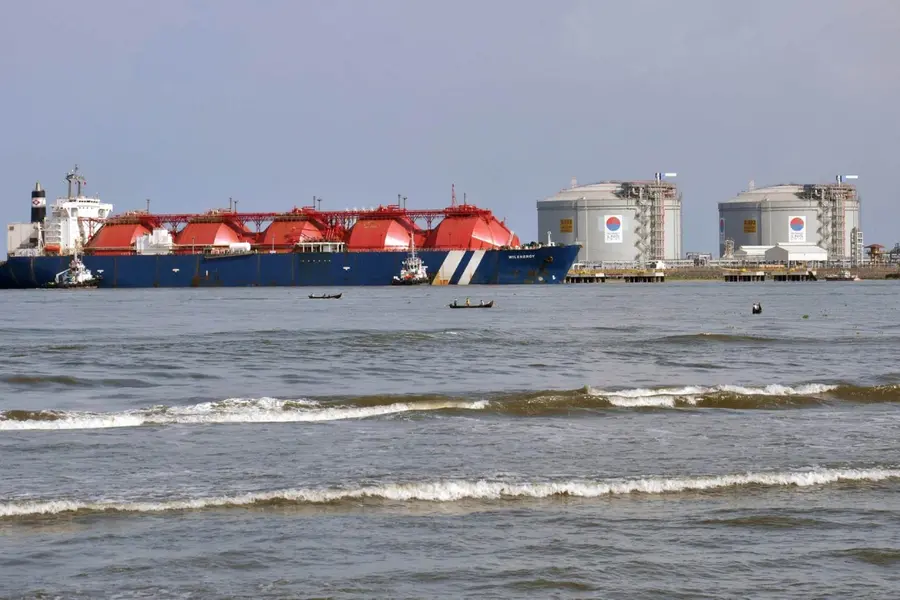
Mumabi: India has reportedly declined Russia’s proposal to sell liquefied natural gas (LNG) cargoes that are subject to US sanctions, according to sources cited by Reuters.
The decision comes despite growing concerns over energy supply disruptions caused by tensions in West Asia and uncertainty around shipping routes.
Also Read

Sources familiar with the matter said India is willing to continue discussions on authorised Russian LNG cargoes but does not want to risk purchases linked to sanctioned projects.
LNG tanker left in uncertainty
One LNG shipment from Russia’s sanctioned Portovaya plant in the Baltic Sea was reportedly expected to arrive at India’s Dahej LNG terminal in Gujarat.
However, after discussions failed to move forward, the vessel was left without a confirmed discharge destination and is currently reported to be near Singaporean waters.
According to the report, the tanker had indicated India as its destination in April, but Indian authorities were reluctant to proceed because the cargo was linked to sanctioned infrastructure.
India balancing energy needs and sanctions risk
India remains one of the biggest buyers of Russian crude oil, but LNG cargoes are viewed differently because they are harder to conceal and easier to track through satellite systems.
Sources reportedly said ship-to-ship transfers often help obscure crude oil origins, but LNG transport is more transparent and carries greater compliance risks under US sanctions.
This has forced India to carefully balance energy security with the possibility of attracting financial or diplomatic complications.
The report said Russia’s Deputy Energy Minister Pavel Sorokin discussed LNG supply issues during meetings with Indian officials, including Petroleum Minister Hardeep Singh Puri, during a visit on April 30.
Russia is also reportedly exploring long-term agreements with India involving LNG and fertiliser supplies such as potash, phosphorus and urea.
Further discussions between the two countries are expected in the coming months.
Middle East tensions increase energy pressure
India’s energy concerns have intensified since disruptions linked to the US-Iran conflict affected shipping through the Strait of Hormuz, one of the world’s most important energy transit routes.
Before the crisis, nearly half of India’s gas imports and a significant portion of its crude oil imports passed through the Strait of Hormuz.
The uncertainty has pushed India to reassess supply security while avoiding direct violations of international sanctions.
Sources said India remains interested in purchasing Russian LNG that is not covered by sanctions.
However, much of Russia’s authorised LNG supply is already committed to European buyers, limiting available options for India.
China reportedly continues to purchase both sanctioned and non-sanctioned Russian LNG cargoes.
Published: 12 May 2026, 09:09 am IST
Disclaimer: Kindly avoid objectionable, derogatory, unlawful and lewd comments, while responding to reports. Such comments are punishable under cyber laws. Please keep away from personal attacks. The opinions expressed here are the personal opinions of readers and not that of Mathrubhumi.