
A report claims Census officials have asked field staff to revisit households and verify entries after data on sanitation, cooking fuel, electricity and internet access reportedly differed from official records and expectations.
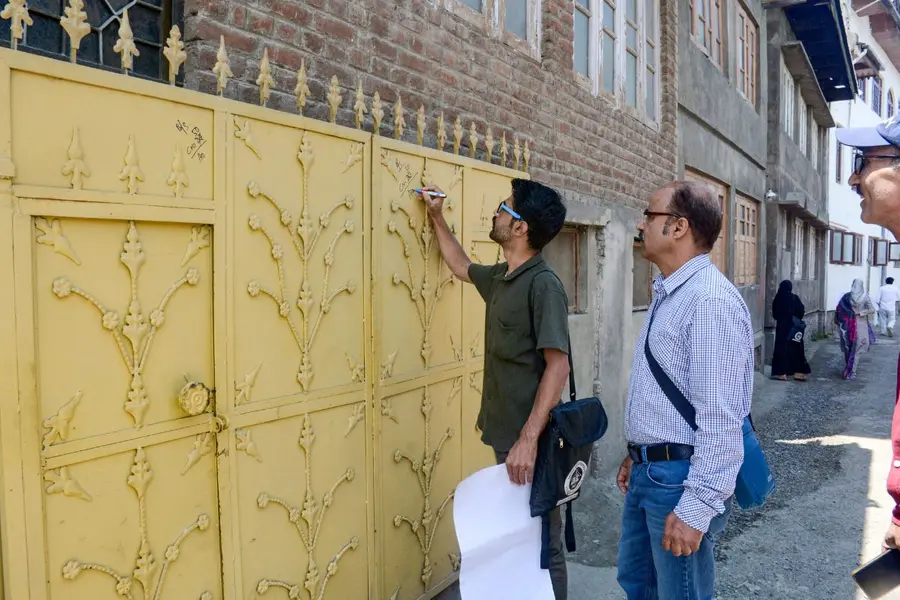
Fresh concerns have emerged from the ongoing Census exercise after field-level information collected by enumerators reportedly differed from official records on several indicators, including sanitation, cooking fuel, electricity and internet access.
According to a report by The Hindu, Census authorities in some states have instructed officials to revisit households and verify entries that appear inconsistent with expected trends or government data.
The report cites a June 2 communication from the Director of Census Operations in Rajasthan, which noted that a review of information gathered during fieldwork had revealed certain anomalies.
Local Census officials were reportedly directed to cross-check household-level entries through the Census Management and Monitoring System (CMMS) and ensure that records accurately reflected conditions on the ground.
Among the issues flagged were a high number of households marked as practising open defecation, the continued use of traditional fuels such as firewood, crop residue and dung cakes despite LPG availability, and the absence of entries showing treated tap water supply in many homes. Officials were also asked to review cases involving lack of electricity, internet access and drinking water source classifications.
A senior Census official quoted by The Hindu said the purpose of the exercise was to remove ambiguity and improve data quality, adding that discrepancies identified during field verification should be resolved through proper checks and clarification.
However, some enumerators told the newspaper that they felt pressure to alter entries.
One field worker from Rajasthan alleged that supervisors encouraged changes in housing and sanitation categories if alternative facilities, such as a neighbour’s toilet or a public facility, were available.
Another enumerator from Uttar Pradesh reportedly claimed officials discouraged entries that could reflect poorly on government welfare outcomes.
Field workers also highlighted the stark levels of deprivation they encountered during the survey.
Several residents reportedly sought assistance in accessing welfare schemes, including housing support, LPG connections, toilets, drinking water facilities and pensions.
The report further noted operational challenges faced by enumerators, many of whom are government schoolteachers and anganwadi workers.
Issues such as poor mobile connectivity, limited reimbursement for internet expenses and balancing Census duties with existing responsibilities have added to the workload.
The ongoing Houselisting Operations phase of the Census, which began on April 1, collects information on housing conditions, household amenities and assets.
Scheduled to continue until September 30, the exercise marks India's first fully digital Census, with nearly 32 lakh enumerators using a mobile application to record responses and upload data in real time.
The Census process is being monitored through the CMMS portal, allowing officials to track progress, identify gaps and oversee field operations across the country.
Published: 07 Jun 2026, 11:51 am IST
Related Topics
Disclaimer: Kindly avoid objectionable, derogatory, unlawful and lewd comments, while responding to reports. Such comments are punishable under cyber laws. Please keep away from personal attacks. The opinions expressed here are the personal opinions of readers and not that of Mathrubhumi.
