
Indian Railways fare hike sparks debate over fairness, timing, and impact on daily commuters.
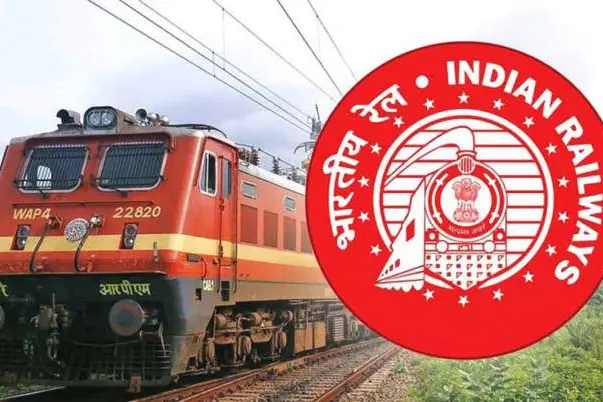
Indian Railways’ announcement of a passenger fare revision from December 26 has sparked a storm of reactions online. Netizens are questioning the fairness of the hike, the timing, and whether everyday travellers are being made to shoulder costs that could have been shared elsewhere.
Many social media users argue that the fare increase, though modest, puts pressure on ordinary passengers while benefiting industrial interests. Critics note that goods train fares have remained unchanged for years, suggesting that passengers are being made to compensate for rising operational costs.
Also Read

Some call the government’s use of the term “rationalisation” a soft way of presenting what is essentially a fare hike. Others highlight persistent problems with cleanliness, basic amenities, and frequent delays, questioning why fares are being raised when passenger experience has not improved.
A contrasting view on social media points out that this is the first fare increase in over a decade and that the actual extra cost is minimal.
Some users argue that subsidies in non-AC classes should be reduced, insisting passengers should pay the full fare.
How fares will change
From December 26, ordinary class travellers covering journeys beyond 215 km will pay an extra 1 paisa per km, while Mail and Express services—both non-AC and AC—will see an increase of 2 paise per km. For example, a 500 km non-AC journey will cost roughly Rs 10 more.
There will be no increase for trips shorter than 215 km. Suburban tickets and monthly season passes are also unaffected, keeping travel affordable for low and middle-income families.
Why the railways raised fares
The Ministry of Railways cites rising operational costs as the reason for the hike. Over the past decade, the network has expanded significantly, requiring more manpower and higher spending on safety.
Manpower costs have risen to Rs 1,15,000 crore, pension expenses to Rs 60,000 crore, and total operational costs to Rs 2,63,000 crore in 2024–25. To manage these costs, the railways plans to rely on increased cargo movement alongside a small rationalisation of passenger fares.
The ministry also highlights improved safety, higher operational efficiency during the festival season with over 12,000 trains mobilised, and India’s standing as the world’s second-largest cargo-carrying railway. Freight rates, it notes, have not been revised since 2018 despite rising input costs.
Published: 21 Dec 2025, 02:54 pm IST
Related Topics
Disclaimer: Kindly avoid objectionable, derogatory, unlawful and lewd comments, while responding to reports. Such comments are punishable under cyber laws. Please keep away from personal attacks. The opinions expressed here are the personal opinions of readers and not that of Mathrubhumi.