

Not all symptoms of a stroke occur in everyone, and sometimes symptoms can disappear and return
Mangalore: In 2023, neurologist M V Padma Srivastava, speaking at an event, had said that stroke is the second most common cause of death in India, with the country recording one stroke death every four minutes. She had stated India bore the maximum burden of stroke with 68.6 per cent incidence of stroke, 70.9 per cent stroke deaths, and 77.7 per cent disability adjusted life years (DALYs) lost.
As per a recent study by Scientific Reports, the overall stroke death rate in India increased from 44 per 100,000 population in 1990 to 55 in 2021. For the 15–49 age group, the death rate remained relatively stable, fluctuating slightly around 7–9 throughout the period.
In contrast, the 50–69 age group showed a significant decrease in death rates, dropping from 207 in 1990 to 152 in 2021. Similarly, the 70+ age group experienced a decline in death rates from 806 in 1990 to 674 in 2021. The overall increase in the death rate suggests a potential rise in risk factors or an aging population contributing to higher mortality.
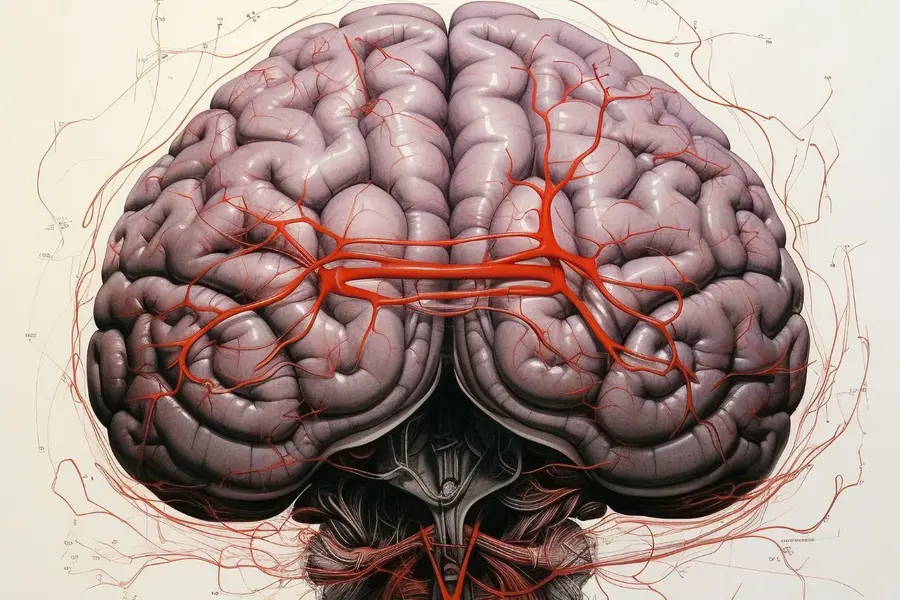
However, recognising the signs of a stroke early can save lives and reduce long-term disability. Elaborating on this, Dr Shivananda Pai, Interventional Neurologist at KMC Hospital, Dr BR Ambedkar Circle, Mangalore, said that a stroke, also known as a “brain attack,” causes brain damage when blood flow to the brain is interrupted. “A temporary blockage is called a transient ischemic attack (TIA) or mini-stroke. Despite this name, such events may resolve in moments or minutes, but they are warning signs that require immediate attention to avert a full-blown stroke,” Pai added.
Warning signs of stroke (Inputs by Dr Shivananda Pai): Not all symptoms of a stroke occur in everyone, and sometimes symptoms can disappear and return. Prompt treatment — within an hour if possible — is essential. Get emergency medical help if you have any of these signs of an allergic reaction:
- Sudden numbness or weakness of the face, arm, or leg, especially on one side of the body
- Sudden confusion or troubles with reading and speech perception
- Sudden difficulty walking, dizziness, loss of balance, or coordination
- Sudden severe headache of unknown cause, blurred or double vision, drowsiness, or nausea/vomiting
How to evade a stroke? Prevention is the best medicine — living a healthy lifestyle. This would include exercise on a regular basis, eating a well-balanced diet that is low in salt and low in cholesterol, not smoking, and achieving a healthy body weight and body mass index (BMI). These are important ways to reduce the risk of stroke and boost overall vascular health.
Stroke is among the paramount causes of mortality and morbidity across the globe, and approximately one out of every four adults is projected to experience a stroke during their lifespan, stated Dr Rohit Pai, Consultant Neurology, KMC Hospital and Dr BR Ambedkar Circle, Mangalore. “Stroke strikes about 12 million people each year for the first time, resulting in around 6.5 million deaths from this disease. With increasing longevity, the incidence of stroke, particularly in elderly populations, continues to increase,” he added.
Types and Burden: (Inputs by Dr Rohit Pai)
Of the reported stroke cases, 85 per cent are caused by ischemic strokes, and hemorrhagic strokes, while less common, result in more deaths and long-term disability. In low- and middle-income countries, 86 per cent of stroke deaths are recorded, which has a serious societal impact and puts an increased burden on families with no means to deal with these events. From 1990 to 2019, the rate of stroke increased by 70 percent, and the number of deaths associated with it rose by 43 percent.
Risk Factors: Although there is a genetic component, genetics causes only about 10 per cent of strokes, with the rest related to factors that can be controlled, such as high blood pressure, not properly treating diabetes, smoking, being overweight, not eating well, drinking too much, and lack of exercise. A heart rhythm disorder known as atrial fibrillation greatly increases stroke risk, but if caught early can be managed with anticoagulation.
Call for Action: District-level rehabilitation centers are required, along with public health awareness programs encouraging physical activity, dietary health, and tobacco/alcohol cessation to decrease the burden of stroke and improve the recovery status.
Published: 25 Jun 2025, 03:23 pm IST
ABOUT THE AUTHOR
Related Topics
Disclaimer: Kindly avoid objectionable, derogatory, unlawful and lewd comments, while responding to reports. Such comments are punishable under cyber laws. Please keep away from personal attacks. The opinions expressed here are the personal opinions of readers and not that of Mathrubhumi.