
While HAL has imposed contractual penalties on GE, production remains bottlenecked.
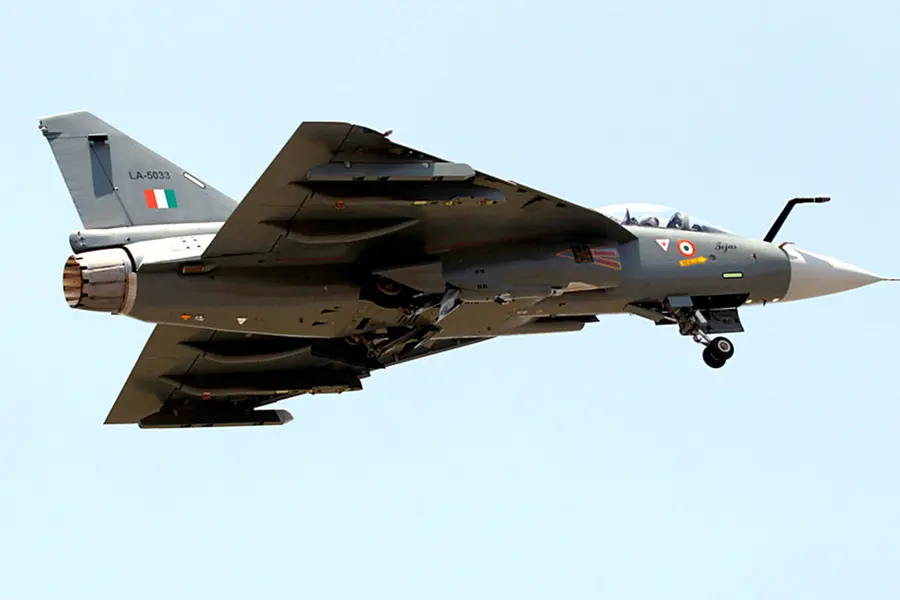
New Delhi: The ongoing conflict in West Asia is now impacting India’s defence production, with delays in engine supplies from General Electric slowing the rollout of the HAL Tejas Mk1A fighter jets.
The Tejas Mk1A programme, led by Hindustan Aeronautics Limited (HAL), has been facing delays due to the late delivery of F404-IN20 engines, critical components required for the aircraft. These delays have pushed back delivery timelines to the Indian Air Force (IAF), which is already dealing with a shortage of fighter squadrons.
According to reports, GE has handed over the sixth engine under the 2021 contract, but it has not yet reached India. The handover is believed to have taken place in the United States, and the engine is expected to be transported to India via freight. However, there is no confirmed timeline for its arrival due to the ongoing conflict situation.
HAL had originally planned to receive 12 engines by the end of the previous financial year. So far, only six have been delivered, including one still in transit, significantly affecting production schedules.
Defence sources have indicated that the delays are partly linked to the ongoing US–Israel–Iran conflict, which has disrupted global logistics and supply chains. The movement of critical aerospace components has been affected, leading to uncertainty in delivery timelines.
This situation highlights how geopolitical tensions can directly impact defence manufacturing programmes, even when they are largely indigenous.
The delay in engine supply has slowed the final assembly and delivery of Tejas Mk1A aircraft, which are crucial for strengthening the IAF’s combat capabilities. The Air Force is currently operating below its sanctioned squadron strength, making the timely induction of new fighter jets critical. Several aircraft are reportedly ready at HAL but are awaiting engines for final integration and delivery.
To address the delays, HAL has invoked provisions under the contract to impose penalties on GE for late deliveries. However, while this provides financial accountability, it does not immediately resolve the supply bottleneck.
Despite current setbacks, India has moved ahead with long-term planning. A major deal for 113 engines has already been signed with GE, with deliveries scheduled between 2027 and 2032.
The situation highlights a key challenge for India’s defence sector of continued dependence on foreign suppliers for critical components such as aircraft engines.
While the Tejas programme represents a major step in indigenous aircraft development, delays in external supply chains can still affect timelines and operational readiness. The current crisis highlights the need for stronger supply chain resilience and long-term development of domestic engine capabilities.
Published: 02 Apr 2026, 09:04 pm IST
ABOUT THE AUTHOR

Related Topics
Disclaimer: Kindly avoid objectionable, derogatory, unlawful and lewd comments, while responding to reports. Such comments are punishable under cyber laws. Please keep away from personal attacks. The opinions expressed here are the personal opinions of readers and not that of Mathrubhumi.