
Gujarat has launched India’s first genome sequencing project exclusively for tribal communities, aiming to combat inherited diseases with precision medicine
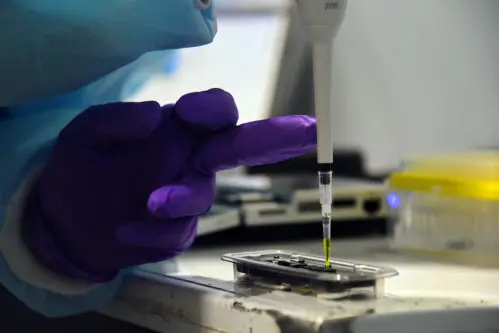
In a landmark step towards improving tribal healthcare, Gujarat has become the first Indian state to launch a genome sequencing project focused solely on tribal populations.
The initiative — part of the 2025–26 State Budget — will sequence the genomes of 2,000 individuals across 17 tribal districts, aiming to identify and manage inherited disorders.
Announced at a high-level consultation chaired by State Tribal Development Minister Kuber Dindor, the project is titled “Creation of Reference Genome Database for Tribal Population in Gujarat”. It is being spearheaded by the Gujarat Biotechnology Research Centre (GBRC).
What disorders will the genome project help detect?
The project will focus on early diagnosis and treatment of sickle cell anaemia, thalassaemia, and hereditary cancers—all disproportionately affecting tribal populations. Minister Dindor called it a “milestone” initiative to merge modern science with traditional communities for long-term health benefits.
What data will be collected?
The genome sequencing will involve state-of-the-art sample collection, processing, and data interpretation systems. Genetic markers for natural immunity and other traits will be catalogued, enabling personalised healthcare interventions in the future.
Why is this significant?
Experts at the launch emphasised that the initiative goes beyond academic research. It aims to empower tribal communities with health insights and technology. The collected genetic data could also help develop national strategies for precision medicine, especially in underserved regions.
This pioneering effort by Gujarat could set a precedent for other Indian states seeking to integrate biotechnology into public health—especially for vulnerable and marginalised communities.
Gujarat has taken a landmark step in public health and scientific innovation by launching India's first genome sequencing project dedicated to tribal communities. The initiative aims to sequence the genomes of 2,000 individuals across 17 districts to identify genetic disorders such as sickle cell anaemia, thalassaemia, and hereditary cancers. Backed by the state government and implemented by the Gujarat Biotechnology Research Centre (GBRC), the project is expected to pave the way for precision medicine, early diagnosis, and targeted treatments specifically tailored to the health needs of tribal populations.
Published: 18 Jul 2025, 12:02 pm IST
Related Topics
Disclaimer: Kindly avoid objectionable, derogatory, unlawful and lewd comments, while responding to reports. Such comments are punishable under cyber laws. Please keep away from personal attacks. The opinions expressed here are the personal opinions of readers and not that of Mathrubhumi.
