
Experts suggest that even if the JMM does not win seats, its presence might have split the votes that usually go to the Congress.
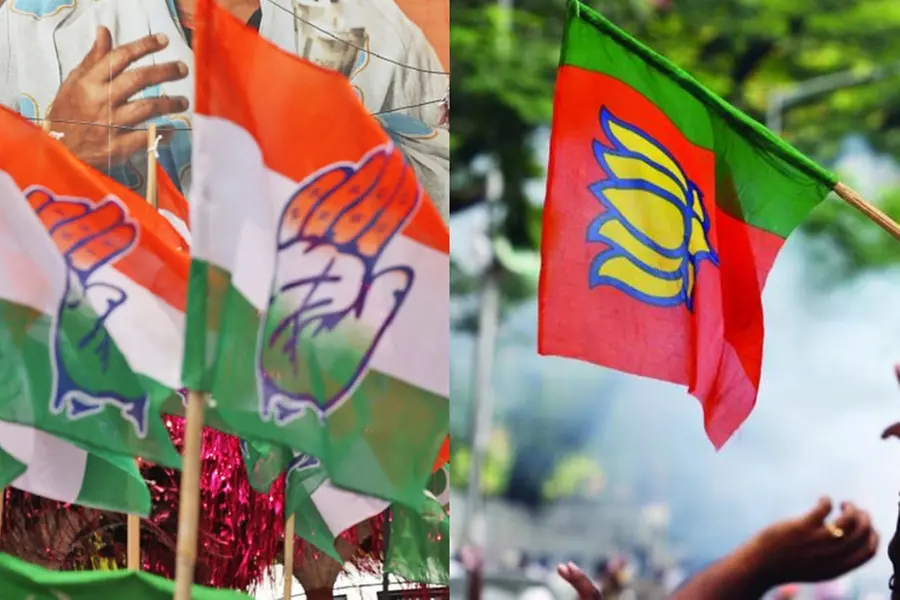
Assam has finished its high-stakes Assembly elections with a massive 85.6 per cent voter turnout. This record participation has sparked a fierce debate between the ruling BJP and the Congress-led alliance, with both sides claiming they have the mandate to lead.
BJP foresees a landslide win
Chief Minister Himanta Biswa Sarma is projecting a dominant victory. He estimates that his alliance will secure at least 90 seats and could even reach 100. Sarma interprets the high voting numbers as a sign of "Assamese assertiveness". He suggests that local communities voted in huge numbers because they realised they must take elections seriously to protect their identity.
The BJP also highlights a surge in support from 72 lakh young voters and women. Party leaders claim these groups took part in the "festival of democracy" with excitement, which they believe will lead to a historic mandate. Sarma further dismissed his rivals, suggesting the public rejected the leadership of the various "Gogois" in the opposition.
Congress banks on anti-incumbency
On the other side, Gaurav Gogoi is confident that a "new Congress" has emerged to take power. He argues that the high turnout reflects deep frustration with the current government. According to Gogoi, the state has failed to provide jobs for the youth or improve basic services like healthcare and education.
By forming a broad alliance with regional groups and excluding the AIUDF, Gogoi believes the Congress has tapped into a strong wave of public anger. However, he has also raised concerns about the fairness of the process. He pointed to issues with official neutrality and called on party workers to keep a strict watch on the voting machines until the results are declared on May 4.
The battle for tribal votes
A major challenge for the Congress was the unexpected entry of the Jharkhand Mukti Morcha (JMM). While the Congress fought against both "Hemants"—Himanta Biswa Sarma and Hemant Soren—the JMM targeted the influential Tea Tribe communities. Experts suggest that even if the JMM does not win seats, its presence might have split the votes that usually go to the Congress. Whether the record turnout signals a demand for change or a vote for stability is the final question for the state.
Published: 11 Apr 2026, 01:41 pm IST
Related Topics
Subscribe to our Newsletter
Disclaimer: Kindly avoid objectionable, derogatory, unlawful and lewd comments, while responding to reports. Such comments are punishable under cyber laws. Please keep away from personal attacks. The opinions expressed here are the personal opinions of readers and not that of Mathrubhumi.
