
Dussehra 2025, also known as Vijayadashami, will be celebrated on October 2. The festival marks Lord Rama’s victory over Ravana and Goddess Durga’s triumph over Mahishasura, symbolising the eternal win of good over evil.
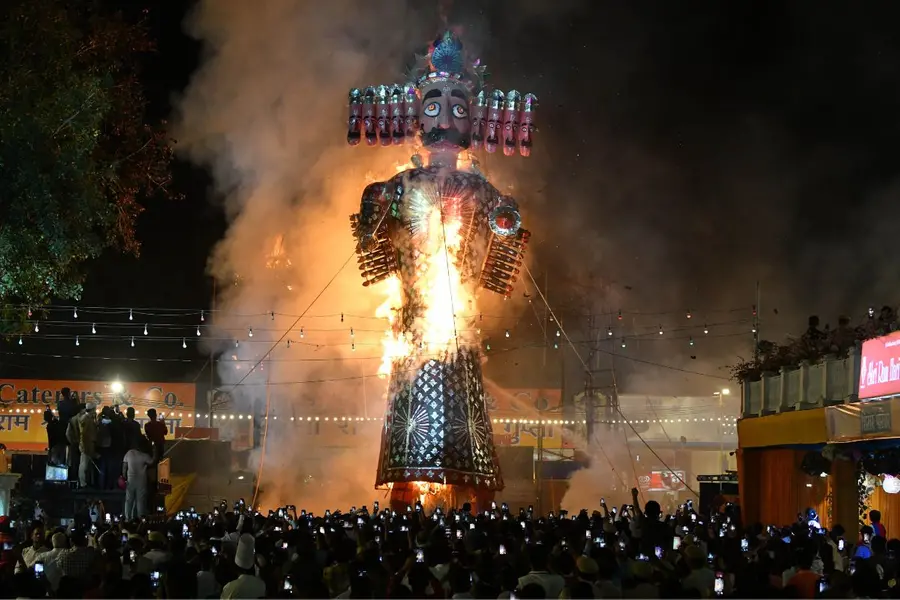
Dussehra, also known as Vijayadashami, is one of the most celebrated Hindu festivals, symbolising the eternal triumph of good over evil.
Rooted in the epic Ramayana, it marks Lord Rama’s victory over the ten-headed demon king Ravana after the latter abducted Goddess Sita.
The term Dussehra comes from Sanskrit, meaning the "annihilation of ten heads," signifying the destruction of evil in all its forms.
This year, Dussehra will be observed on Thursday, October 2, 2025, coinciding with the conclusion of the nine-day Navratri festival, which celebrates Goddess Durga’s victory over the buffalo demon Mahishasura.
Dussehra 2025: Date and Time
- Dussehra Date: October 2, 2025 (Thursday)
- Dashami Tithi Begins: 7:01 PM, October 1, 2025
- Dashami Tithi Ends: 7:10 PM, October 2, 2025
- Shravana Nakshatra Begins: 9:13 AM, October 2, 2025
- Shravana Nakshatra Ends: 9:34 AM, October 3, 2025
Shubh Muhurat (Auspicious Timings)
- Vijay Muhurat: 2:12 PM – 3:00 PM
- Aparahna Puja: 1:24 PM – 3:48 PM
- Significance and Rituals of Dussehra
Dussehra is celebrated across India with diverse customs but a shared theme of victory, renewal, and devotion.
- Worship of Goddess Aparajita: Before battling Ravana, Lord Rama prayed to Goddess Aparajita, revered for her invincibility and divine protection. This tradition continues in Dussehra rituals.
- Shammi Tree Worship: Also known as Shami, Banni, or Jammi Puja in southern India, devotees worship the tree as a symbol of goodwill and strength, recalling how Arjuna once hid his weapons within it.
Regional Celebrations:
- North & West India: Effigies of Ravana, Meghnada, and Kumbhakarna are burnt amidst grand processions.
- Kolkata: Dussehra coincides with Durga Puja, marking Goddess Durga’s return to Mount Kailash.
- South India: Vijayadashami concludes the Golu festival and is associated with prosperity and new beginnings.
Additionally, Vijayadashami is linked with the Mahabharata, as it commemorates the Pandavas’ return from exile and their victory over the Kauravas.
It is also regarded as an auspicious time to begin learning arts, education, or new ventures, making it not just a religious festival but also a celebration of progress and renewal.
Published: 29 Sept 2025, 02:30 pm IST
Related Topics
Disclaimer: Kindly avoid objectionable, derogatory, unlawful and lewd comments, while responding to reports. Such comments are punishable under cyber laws. Please keep away from personal attacks. The opinions expressed here are the personal opinions of readers and not that of Mathrubhumi.
